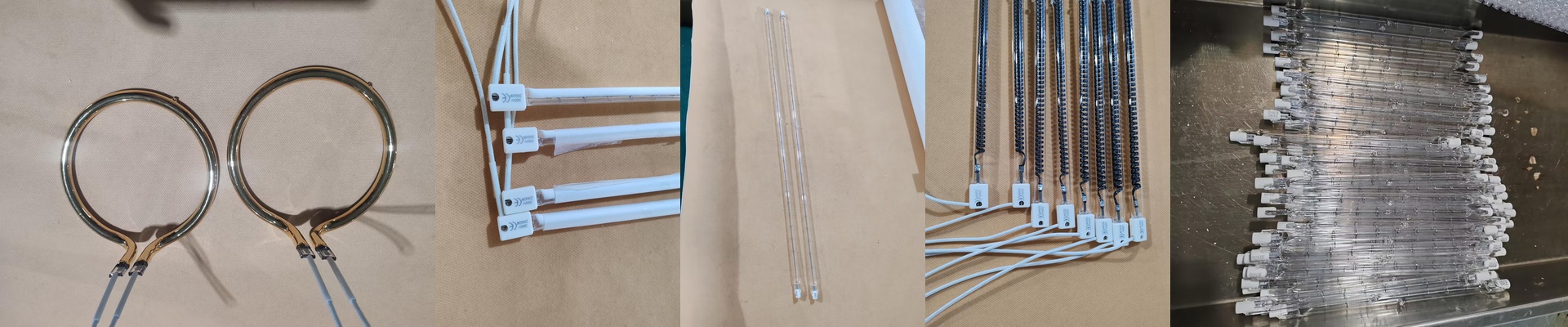
Introduction
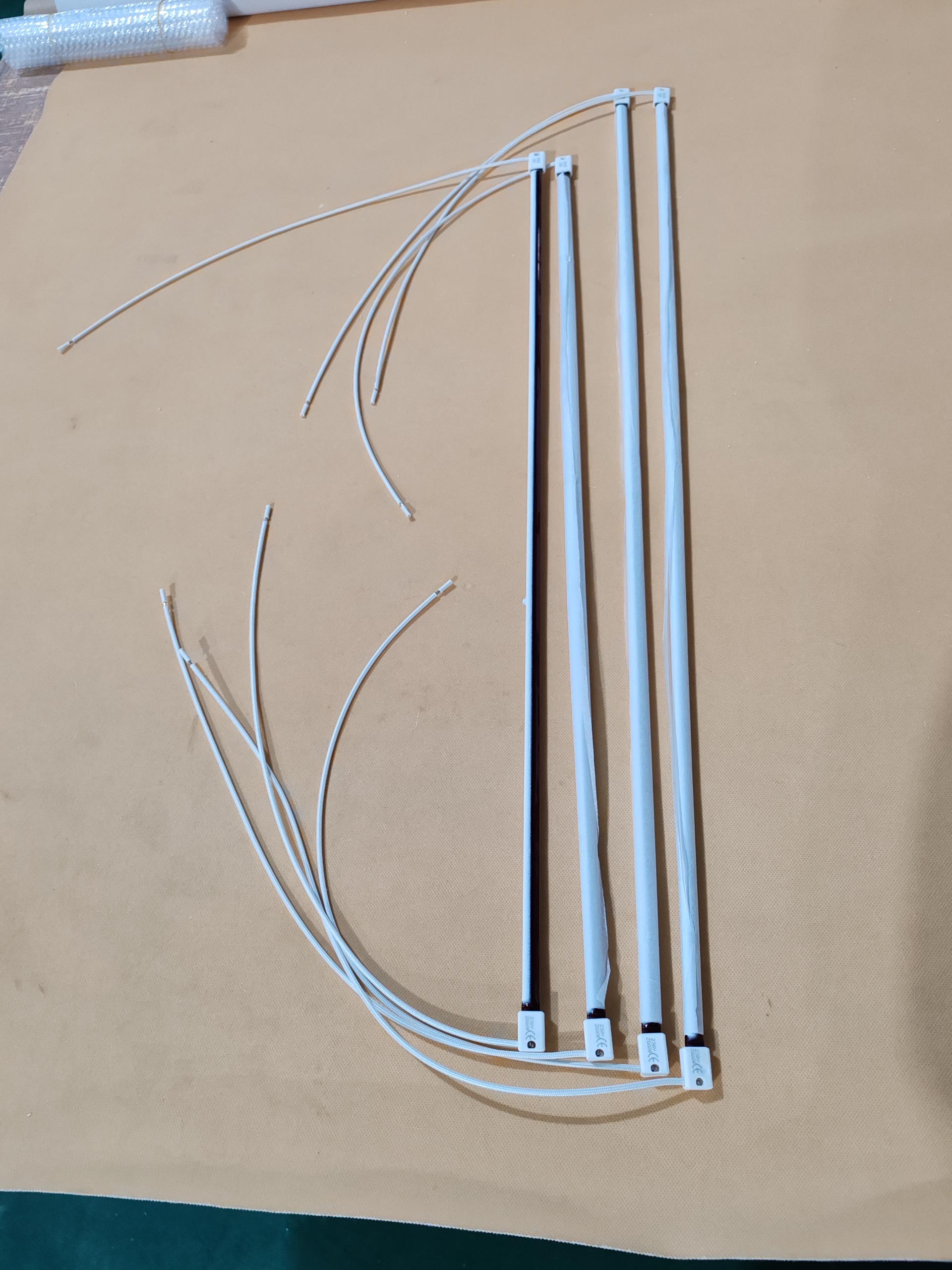
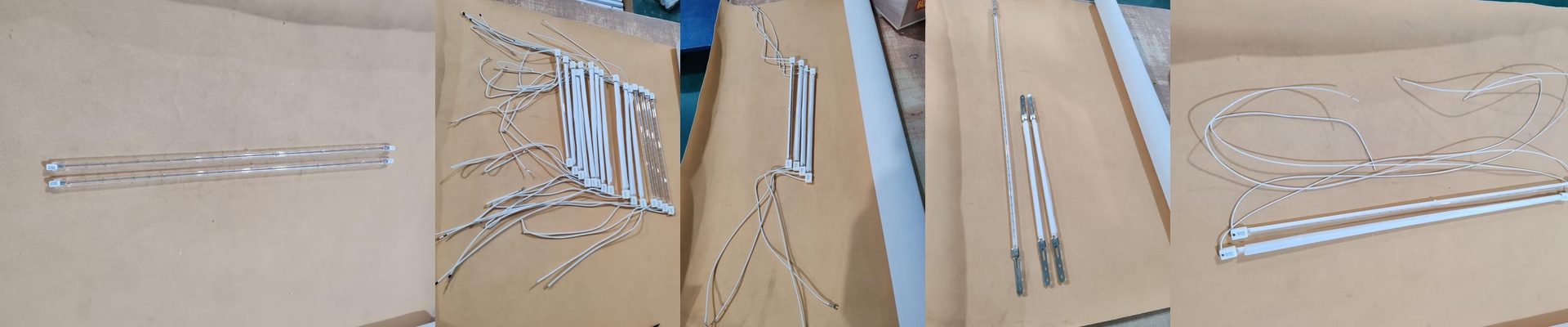
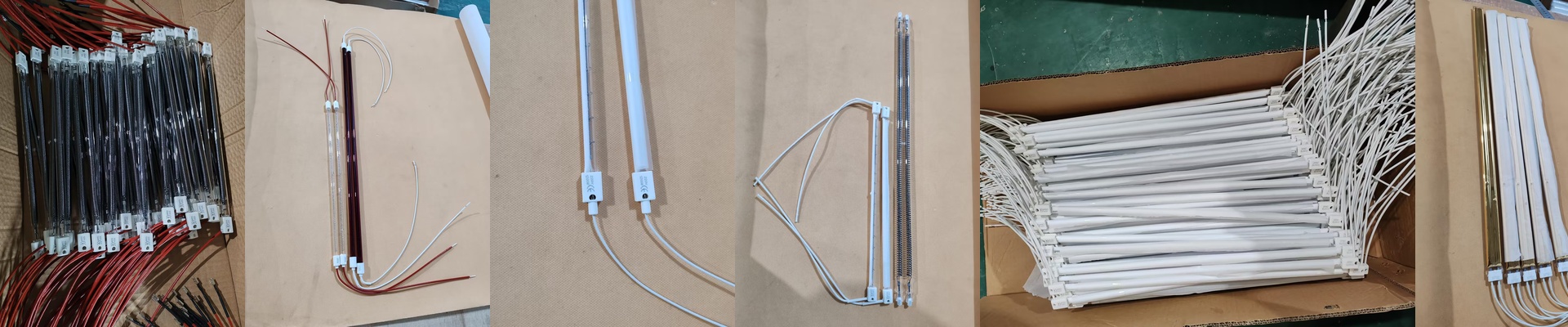
When we talk about a 500W halogen lamp as an LED replacement, we are targeting a specific industrial requirement: delivering high-intensity, point-of-use heat where electric resistance heating won’t cut it. This isn’t just about swapping a bulb. We are engineering a direct-fit thermal source for machines that demand fast heat-up times and precise temperature control. If you need to replace a legacy halogen unit in a PET blowing machine, a thermoformer, or a sealing station, you need to understand the electrical and physical constraints of the original design to spec the right component.
Technical Deep-Dive: Power, Voltage, and Dimensions
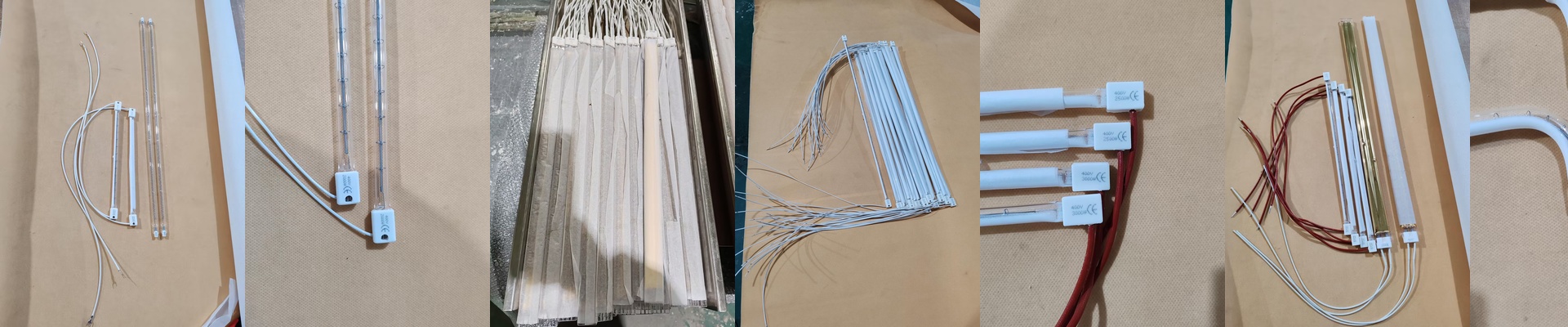
The core specification here is 500W. This wattage determines the thermal output. In a halogen lamp, the filament is designed to run hot—typically exceeding 2,500°C—to generate intense infrared radiation. This is different from a standard heating element; the heat is radiative, meaning it travels in straight lines and heats surfaces directly without needing to heat the air first. Voltage is a critical variable. Many industrial halogen lamps run on higher voltages (often 230V or 400V) to reduce current draw for a given power. Lower current means smaller wiring and lower voltage drop over distance. If you are replacing a 500W unit, you must match the voltage exactly. Using the wrong voltage will either underpower the lamp (too dim, too cool) or burn it out immediately. The physical dimensions—typically around 300mm in length with a specific tube diameter—ensure the lamp fits the reflector and focal point of the equipment. If the lamp is too long or too short, the heat profile shifts, and your process loses consistency.
Material and Design: Quartz, Coating, and R7s
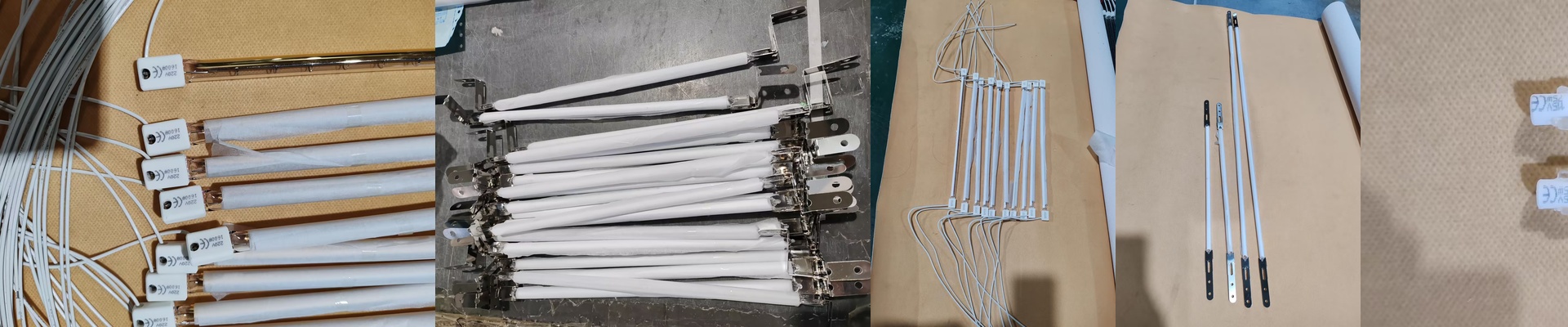
Halogen lamps are built around a quartz envelope, not standard glass. Quartz withstands the extreme temperatures required for the halogen cycle and handles thermal shock better. The halogen cycle itself is what extends the life of the lamp. It redeposits evaporated tungsten back onto the filament, preventing the blackening of the bulb that plagues standard incandescent lamps. Many of these lamps feature a reflective coating on the quartz, often a dichroic layer. This coating reflects infrared radiation back onto the filament, keeping the filament hotter while allowing visible light to pass through. The result is more usable heat delivered to the target. The connector type is non-negotiable. The R7s base is a double-ended, linear pin connector that locks the lamp in place and handles the high current. It is a robust, simple interface that holds the lamp firmly in the socket, ensuring good contact and preventing movement during machine vibration. When we spec a replacement, we ensure the R7s footprint matches the existing socket.
Application and Benefits
In applications like PET blowing or plastic welding, you need heat on demand, fast. Halogen lamps heat up in seconds, far faster than resistance heaters. They deliver a concentrated heat pattern, which is ideal for heating specific zones on a mold or a preform. Using a 500W halogen lamp as a direct replacement for an LED-based thermal solution (or upgrading from an older halogen) offers a straightforward footprint. It is a drop-in component that requires no rewiring of the fixture. The lamp provides high heat density in a small footprint, which simplifies the mechanical design of the machine. However, there is a trade-off. The 500W power density demands adequate cooling for the surrounding components. The lamp runs hot, and the socket and wiring must be rated for continuous high-temperature operation. Ensure your fixture has proper airflow or thermal shielding to protect nearby electronics and sensors. We always tell our customers: check the thermal budget of your machine before you spec the wattage. This configuration is a practical, reliable solution for engineers who need a proven, high-output heat source that fits standard fixtures. It is engineered to deliver consistent performance in harsh industrial environments. **Note:**Always verify the exact voltage, length, and pin type (R7s) before ordering. Matching these specs ensures a reliable installation and prevents premature failure.