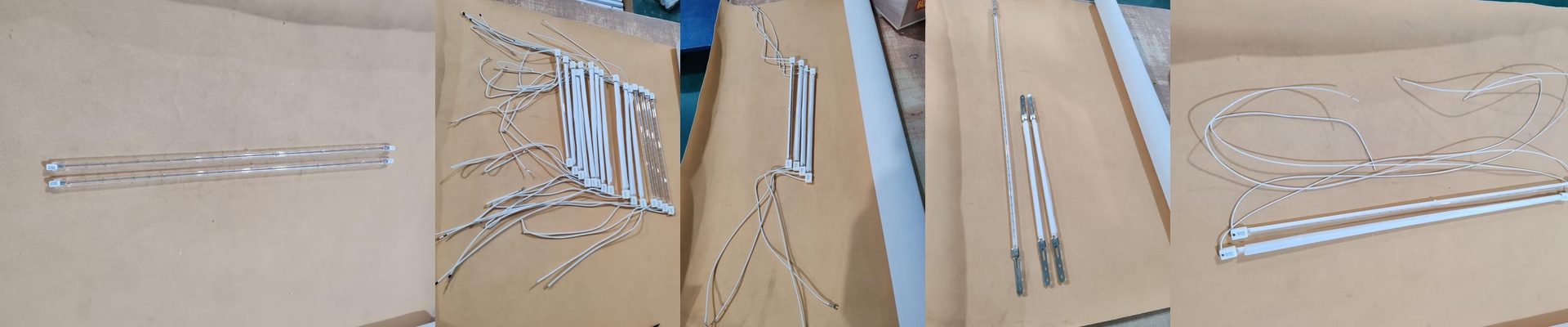
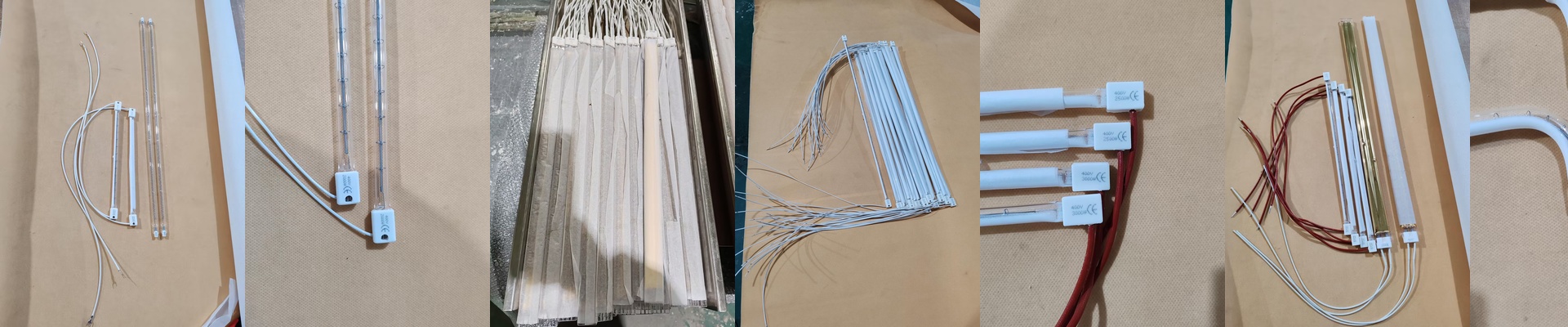
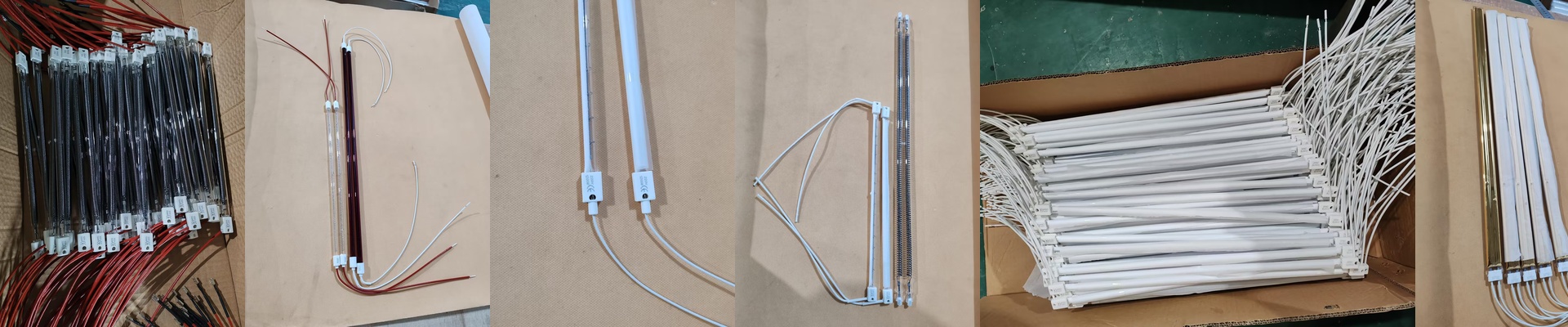
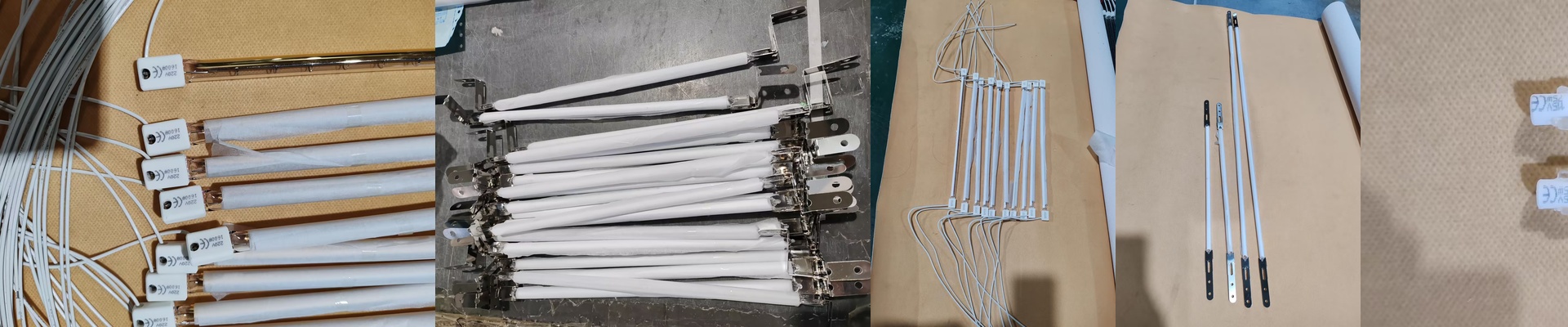
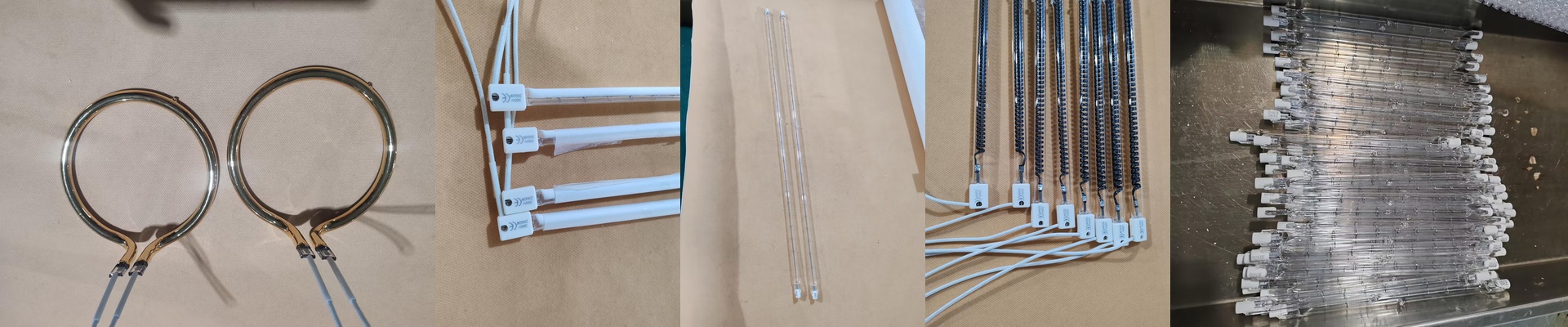
The 120V 300W Halogen Lamp: Heat that Just Works, Right Where You Need It
We built this 120V 300W halogen lamp for one reason: to give you a heat source that’s dead simple to use in industrial setups. It’s for engineers who want a heater that’s compact, easy to control, and—most importantly—drops right into what you already have. No major rewiring. No headaches.
Power, Voltage, and Output: Straight to the Point
It runs on 120V, so you can wire it straight into the standard 120V circuits already in your facility. The 300W rating gives you predictable heat, and that matters when you need focused energy in a tight spot. The whole point is high power density. It heats up fast, without forcing you to build a giant assembly just to get the job done. But here’s the part you can’t ignore: the element runs hot. So you absolutely have to plan for thermal management around the lamp and fixture. Clearance and heat shielding aren’t optional extras—they’re part of making this work safely.
Material & Design: Why Halogen, and Why the Connections Matter
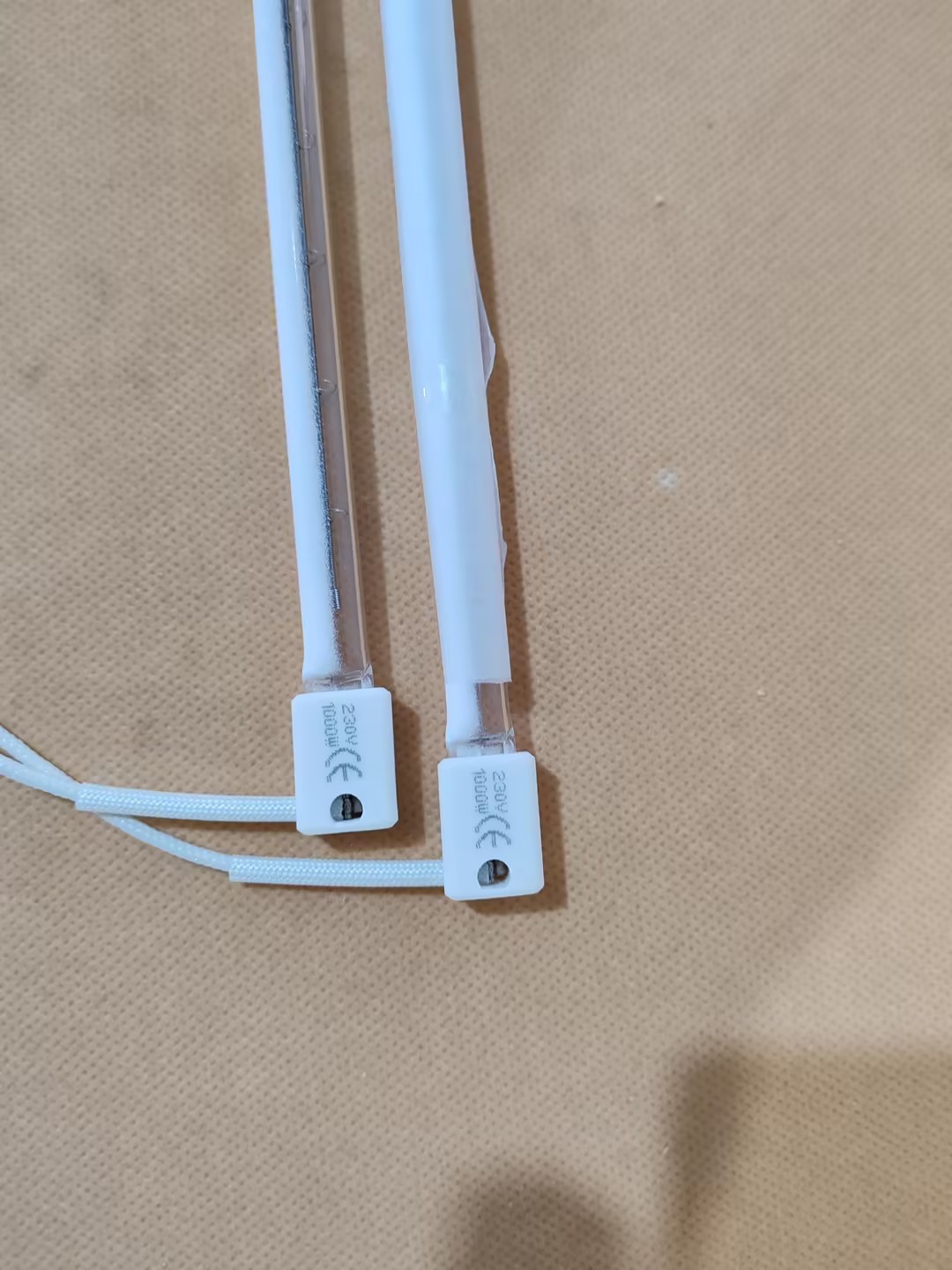
Halogen isn’t chosen for brightness. It’s chosen because it keeps the quartz envelope stable when things get seriously hot, and it holds steady performance over the life of the lamp. And quartz? It handles thermal shock way better than regular glass. That means repeated on/off cycles won’t leave you dealing with cracks. The terminations are just as practical. We spec it with connectors that match common industrial sockets, so installation is basically plug-and-play. You get a solid electrical connection and a mechanical hold that can take the vibration of a busy plant floor.
Application & Benefits: Fast Heat, Small Space, Less Hassle
This configuration shines when you need heat fast—and you need it in a confined area. Think small ovens, sealing bars, or testing fixtures where you’re heating a specific spot, not the whole room. The lamp’s small diameter and focused heat profile let you put the energy exactly where it counts. And the 120V 300W combination keeps integration simple, so your controls don’t have to get complicated. What does that feel like on the floor? Less redesign time. Faster commissioning. And when maintenance comes up, you can swap the heater quickly and get back to work.