Getting to the Heart of High-Density Heat
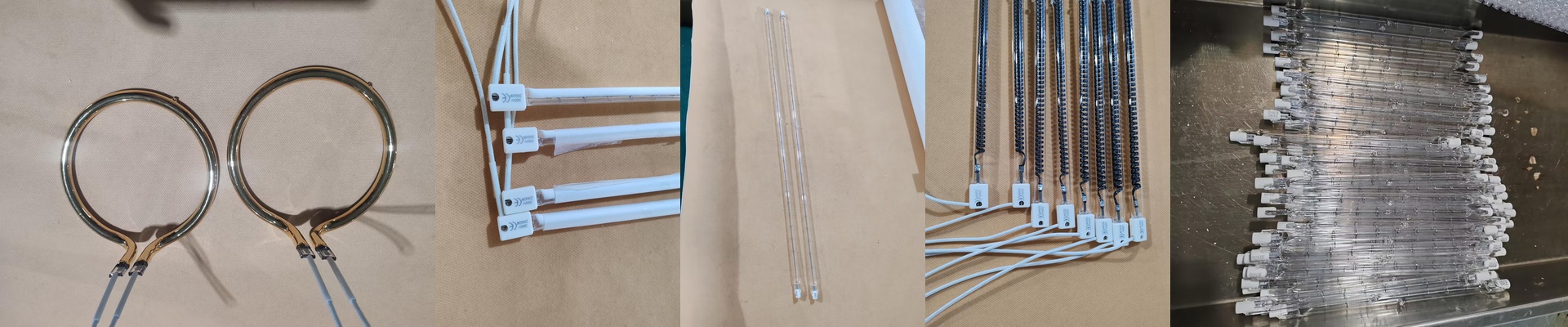
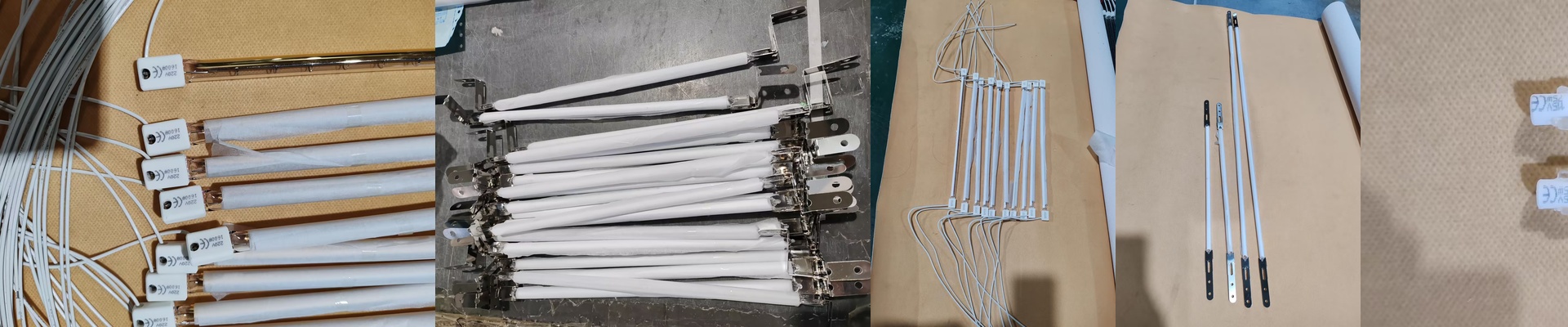
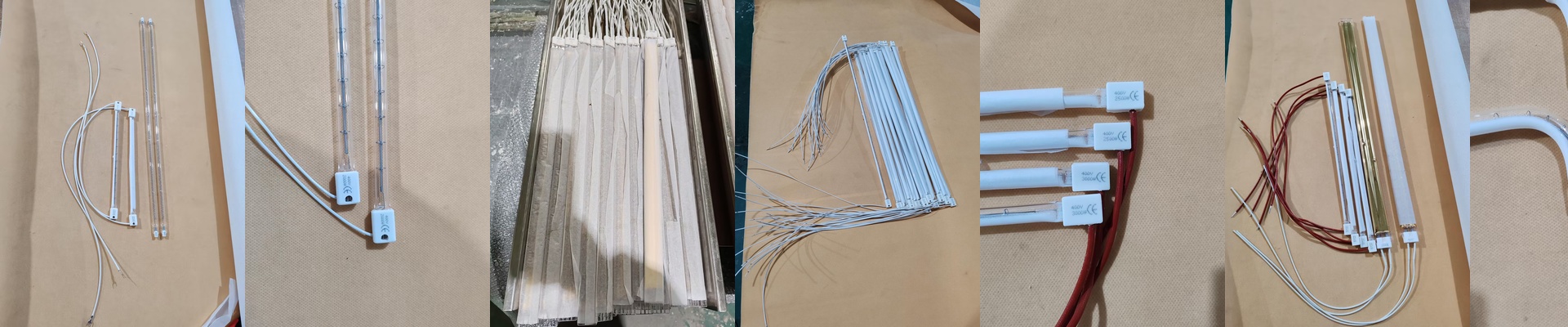
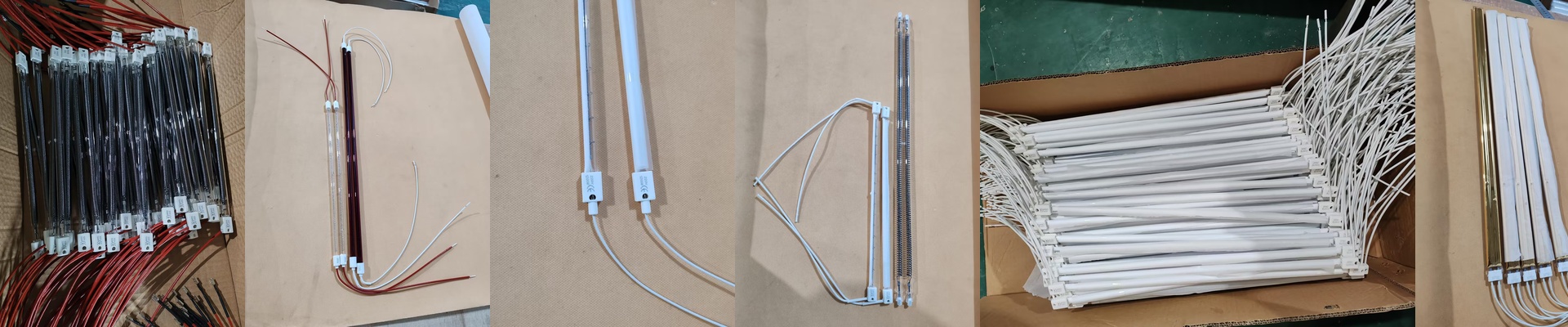
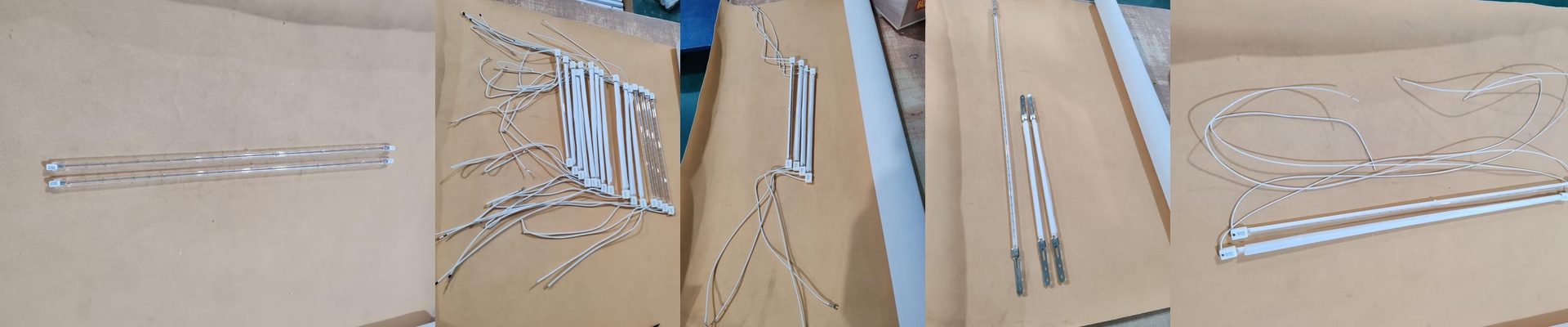
Let’s talk about the infrared quartz halogen heating lamp we built. It was born for industrial spaces where you need serious heat in a seriously small space. The specs are pretty direct: 400V, 2500W. That combo gives you a ton of power packed into a tight footprint. The 400V rating? It’s a smart choice. It lines up perfectly with your plant’s power setup, so you can run several lamps at once without the headache of rewiring everything. And the 300mm length? It’s a sweet spot. Just short enough to squeeze into tight spots, but long enough to give you a steady, even heat from end to end. This isn’t your run-of-the-mill heater. It’s built for the jobs that demand a rapid temperature climb and the ability to stay at high heat for the long haul. That wattage and voltage mean you get a lot of heat from a small package, which translates to faster cycle times. But here’s the catch—all that heat means your cooling system needs to be just as tough. You have to make sure your machine can handle the thermal load, or you risk cooking nearby parts.
What Makes It Tick
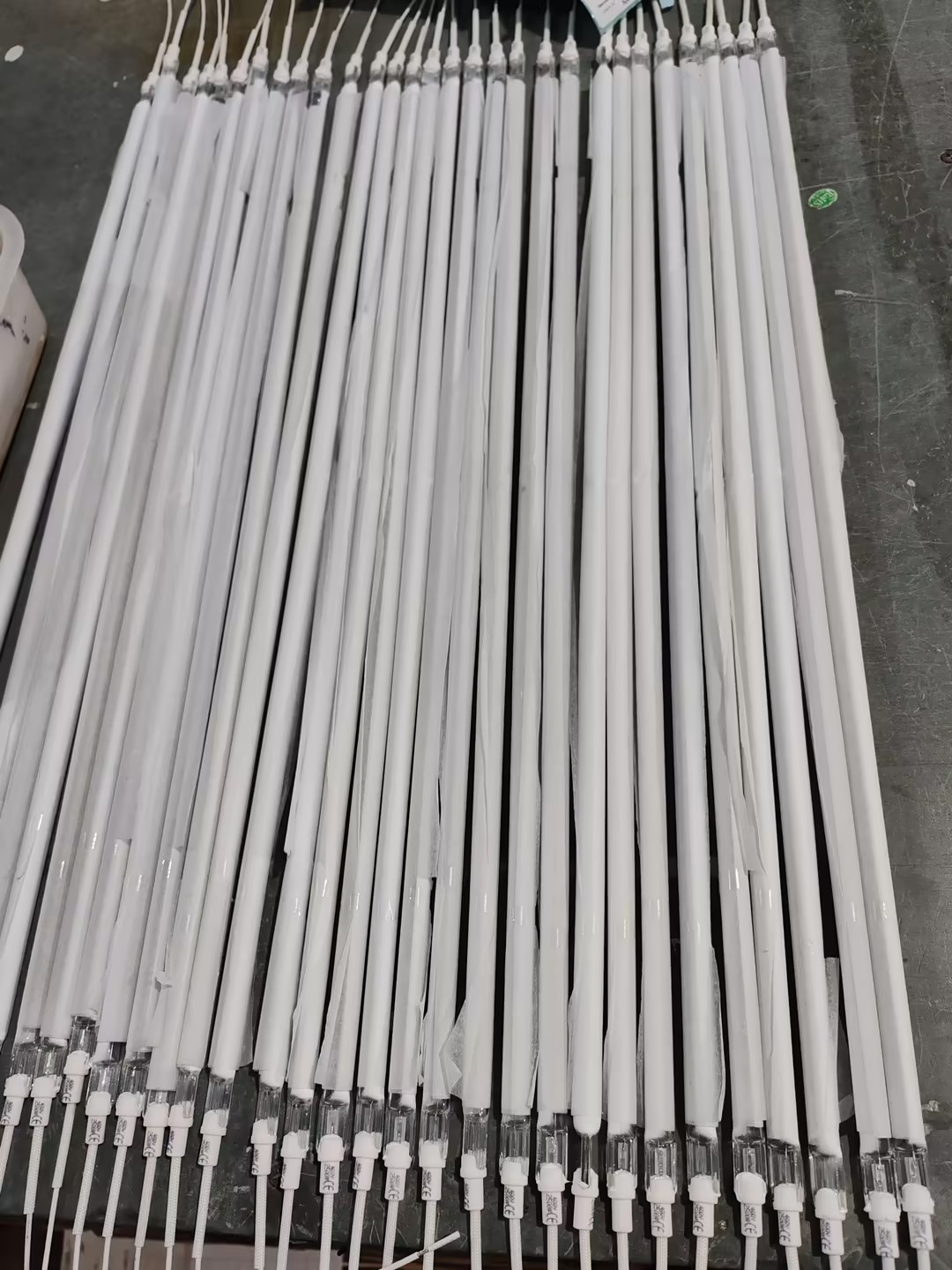
The heart of this lamp is quartz. It’s tough enough to handle sudden temperature swings and does a great job of letting infrared energy through. Inside, the halogen cycle keeps the filament stable. That means no blackening over time, and the light output stays consistent. The payoff? A long life with none of the dimming you get from standard lamps. We use an R7s connector, which makes installation a breeze. You get a secure, low-resistance connection that stays solid, even on equipment that’s constantly vibrating. The quartz tube itself gets a special coating, too. It’s there to fine-tune the infrared spectrum, focusing the energy exactly where your process needs it most—whether you’re heating a surface or curing something.
Where It Shines
This lamp is the workhorse for tough industrial heating jobs. Think PET blowing, plastic welding, curing adhesives. It heats the target directly, so you’re not wasting energy warming up the air around it. That direct transfer means less waiting around to get up to temperature, and way more control over the whole process. For you, that means faster production and less wasted energy. When it’s time for a replacement, the R7s base makes it a quick swap, so you’re not stuck with downtime. And the best part? It’s a direct drop-in for existing 400V halogen systems. No major redesign needed. Just remember, it’s a high-power tool. Treat it that way, match it with the right thermal load and cooling, and it’ll keep doing its job, reliably.