Targeted Heat for Medical Thermoforming: Finally, a Fix That Makes Sense
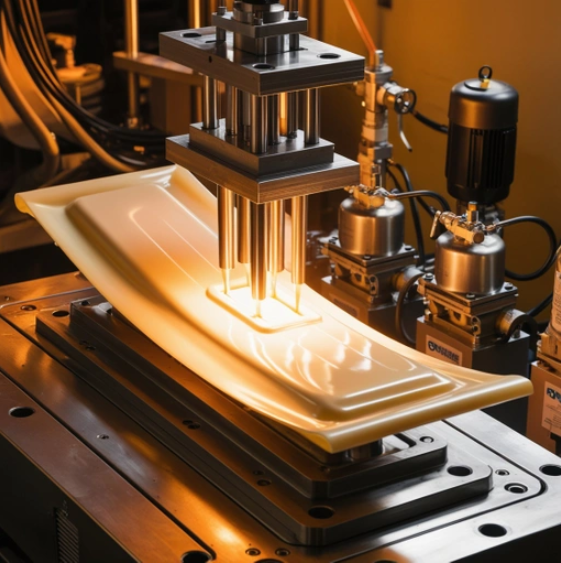
Ever tried to embed a metal part into plastic during medical thermoforming? It’s a headache, plain and simple. The metal and plastic just don’t want to play nice together. They expand at different rates, and that mismatch leads to stress, warping, or the bond just giving up. Standard heating methods make it worse. They blast the whole assembly, wasting energy and risking damage to parts that are sensitive. So we built something different: an infrared heating solution that goes straight to the problem. It heats only the joint—right where you need it. This way, the plastic expands just enough to match the metal, without turning the rest of the part into a hot mess.
How It Works (Without the Tech-Speak)
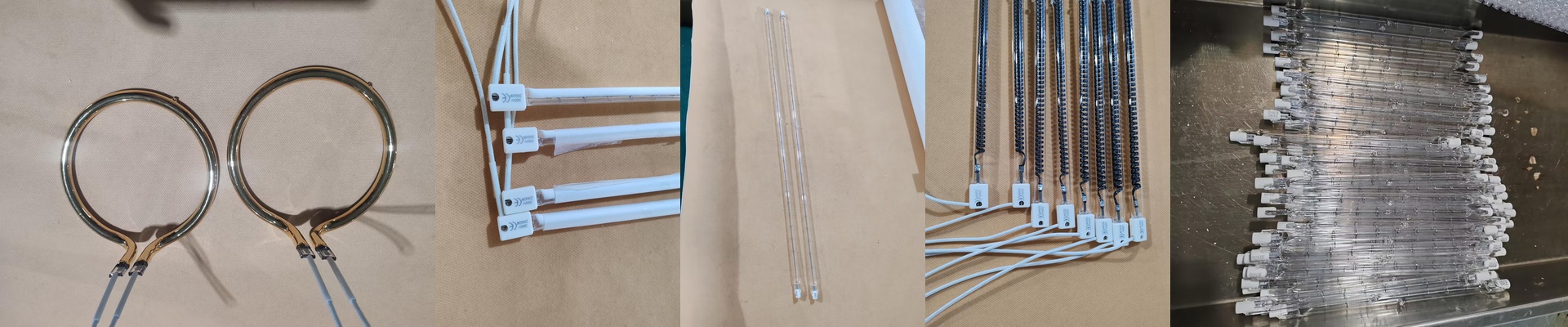
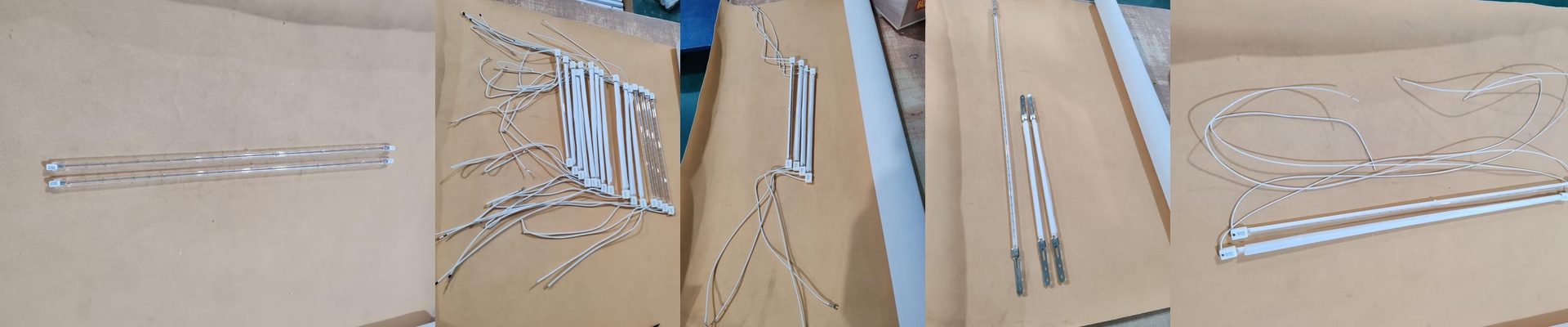
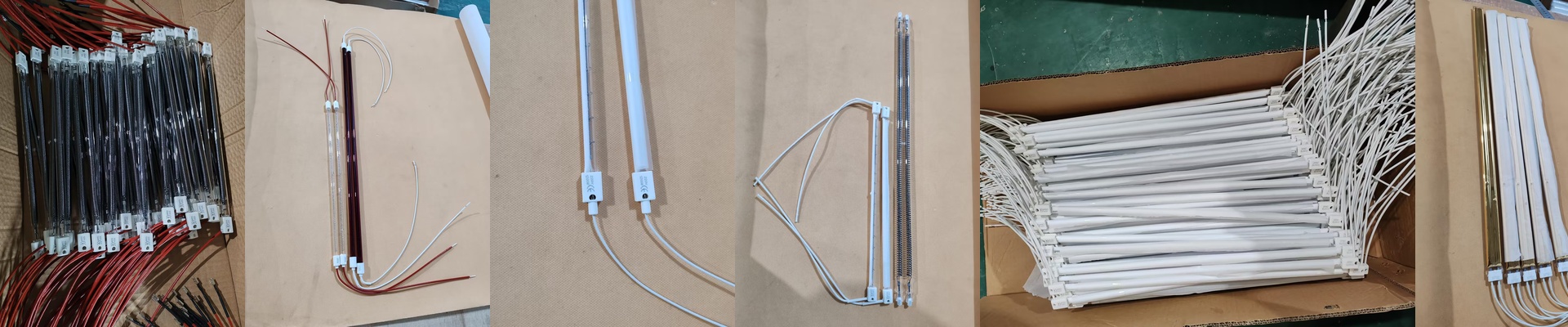
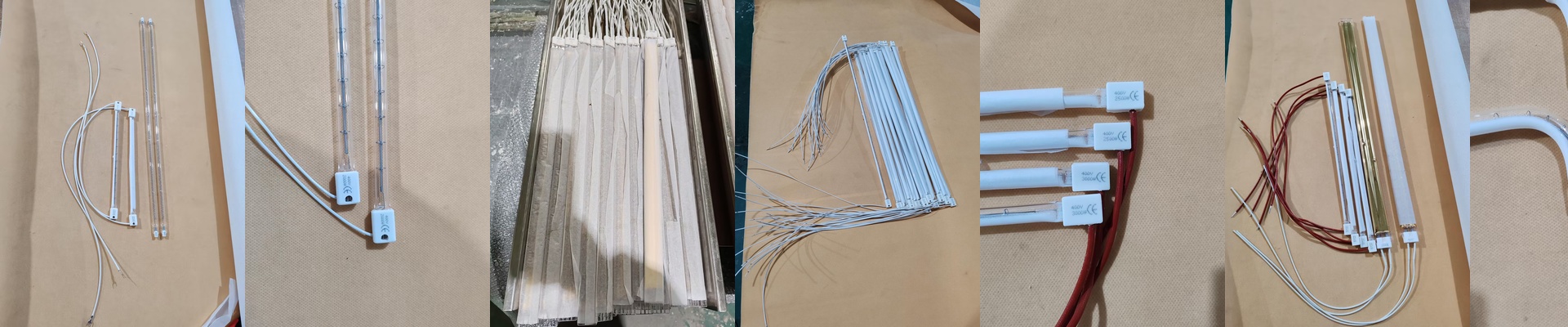
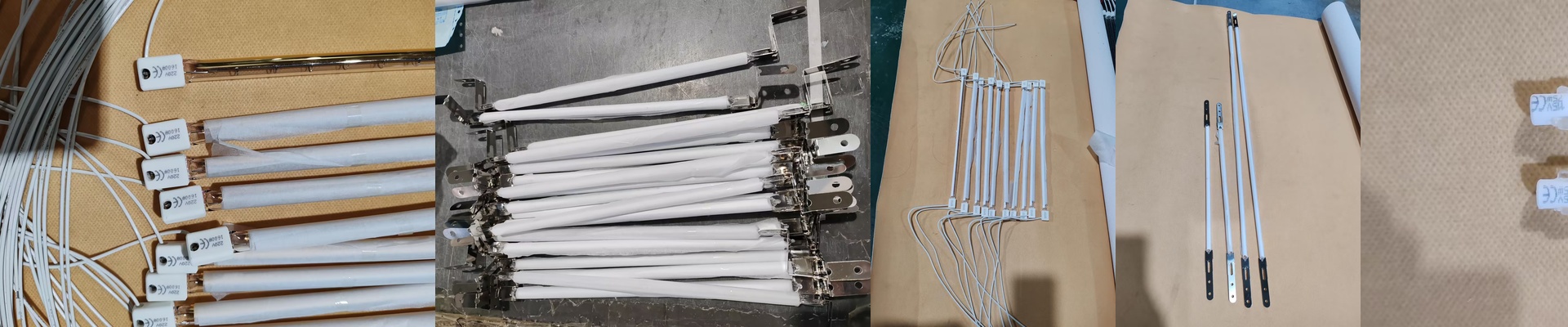
At the heart of the system is a high-density infrared emitter. It throws intense energy into a tight spot. Power is tuned to respond fast, so you hit the target temperature in seconds, not minutes. The voltage and wattage are dialed in to deliver that heat reliably, cycle after cycle. And the emitter itself is compact, so it slips into existing production lines without a full redesign. No overhaul needed. Just plug in, focus, and go.
Why Targeted Heat Changes the Bonding Game
Here’s the beauty of it: you’re not heating the whole part. You’re heating a specific zone. That’s how you beat the expansion mismatch. The plastic softens exactly where it needs to, wrapping around the metal insert without stress. Meanwhile, the rest of the component stays dimensionally stable. The result? A clean, repeatable bond. No guesswork. No drama.
Where It Shines—and What to Keep in Mind
This setup is a natural fit for medical device manufacturing, where precision and cleanliness aren’t optional—they’re mandatory. It handles tricky composite parts with confidence. But there’s a trade-off. The heat is intense and focused, so you need solid thermal management. Proper heat sinking and airflow are must-haves. This isn’t a plug-and-play add-on; it needs thoughtful integration. Once it’s set up, though, it delivers a tough, repeatable fix for a problem that used to keep you up at night. Stronger bonds. Less scrap. A process you can count on.
The Engine Under the Hood
The system uses a halogen or quartz-based emitter tuned to produce the right infrared spectrum. Quartz handles rapid heating and cooling without breaking down, and the coating on the tube pushes maximum energy through at the wavelength you need. The connectors are built for the real world. They handle high current without getting hot or losing connection, even on long production runs. This isn’t lab-pretty. It’s shop-floor tough.
Solving the Core Problem: Expansion Mismatch
The core issue is simple: plastic and metal expand differently. Heat them together, and you get internal stress. Our approach hits the problem at the source. We heat only the plastic, just enough to let it flow and grip the metal. The metal stays relatively cool, so its expansion stays minimal. You control the temperature and the timing. That means consistency. The bond is repeatable, and the results are measurable. And because it’s built for medical work, it meets the cleanliness and precision standards that matter for critical components. It turns a messy assembly challenge into a straightforward, reliable step.