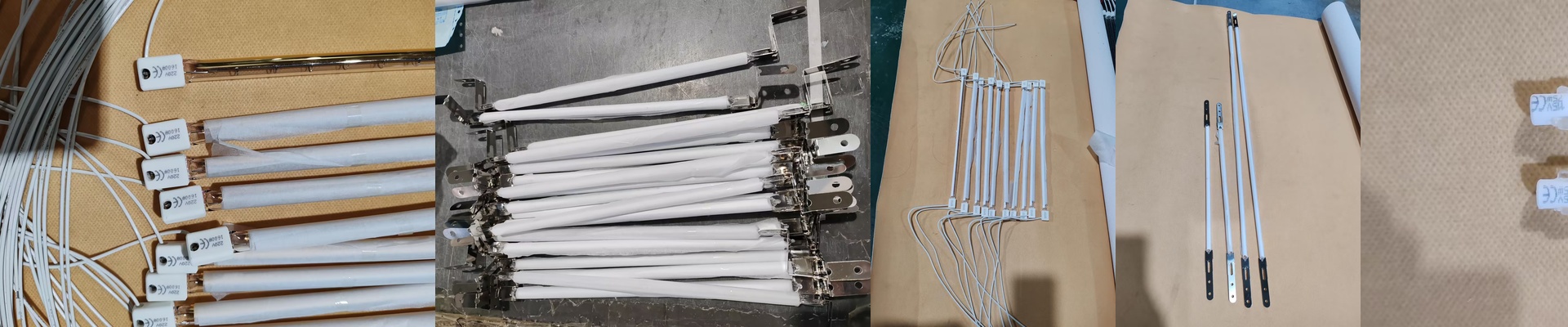
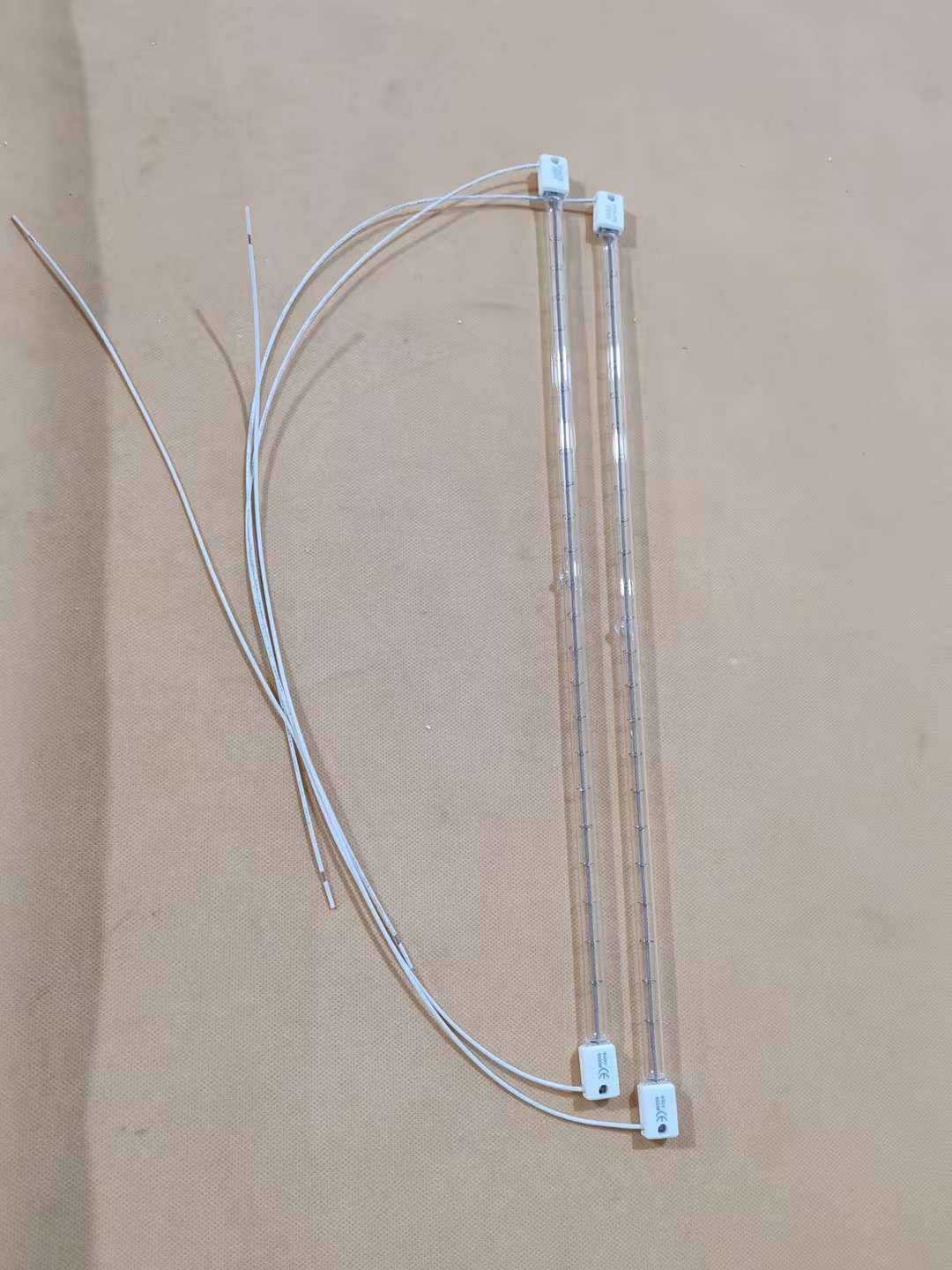
Getting the Most Out of Your High-Wattage R7s Quartz Halogen Lamps
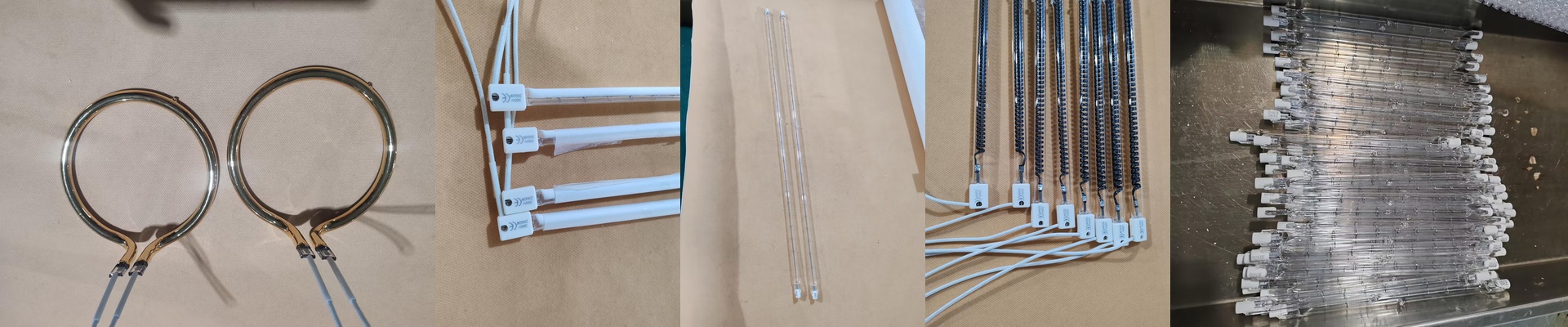
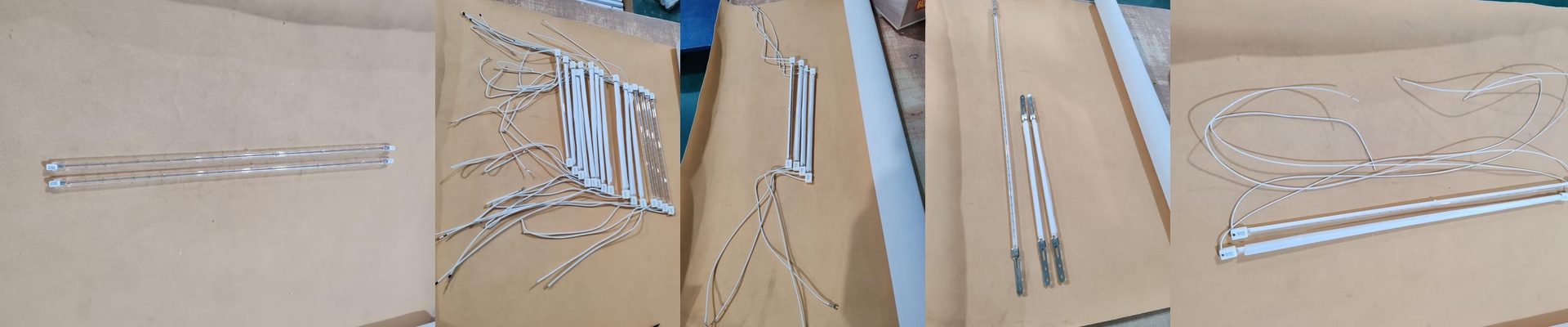
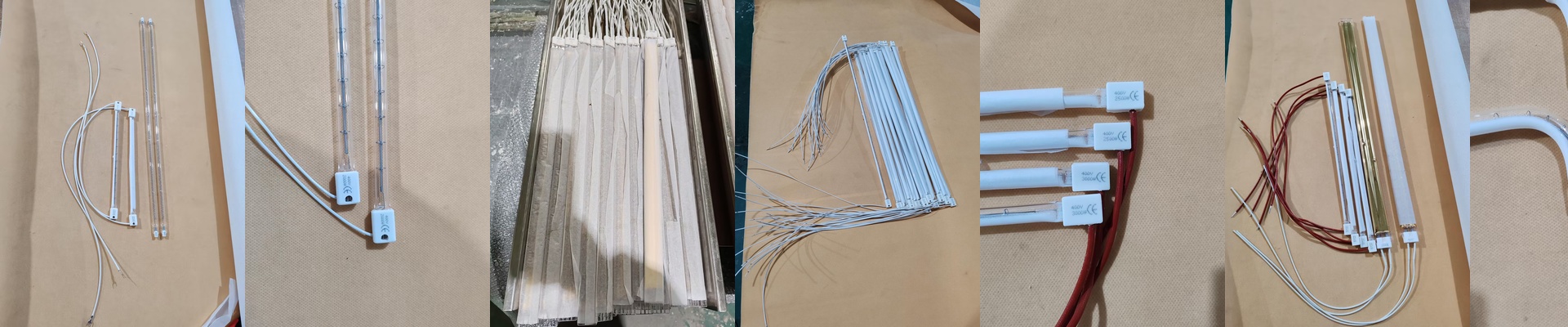
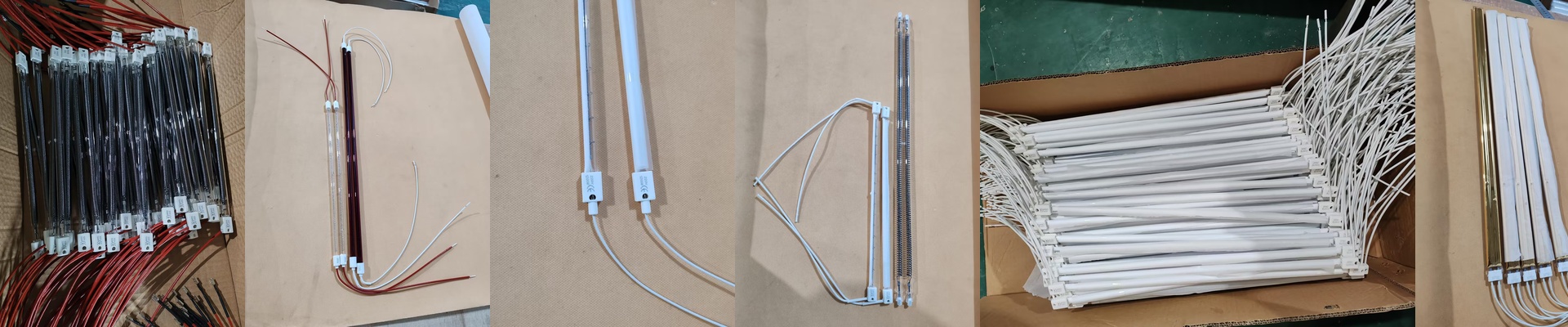
Let’s talk about these lamps. We built them for the tough stuff—industrial drying and curing where you need a massive amount of heat, and you need it right now. They run on 240V and can push anywhere from 1600W to 2000W. Depending on what you’re heating, you can dial that in to fit your needs. The Power Side of Things Since they’re rated for 240V, you can plug them straight into most industrial grids. No need to mess around with those bulky, expensive step-down transformers. Now, if you crank it up to 2000W, you’re going to get a huge jump in infrared output. It’s great because your heating cycles ramp up way faster. But here’s the catch: pushing the lamp to its limit puts a lot of stress on that tungsten filament. Just make sure your power supply is steady. If it flickers or spikes, you’re looking at a burnt-out bulb much sooner than you’d like. Why Quartz and R7s? We went with high-purity quartz glass for a reason. When you’re cycling heat on and off rapidly, the temperature swings are violent. Quartz can take that thermal shock without cracking. Inside, there’s halogen gas. Its job is to stop the tungsten from evaporating and gunking up the glass. This keeps the light clear and helps the lamp last longer. As for the R7s base? It’s a simple linear connector. It makes these a breeze to swap into most heating arrays. You can get them wired up and running quickly without needing a toolkit full of specialized gear. Real-World Use (and a Warning) You’ll usually see these in PET blowing machines, big industrial ovens, or spot-drying stations. The best part is that there’s no waiting around. No warm-up lag. You flip the switch, and the heat is there. But you’ve got to be careful with the surrounding area. These lamps put out intense short-wave radiation, meaning the housing around them gets hot—fast. Double-check your ventilation and make sure your cooling fans are actually doing their job. If the airflow gets blocked, those R7s sockets can actually melt. It doesn’t matter how high-quality the lamp is; if it can’t breathe, you’ve got a problem.