Cutting Cycle Time at the Source
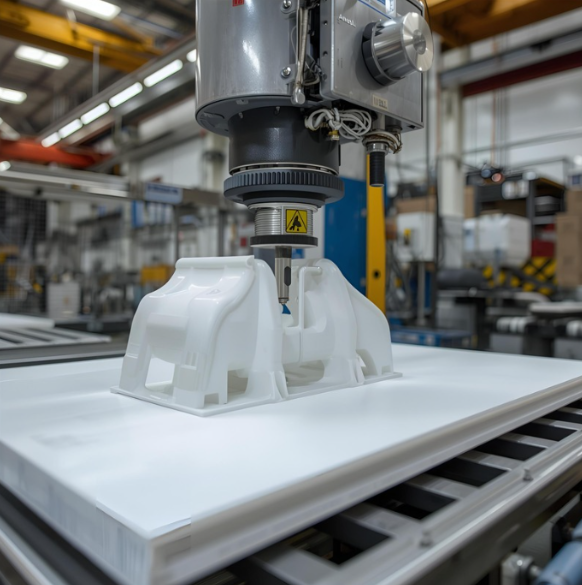
Let’s cut to the chase. We built the mica heater for injection molding to kill the bottleneck that always seems to slow you down—post-processing. The whole idea? Make the separate annealing station disappear. How? By bringing infrared annealing right into the flow. The part gets treated the instant it comes out of the mold. No more waiting. No more shuttling parts to an off-line oven. You just compress the cycle and keep things moving.
Power That Keeps Up
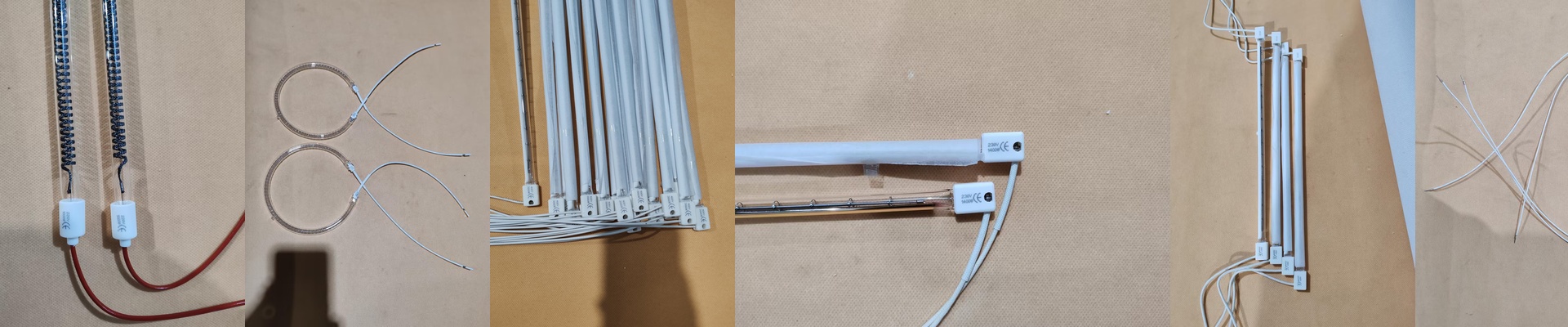
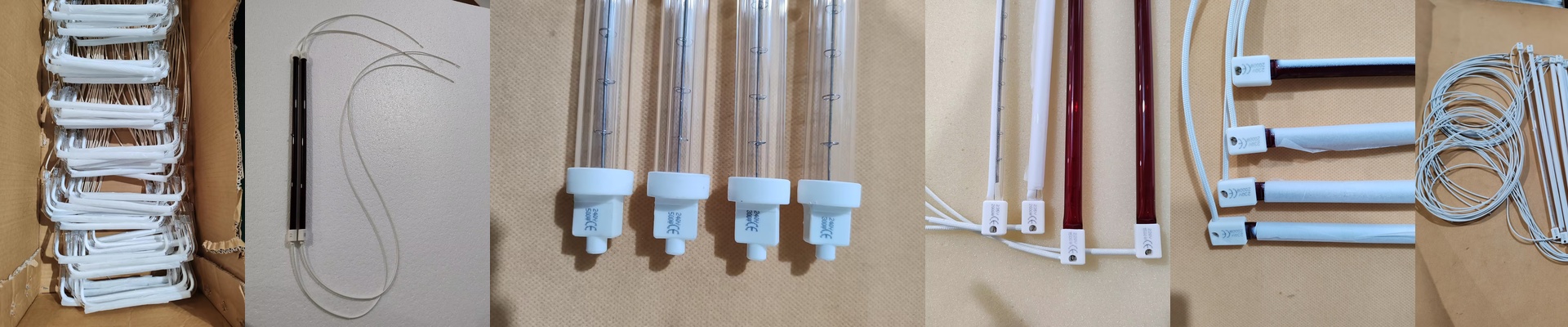
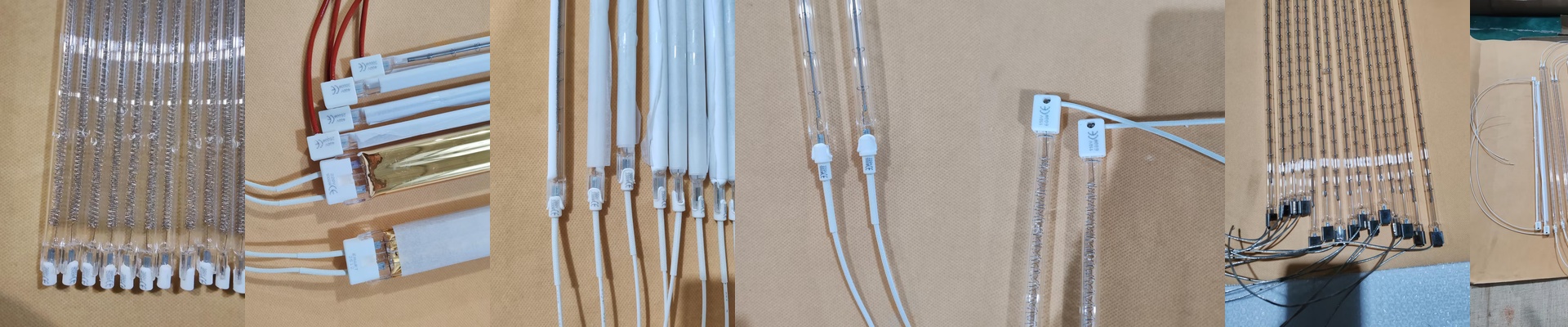
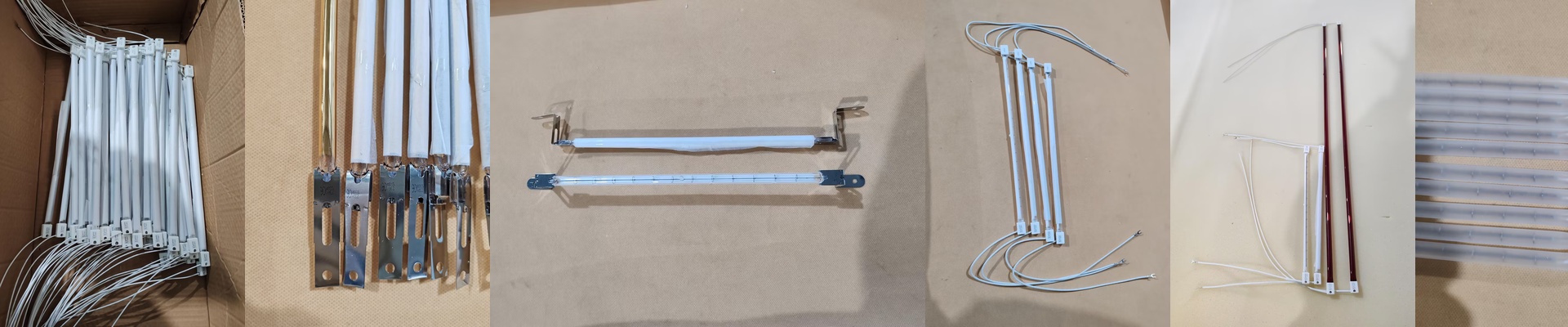
These heaters are all about packing serious heat into a small footprint. The standard setup runs on 400V, 2500W, and responds in a flash. It heats up in seconds, so it keeps pace with the injection cycle. The 300mm length hits the sweet spot for larger parts without taking up a ton of cabinet space. It’s fast. Really fast. And that changes the feel of your entire operation.
Built for the Grind
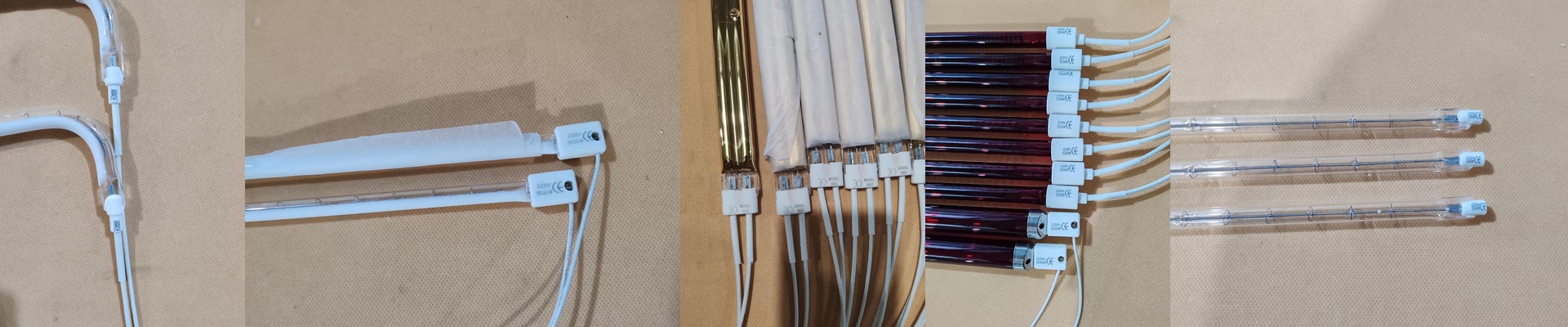
The heart of it is a halogen-infused quartz tube, chosen because it handles sudden temperature swings without blinking. We added a protective coating that shrugs off oxidation and resists chemical splash from mold release agents. The R7s connector locks in tight, handles high current, and wires up quickly. It stays solid even when the machine is humming and vibrating. This thing is a straight drop-in replacement that can take a beating, day after day.
What It Feels Like on the Floor
On the shop floor, online processing means you anneal the part as it glides down the conveyor, right after the mold. That frees up floor space and cuts down on labor. But here’s the thing—packing 2500W into a small space creates a lot of local heat. So you need to make sure your machine’s cooling is up to the task. Plan for the ambient temperature rise and you’re golden. For big structural parts, this approach turns post-treatment from hours into minutes. Your throughput stays steady, your people stay focused, and the line keeps rolling.