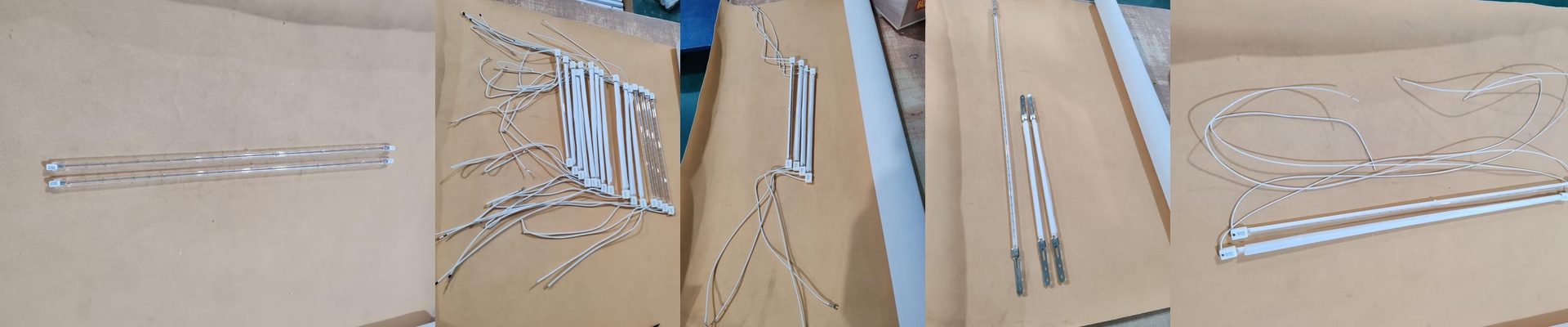
Replacement Halogen Heater Tubes: The Specs, the Science, and the Real-World Grind
When a machine goes down, you don’t want a part. You want a straight shot back to heat. That’s what a replacement halogen heater tube gives you—an easy swap that gets your process back online, with minimal fuss and zero guesswork.
Power, Voltage, and Size: Why the Details Matter
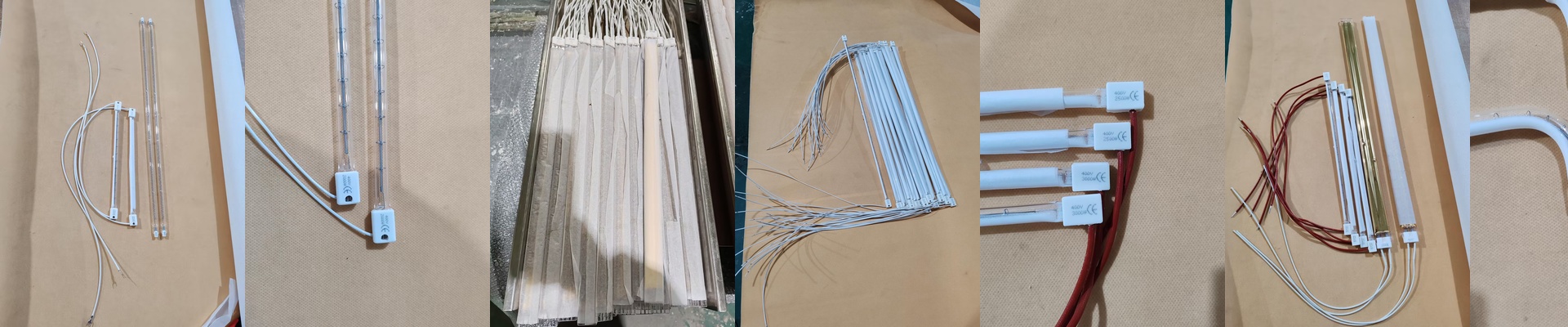
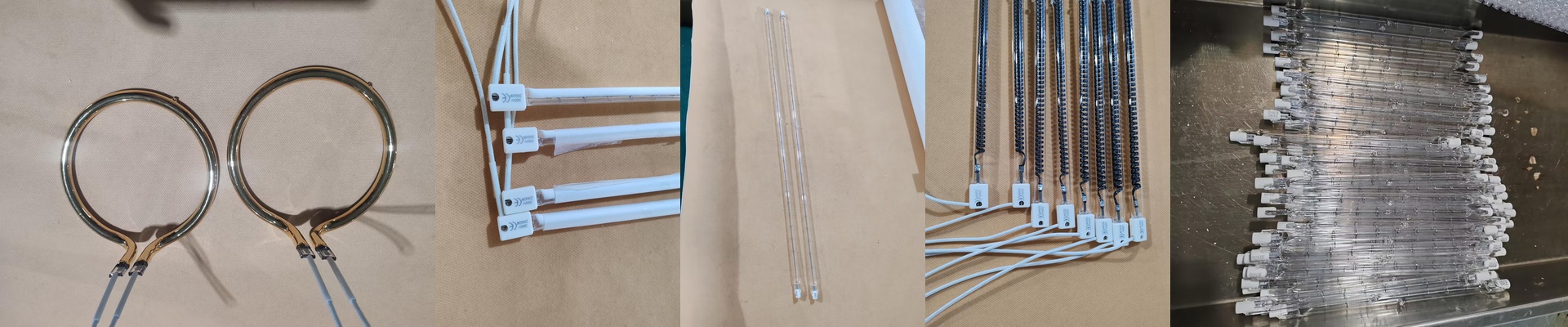
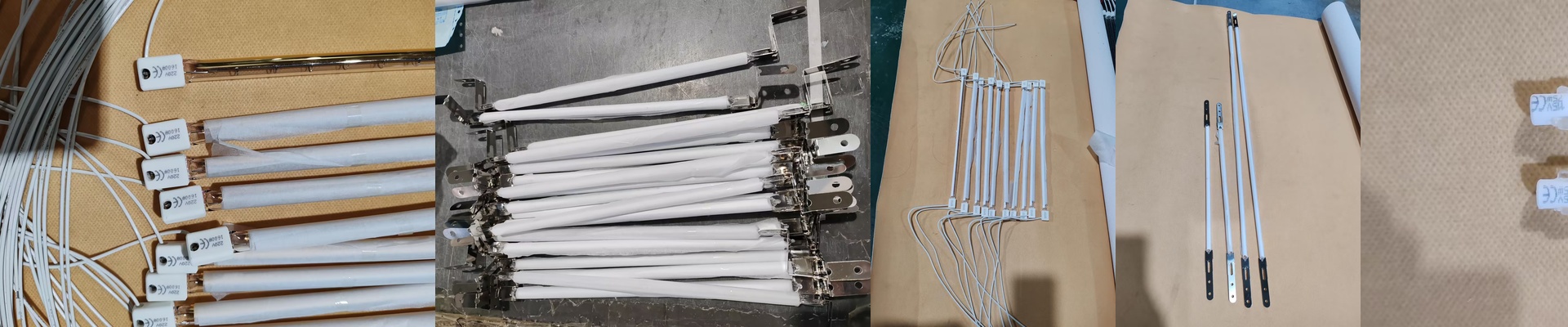
Here’s the thing about these tubes: they’re built as a single, tight unit. The filament, the quartz tube, and the reflector all work together, like a well-rehearsed band. So wattage and voltage aren’t random—they’re matched to your control system and line speed. Take a 400V rating, for example. It helps keep the current down for the same power level, which means you can use smaller wiring and avoid putting too much stress on contacts. Less heat, less strain, more peace of mind. And size? It’s just as critical. A 300mm length and a slim profile are chosen to slip into tight spots—crowded heating blocks and narrow reflector cavities. Go too long, and you’ll bump into other parts. Too short, and you lose the heat pattern you need. It’s that simple.
What’s Inside, and Why It Stays Tough
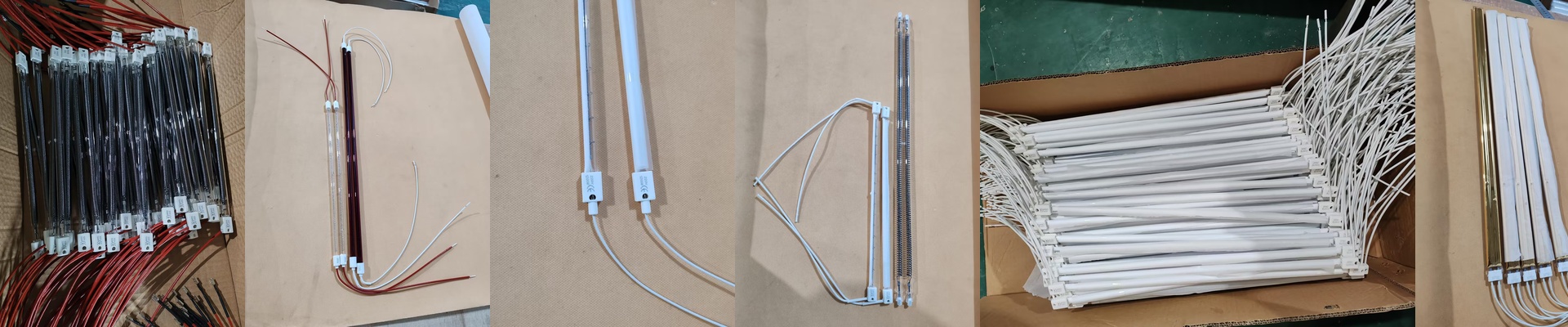
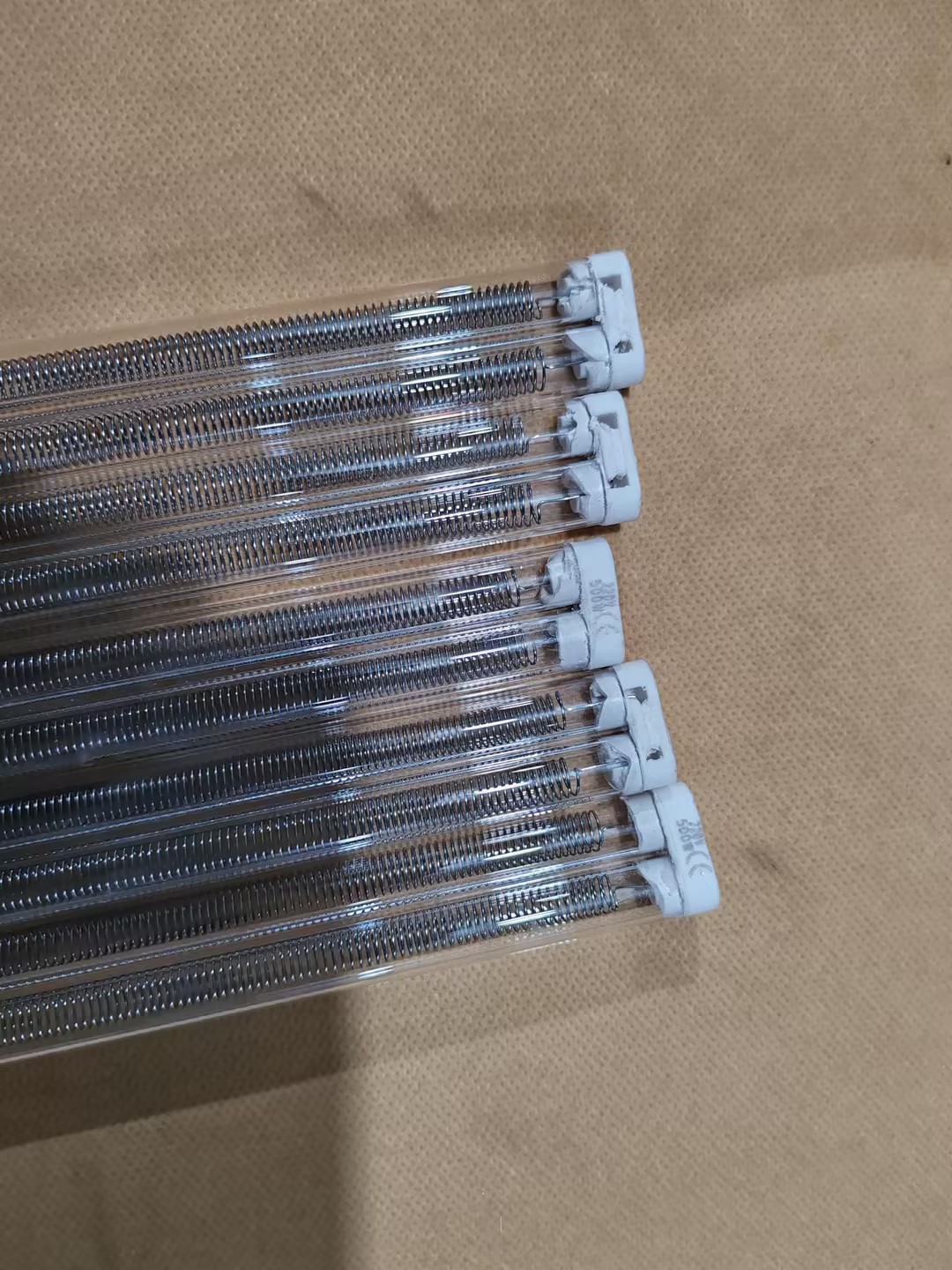
The envelope is quartz because it can handle serious heat. It doesn’t crack when things heat up and cool down fast, and it holds its shape through countless cycles. Inside, the halogen chemistry helps slow down filament wear, so the output stays steady over the tube’s life. Out on the surface, a reflective coating pushes more infrared energy forward, so the heat goes where you want it. And the connectors—usually R7s or Sk15—aren’t picked by accident. They line up cleanly, keep polarity consistent, and hold tight even when vibration and temperature swings would otherwise cause arcing and spotty heating.
Where They Shine, and the Trade-Off You Plan For
These tubes are made for places that need fast, focused infrared heat—think plastic heating zones, thermoforming edges, and similar industrial setups. You get a lot of heat in a small footprint, which means your temperature snaps back quickly. But high heat density comes with a trade-off: the surrounding gear has to handle the heat. Your machine’s cooling and airflow need to be on point. Otherwise, nearby electronics and insulation take a hit. When you pair the tube with the right fixture and a solid cooling plan, you get steady control and a straightforward drop-in replacement that keeps the line moving.