Why Automotive Interior Parts Need Infrared Annealing
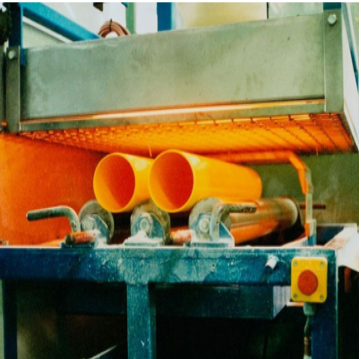
We hear this all the time: why bother putting automotive interior parts through infrared annealing before they ship? Here’s the thing—it’s all about keeping things stable. Those interior trim pieces, door panels, and console components carry hidden stress from the injection molding process. And if you don’t take that stress out? It shows up later as warping, squeaks, and even cracks after assembly. Not exactly the kind of surprise you want on the production line. Infrared annealing in a batch oven is the quickest way to release that stress without scorching the surface. It gives you deep, even heat and a steady thermal profile, so every shift hits the same quality mark.
The Power Behind the Process: Voltage, Heat, and Control
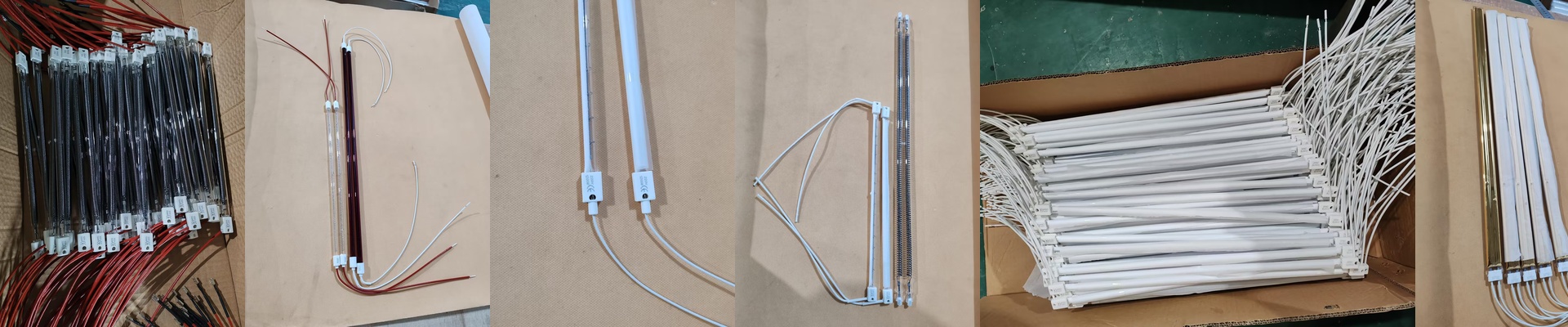
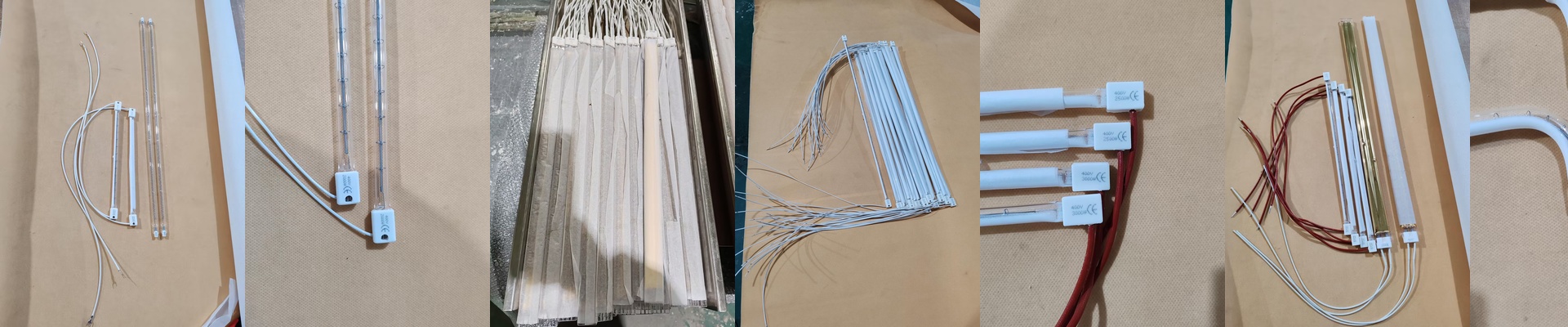
When you’re building an infrared batch oven for plastic parts, you’re going for high-density heat, fast ramp-up, and tight control. You size the system to deliver the right heat for the part and the cycle time. Most industrial setups run on 400V. That higher voltage lets you pack in high-wattage elements without overloading the wiring and contactors. That power density means speed—faster heat-up, shorter soak times, more parts per hour. But it also means the oven has to be built to handle the heat load. The cooling system, airflow, and insulation have to match the heating capacity. Otherwise, you’ll spend the whole run chasing temperature swings.
Materials and Design: Lamps, Quartz, and the Right Connections
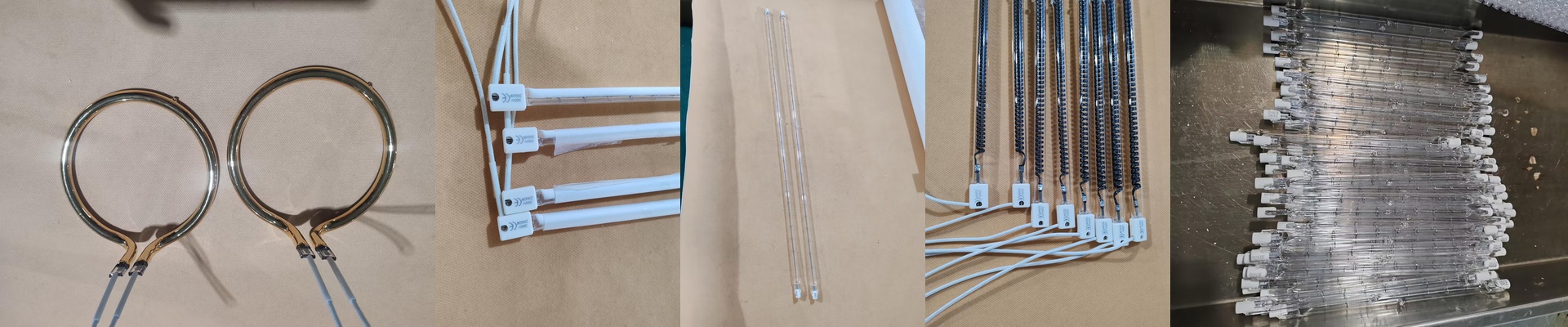
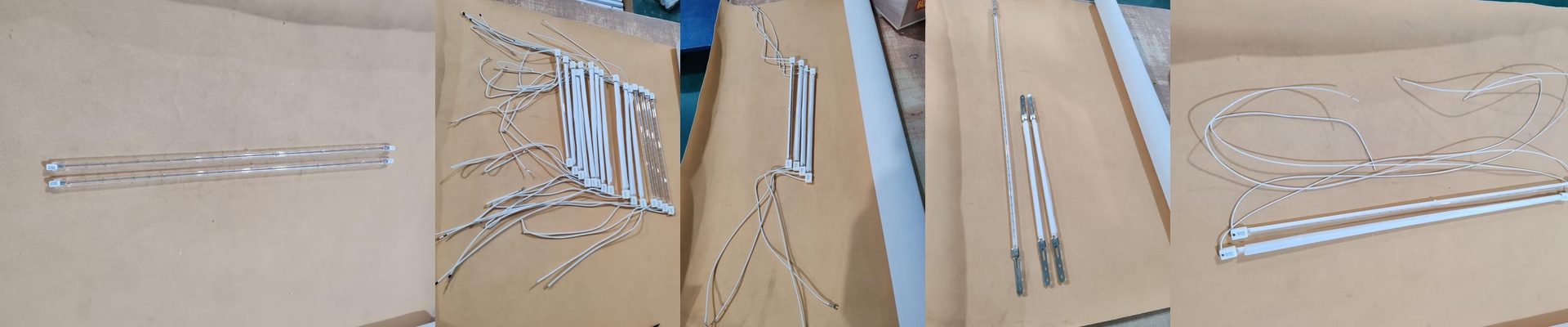
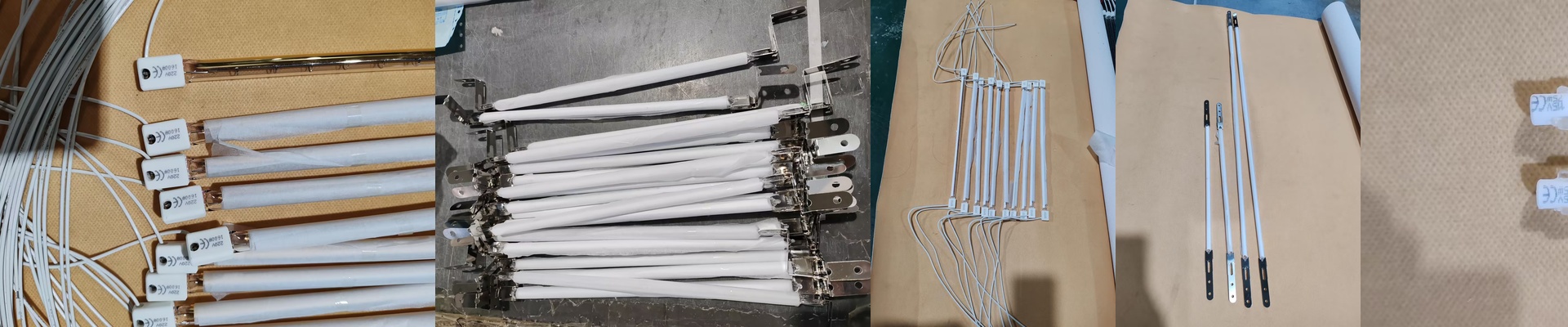
Halogen infrared lamps are a go-to here because they deliver shortwave energy with quick response. The quartz envelope handles the shock of repeated on/off cycles, and the filament design keeps the radiant output steady. And when you need to keep the heating zone dense without wasting space, compact tubular lamps are the answer. On the shop floor, connector choices matter. An R7s base is the standard for straight tubular lamps—solid mechanical fit, reliable electrical contact. It’s the kind of detail you specify when you want the lamp to drop in and just work, no fuss.
The Payoff: Quality, Speed, and Less Headache
In automotive interiors, quality isn’t optional. No warping. No leftover stress. Consistent surface finish. Infrared annealing in a batch oven delivers that by applying uniform radiant heat that penetrates fast, then holding a controlled soak to relax the polymer. The best part? It’s repeatable. The first part matches the hundredth. You cut scrap, reduce rework, and keep the line moving. But yes, there’s a trade-off. High heat density means you need a cooling system that’s up to the task and a maintenance plan you actually stick to. Plan for it, and the process runs. Ignore it, and downtime finds you.