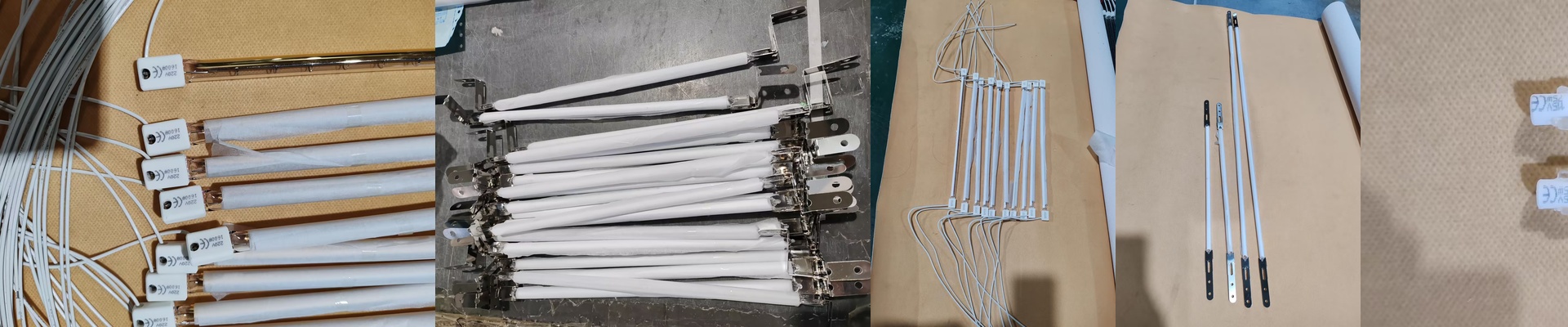
Let’s talk about what this thing actually does
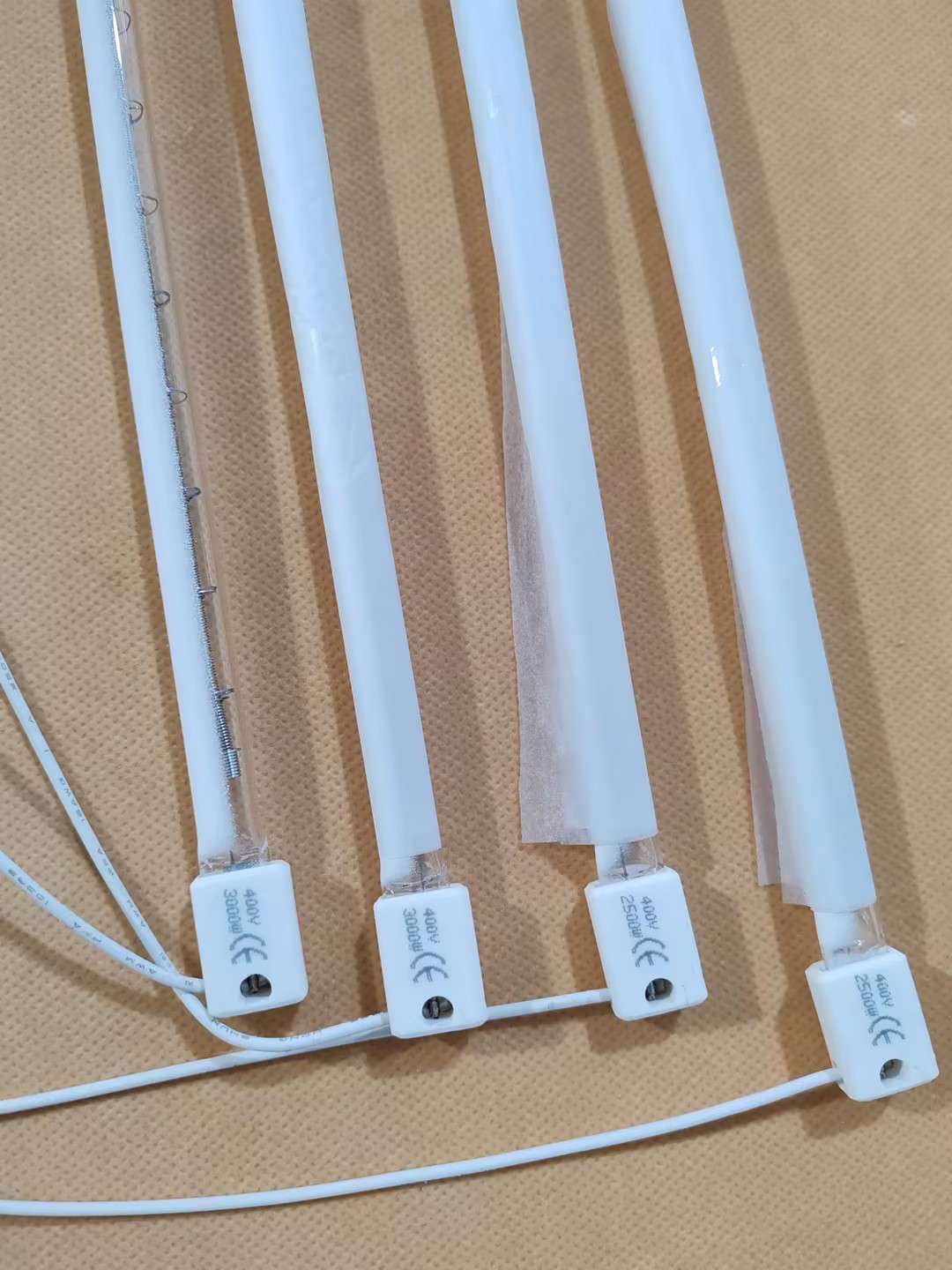
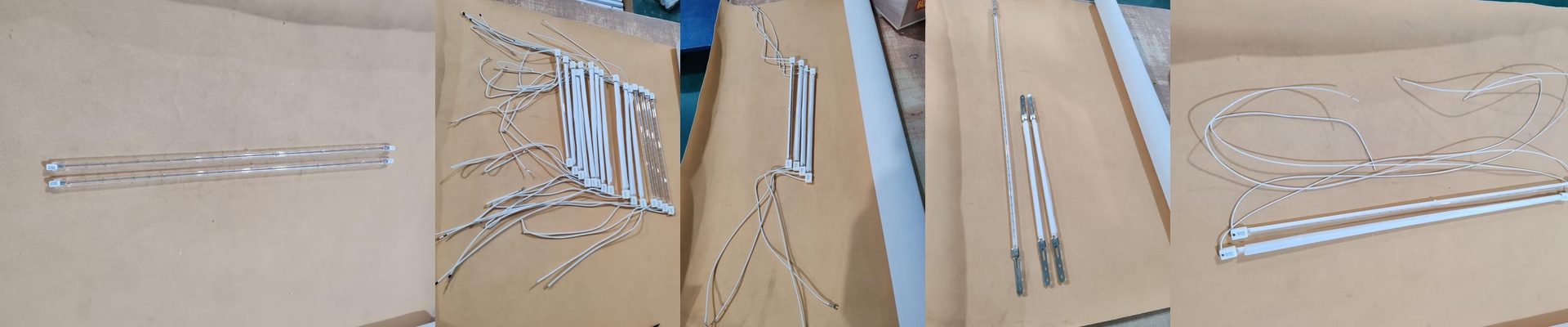
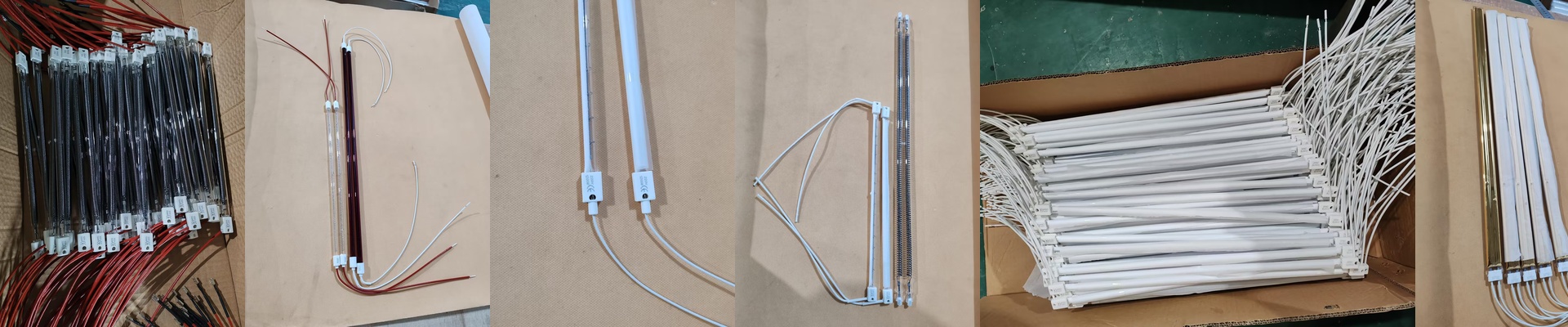
Here’s the core of it: we built this ruby halogen tube to be a compact powerhouse. It’s an infrared heater designed for those tight spots where you need intense heat, and you need it now. The specs aren’t random—400V, 2500W, and a 300mm length. This combo is all about packing serious power into a small package. It gets your target hot fast, without turning the whole room into an oven. And that 400V rating? That’s straight off the industrial line voltage, so you can skip the bulky transformers and keep your control panel clean. But here’s the catch. All that power generates serious heat. Your cooling system has to be up to the task, or you’ll shorten the life of the tube and everything else nearby.
Why it’s built the way it is
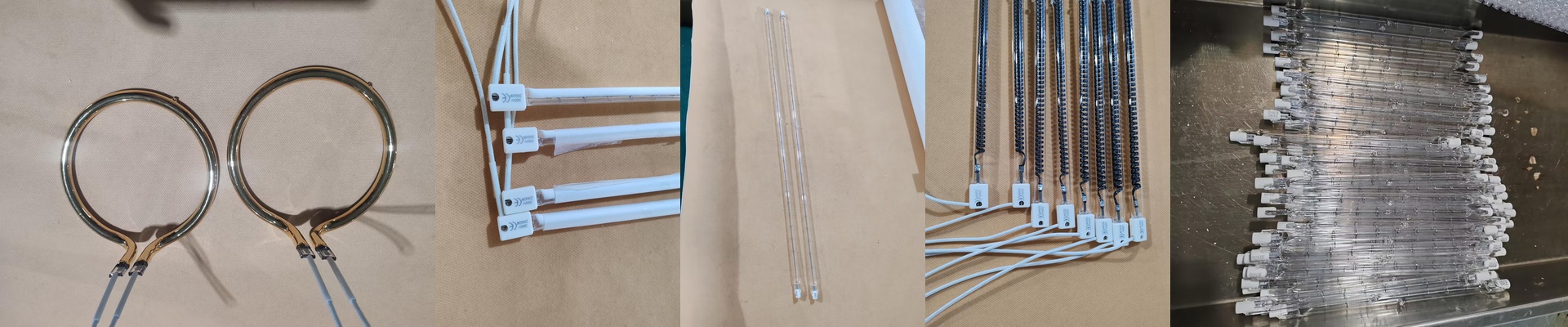
The body isn’t just any glass—it’s quartz. This stuff can handle the extreme temperatures and the shock of rapid on-off cycles without cracking. That “ruby” look? It’s a special coating on the outside. Its job is to filter out visible light, so you get clean, pure infrared heat. No glare. No extra heat that could mess up sensitive materials. And the R7s connector? It’s a double-ended, industrial-grade contact. It handles the current, and the installation is as simple as sliding it into place. It’s built to take the daily grind on the factory floor and keep a rock-solid connection.
Where this shines in the real world
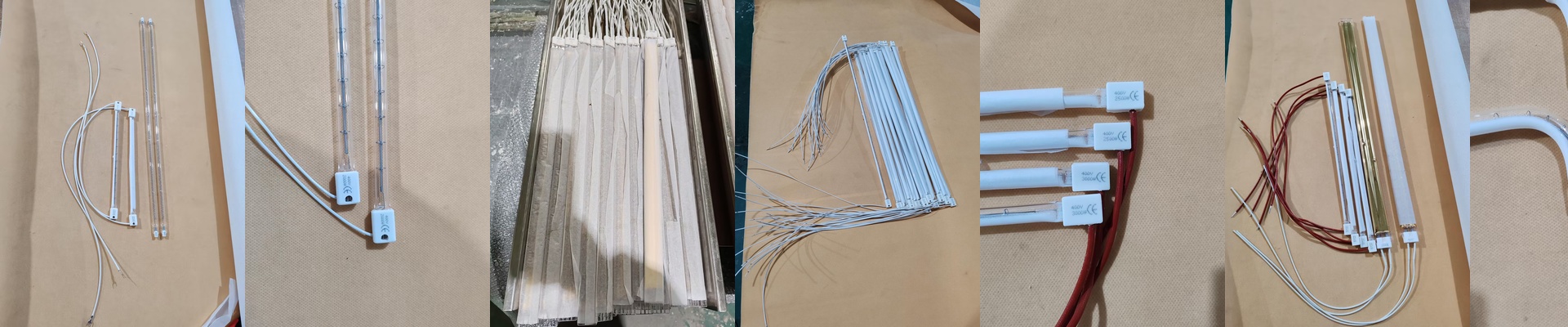
This tube really comes alive in applications like PET bottle blowing, plastic welding, or shrink-wrap tunnels. It delivers rapid heating cycles, which keeps your production line moving. The beauty is that it heats the material directly, not the air around it. That’s not just more efficient—it saves energy. And because it’s so compact, it’s a breeze to retrofit into existing machines or design into tight spaces. For you, that means an easy drop-in replacement that wires up simply and delivers consistent heat. But keep in mind, this is a high-temperature piece of equipment. Treat it with respect, and make sure your mounting hardware can handle the heat.
Getting into the details: Power, voltage, and size
The 400V, 2500W, and 300mm measurements are all about creating a specific thermal profile. The 400V is a direct match for standard three-phase industrial power. That means no bulky step-down transformers, which simplifies your control panel and cuts down on installation time. Squeezing 2500W of power into a 300mm tube creates a high power density. That’s what gives you the rapid heat-up times that are critical for processes like PET blowing, where every second counts. But again, that power has a consequence. Your equipment’s cooling system has to be properly sized to handle the extra heat. Ignore that, and you’re asking for overheating and premature failure—not just for the lamp, but for everything nearby.
The physics behind the build
The tube is made from high-purity quartz because it can handle the extreme filament temperatures and the thermal shock of cycling on and off. Standard glass would just crack under those conditions. The “ruby” coating on the quartz envelope is proprietary. It filters out visible light, so you get a clean, efficient band of infrared energy. This is crucial for jobs where glare is a safety hazard, or where you need to heat something without discoloring it. The R7s connector is a double-ended, linear contact designed for high current and easy installation. It’s a tough, industrial solution that gives you a secure, reliable connection, making the whole tube a simple drop-in replacement.
Solving real problems on the factory floor
Ruby halogen tubes are purpose-built for industrial heating where precision and speed are everything. In applications like PET blowing, the focused infrared output hits the plastic directly, ensuring fast, even heating without scorching. This direct energy transfer boosts efficiency and shortens cycle times. For you, this means a reliable heater that fits into tight spots. The R7s connector makes installation a snap. The high power density keeps production rates high. But there’s a trade-off. The intense heat demands respect. Your machine needs proper cooling and clearance. This lamp runs hot, and the surrounding components have to be rated for that thermal load. This is industrial equipment, built for performance, but it needs the right system to run reliably.