1500W Halogen Heat Lamp: The Compact Powerhouse for Real-World Heat
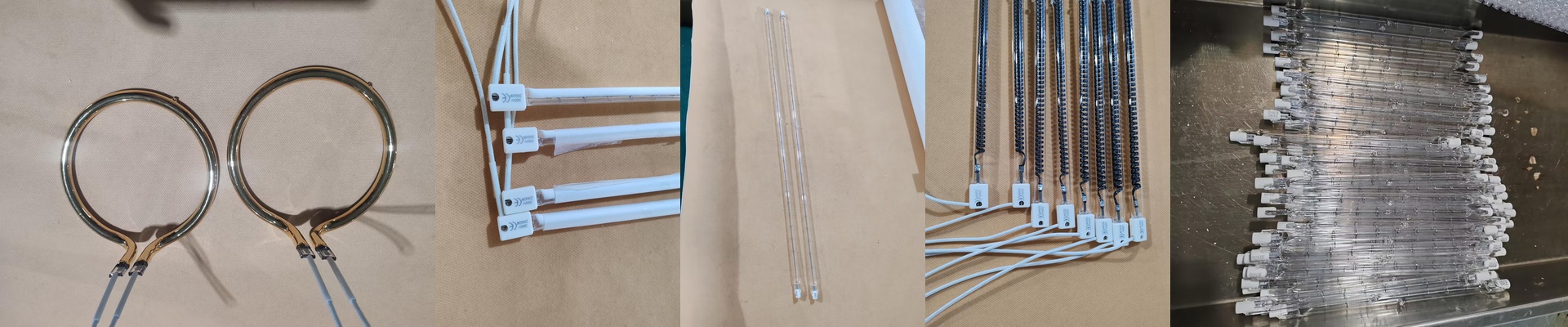
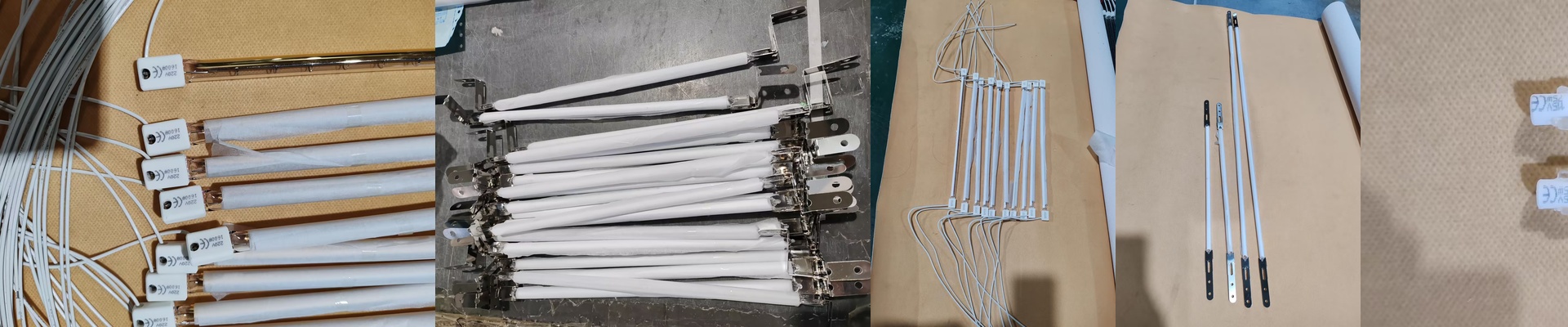
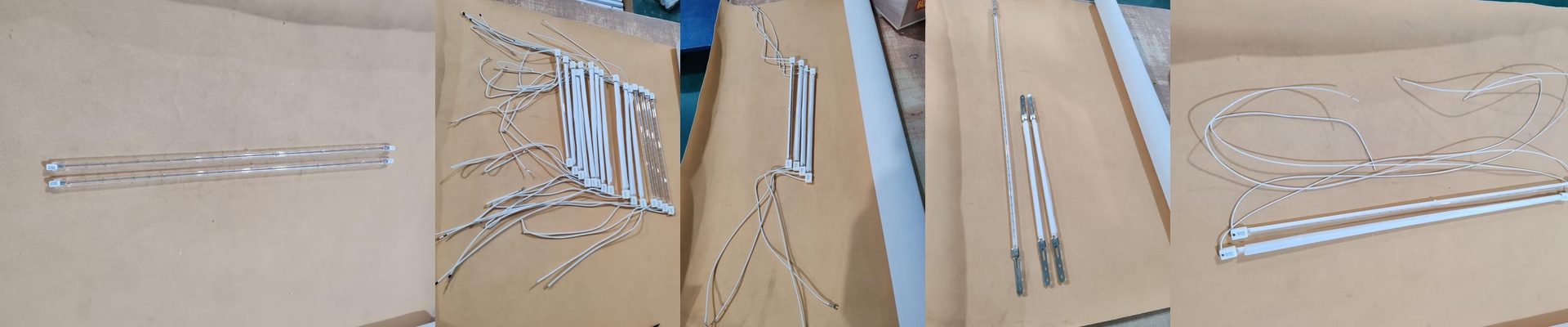
We built this 1500W halogen heat lamp for one simple reason: to get serious, controllable heat into spaces where bulky heaters just won’t fit. When your process needs heat fast, you don’t want to redesign the whole machine around it. You want something compact, straightforward, and ready to go.
Power, Voltage, and Size—Kept Practical
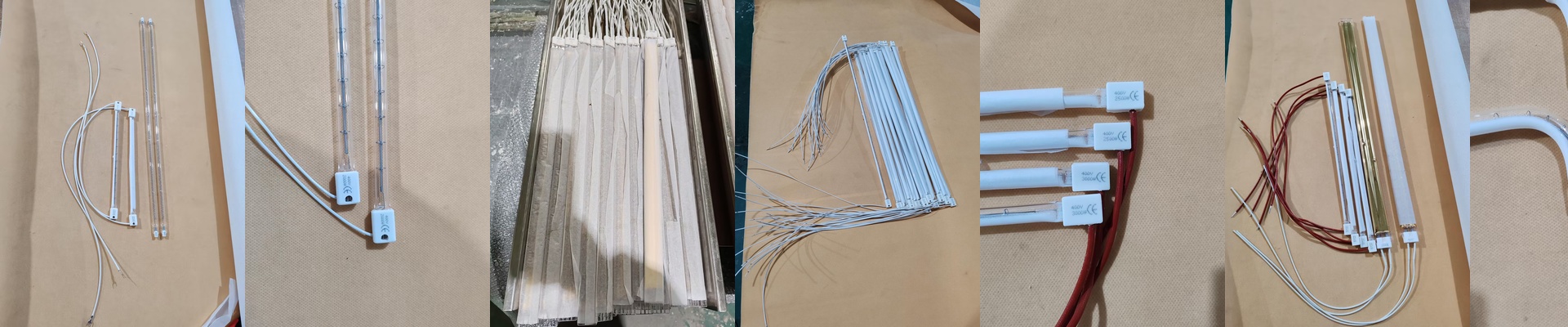
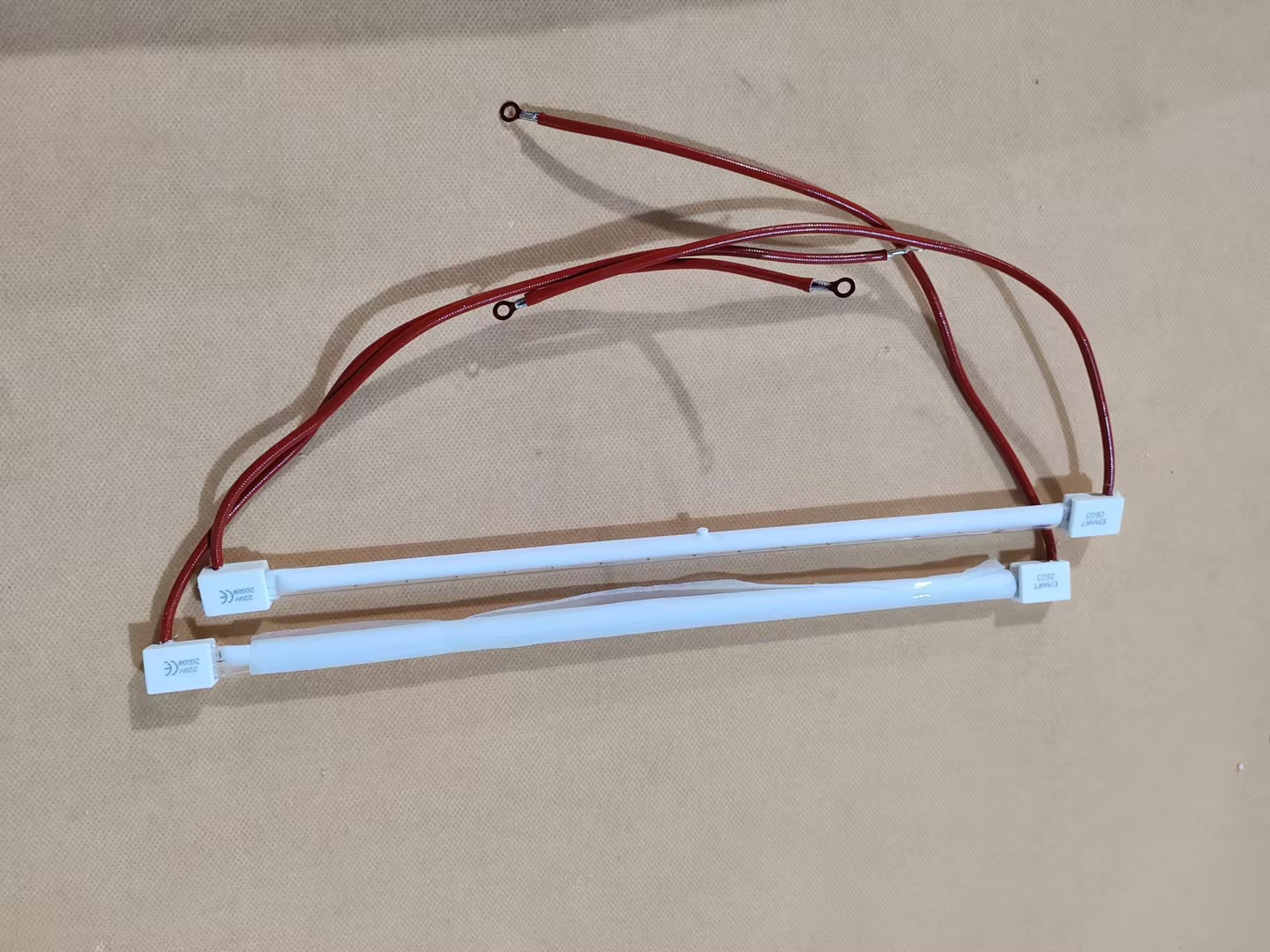
The 1500W rating isn’t random. It’s the sweet spot for high heat density without needing an oversized lamp body. Enough punch to heat small zones quickly, but still easy to wire into standard industrial setups. We engineer it for a specific voltage—typically 230V or 240V—so it drops right into existing electrical panels. No re-engineering. No headaches. And the length? That’s intentional too. A shorter lamp means a smaller mounting footprint, which also concentrates the heat into a tighter spot. The result is more intensity per inch, right where you need it. It slips into places strip heaters and ovens can’t, and delivers heat exactly where you point it.
Built to Last: Halogen Chemistry, Quartz, and a Simple Connection
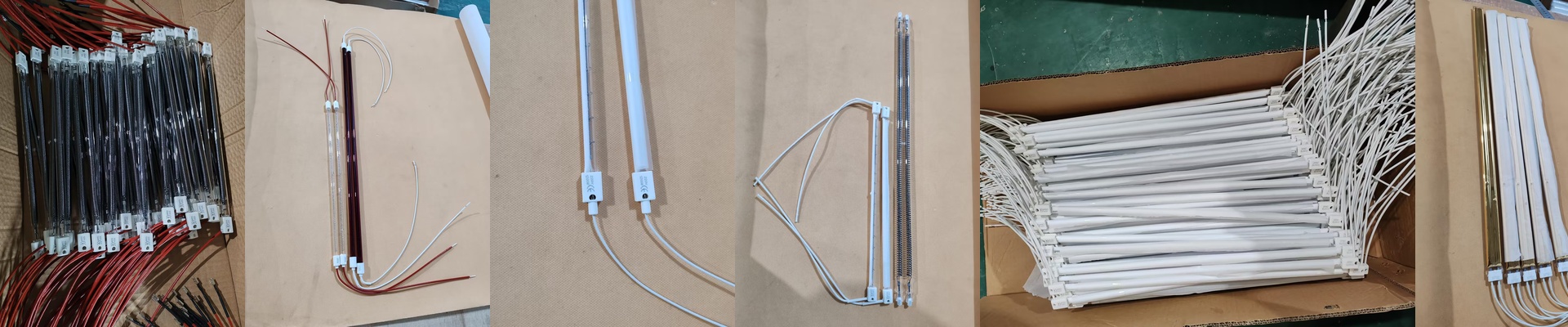
Inside the tube, the halogen cycle does its quiet work—keeping the filament stable by redepositing evaporated tungsten back where it belongs. That helps the lamp stay consistent and avoids the blackening that can dull output over time. The envelope is quartz, not regular glass, because it handles high filament temperatures and shrugs off thermal shock. It just keeps going. For hookup, we use an R7s base—double-ended, linear, and straightforward. Slide it in, line up the pins, and lock it down. It’s the kind of connection you don’t have to think twice about. The capsule is usually paired with a reflector or dichroic coating to shape the beam and manage the spectrum, pushing more energy forward and less into the fixture itself.
Heat on Demand, Where Space Is Tight
This setup shines when you need fast, localized heating on the line: preheating plastic parts, holding melt temperature in short dwell zones, or supporting drying and curing on smaller geometries. The compact size lets you put the heat exactly where the process needs it, and the radiant delivery responds quickly when you change the setpoint. Now, a heads-up: that concentrated heat means you need to manage the temperature around it. Make sure the fixture and nearby components can handle the ambient heat, and plan for airflow or shielding to protect sensors and wiring. We design the lamp to be a drop-in replacement in existing equipment, but you still need to account for the heat load in the machine as a whole.