Introduction
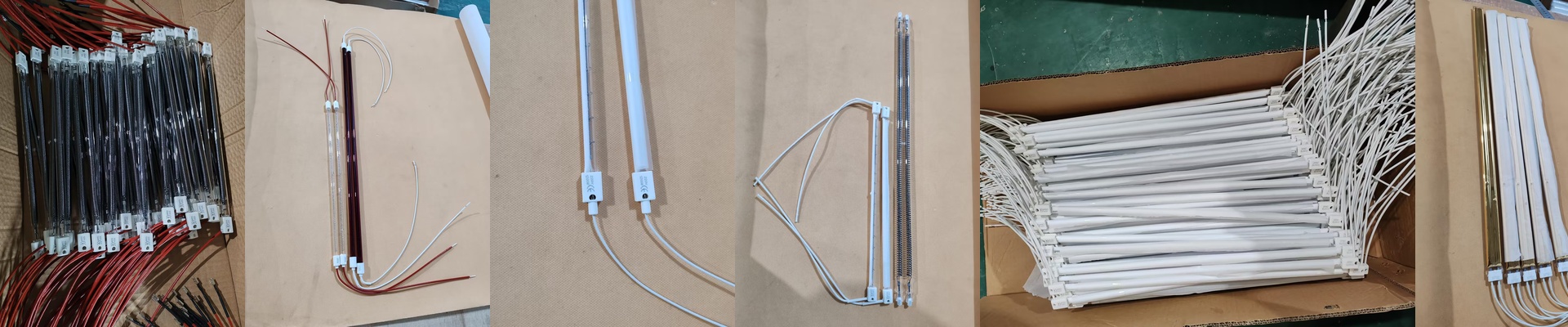
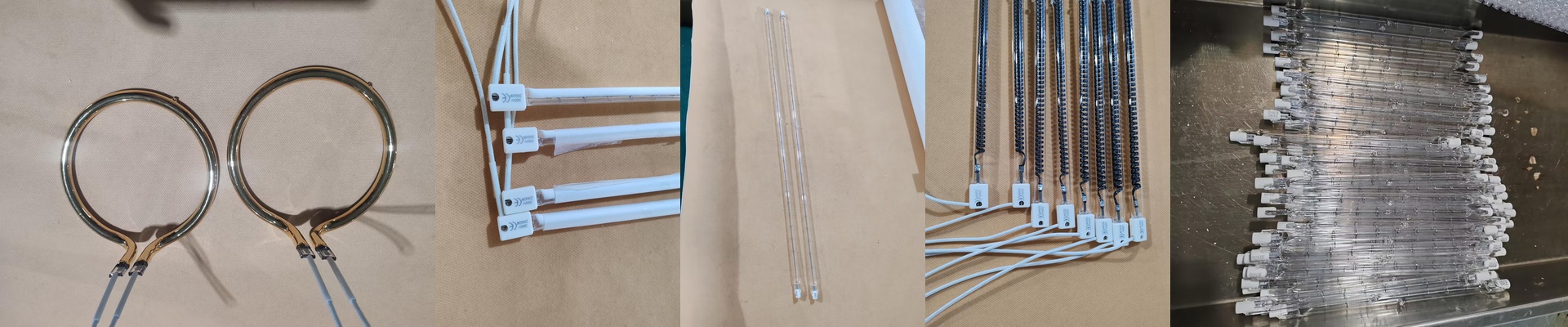
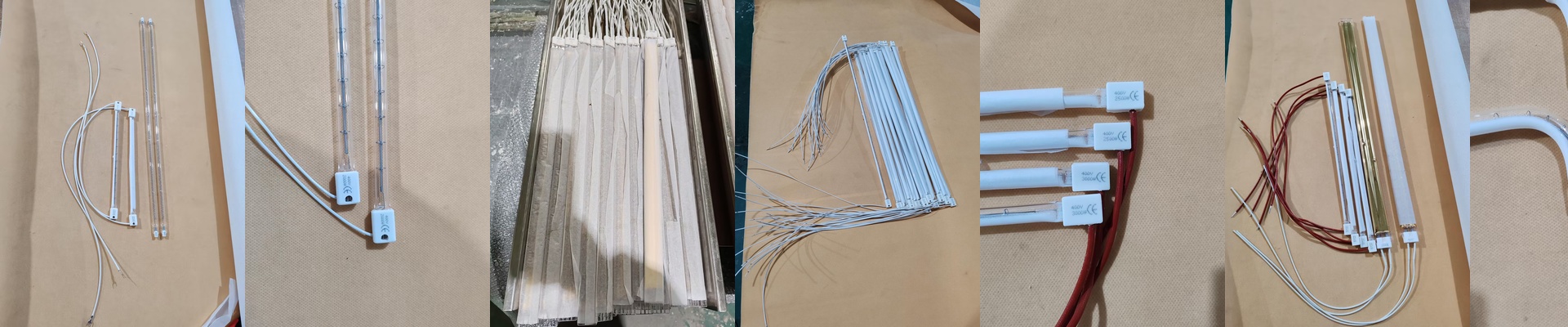
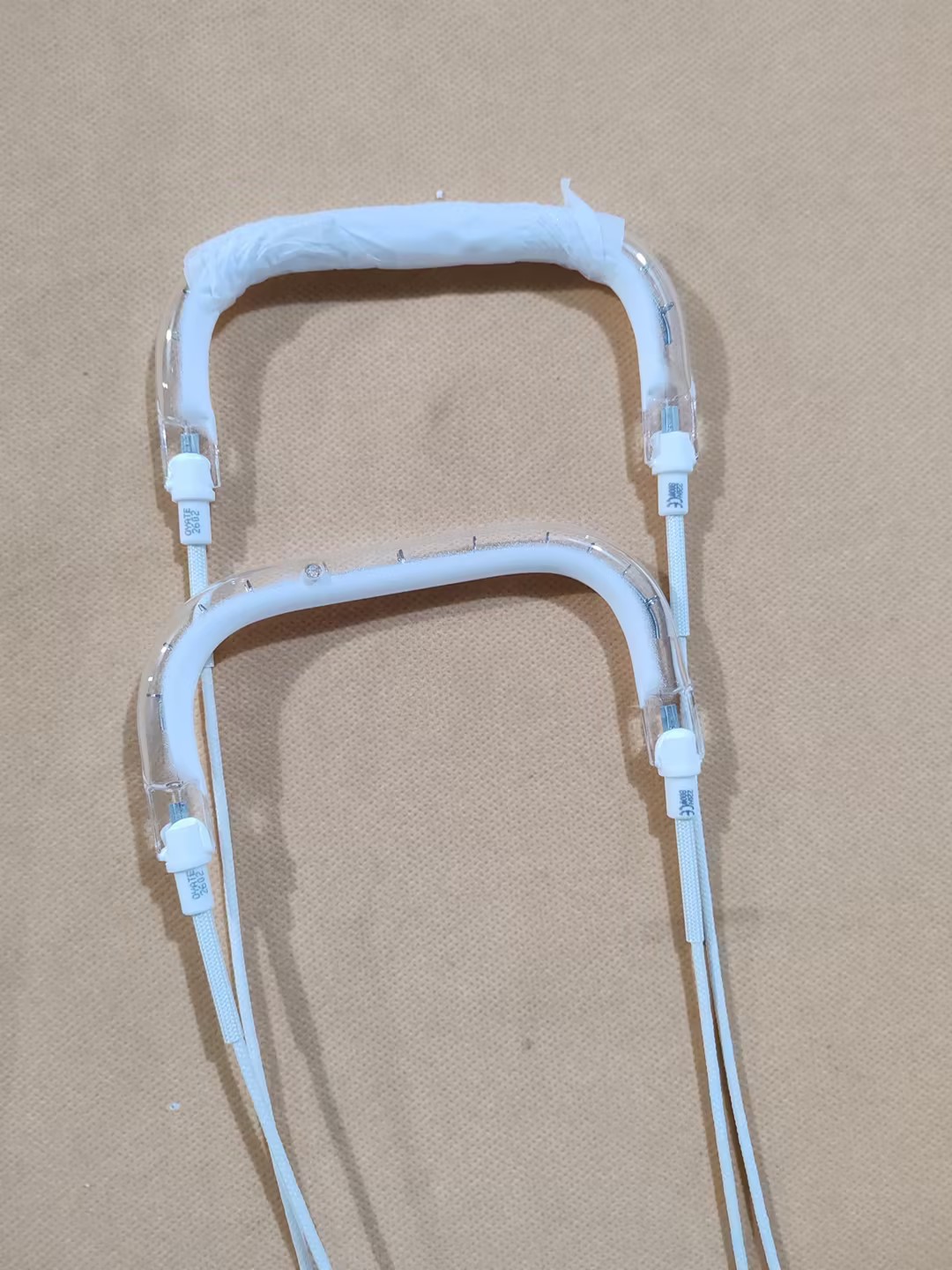
We build halogen infrared bulbs that come in 300W, 400W, and 500W—built for the kind of industrial heating work where speed and control really matter. Think: fast heat-up. Tight temperature control. And a footprint that stays small. Inside, it’s all about a quartz envelope and a halogen cycle that keeps the filament steady, shift after shift. No drama. Just dependable heat when you need it.
Getting Practical: Power That Fits the Job
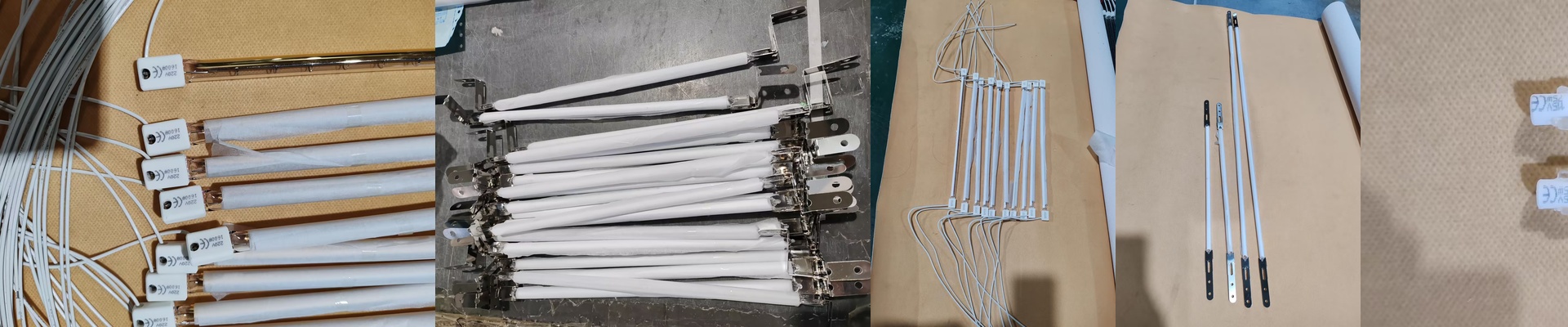
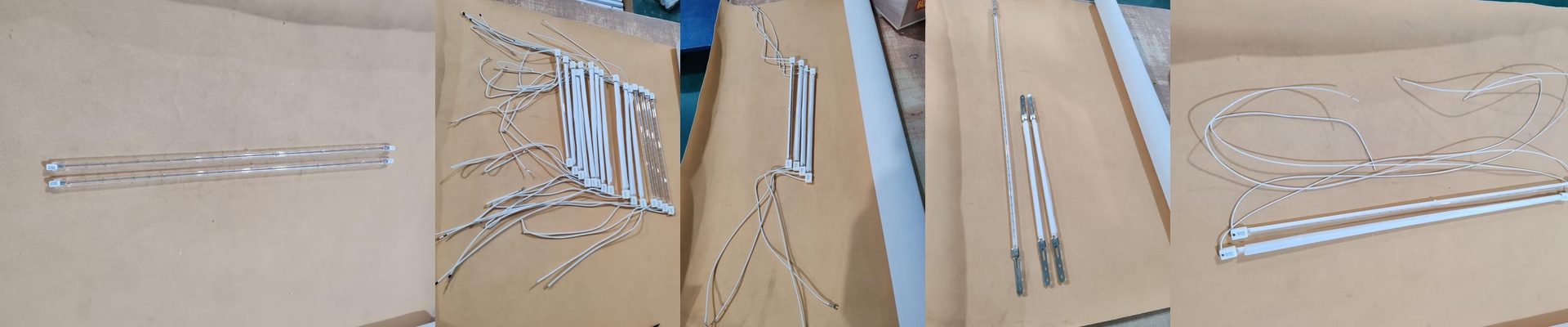
The wattage isn’t random. It’s there so you can match the heat to what you’re actually heating. Need lighter preheating? Go with 300W. Pushing heavier throughput? Step up to 500W. And the voltage? These lamps are typically rated for 230V–400V, so you can wire them straight into your plant power without hunting around for extra transformers. We also keep the physical lengths standardized. So they drop right into the reflectors and concentrator setups you already have. No redesigning the machine just to make the lamp fit.
What’s Inside—And Why It Matters
Quartz is the backbone. It handles the extreme filament temperatures and shrugs off thermal shock the way it should. Then there’s the halogen fill. It keeps the filament from blackening, so the output stays consistent over the life of the bulb. No fading heat. No surprises. Many of these units use a gold or dichroic coating to steer the energy toward the workpiece. That means less wasted heat—and more of what you paid for going exactly where you need it. And the R7s connector? Straight-pin, solid contact, quick replacement. No special tools. Just swap it in and get back to work.
Where They Shine—And What to Keep in Mind
These bulbs are a natural fit for plastic processing, curing, drying, and any spot heating that demands rapid response. They fire up fast. Deliver focused infrared heat. And install as a straight drop-in replacement. That’s the upside. The trade-off is this: higher power density means you’ve got to pay attention to reflector temperature and airflow. Make sure the fixture and cooling are matched to the wattage you choose. Do that, and you get performance that feels effortless—because everything was set up to work together.