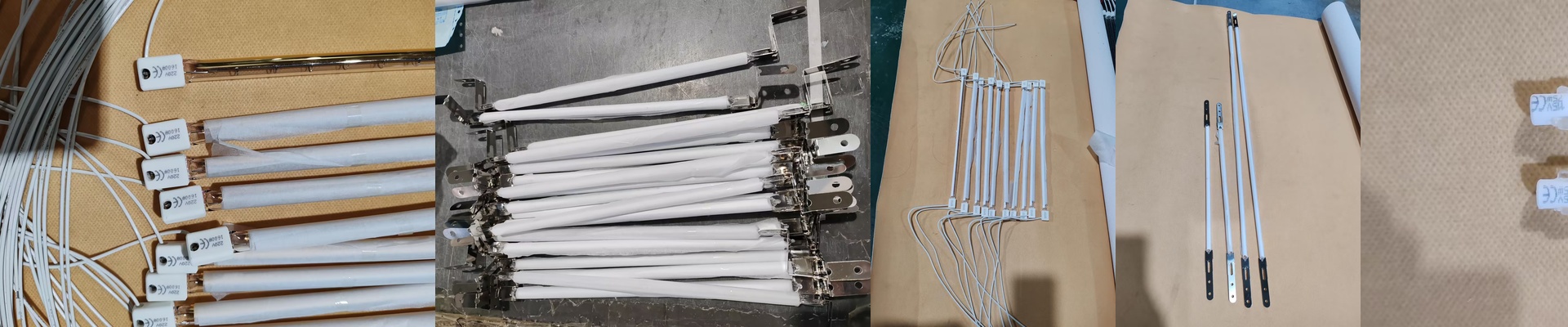
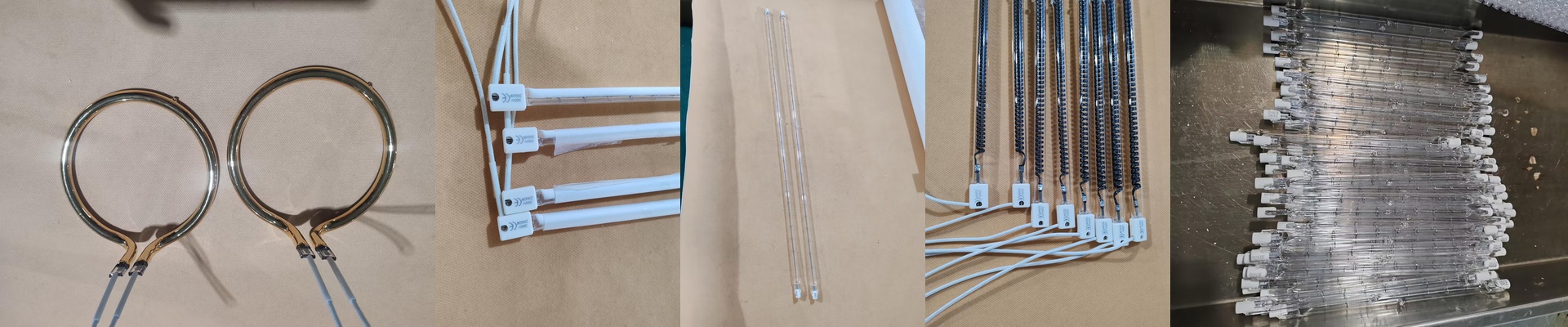
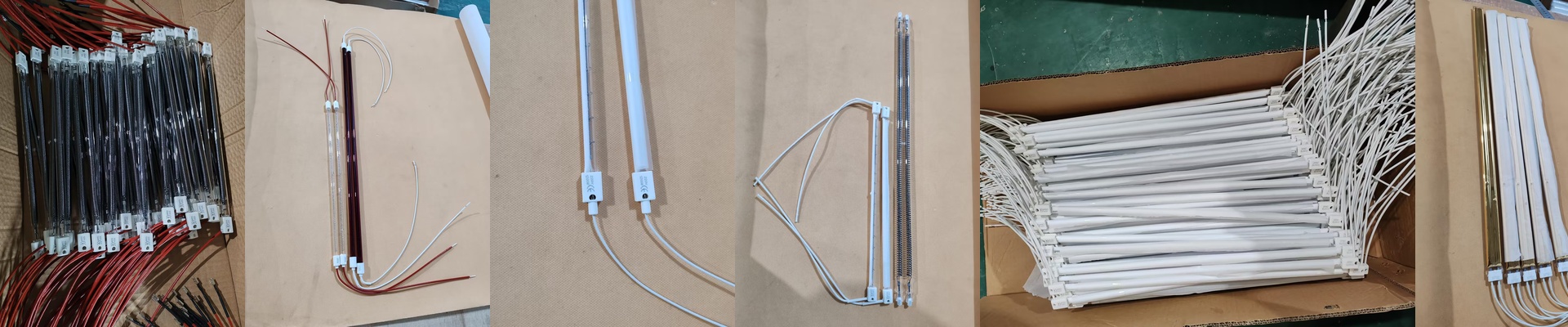
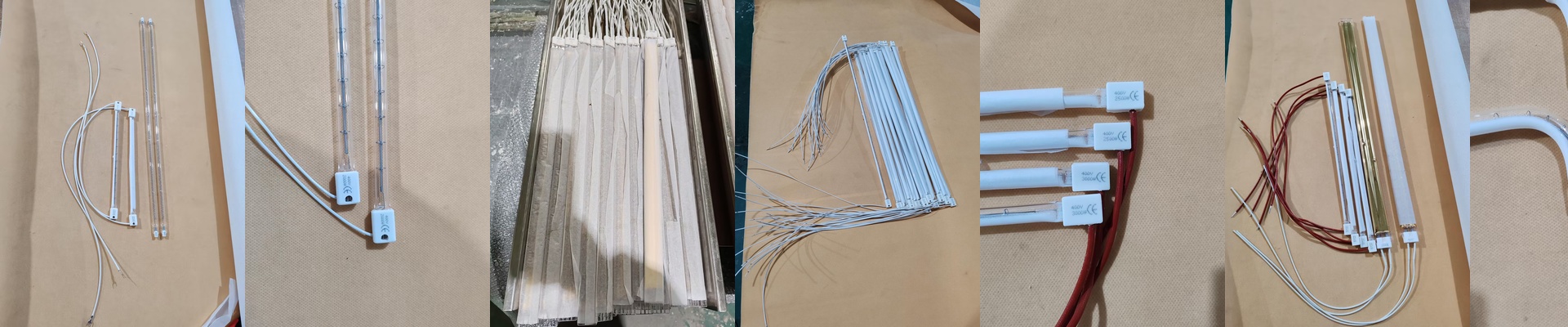
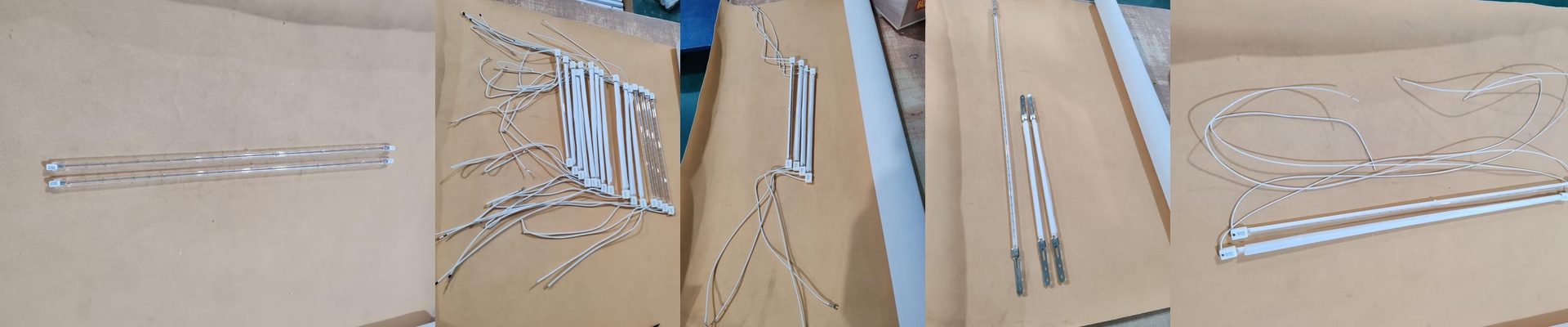
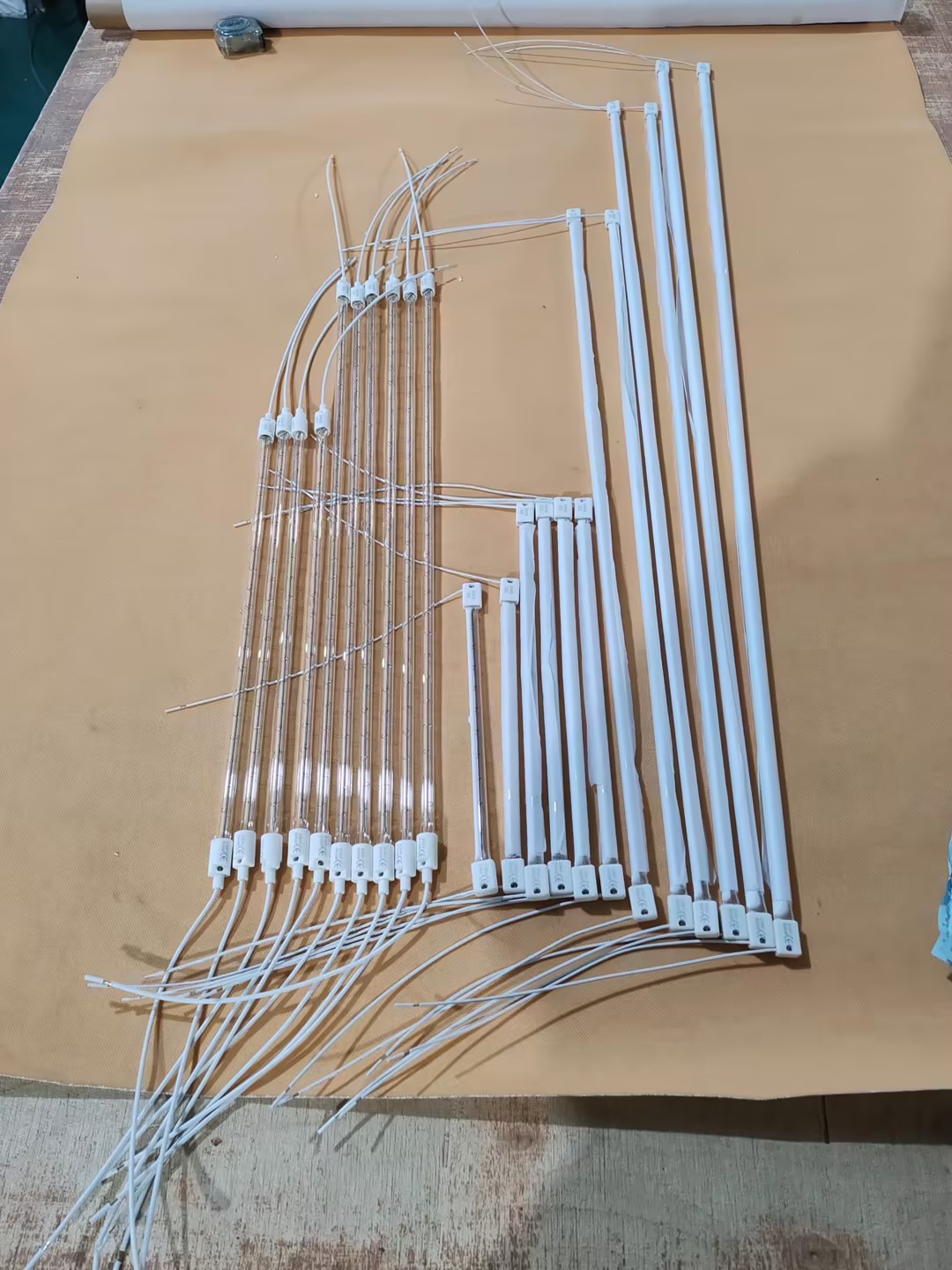
Let’s Talk About Halogen IR Lamp Tubes
Ever wonder why some heating lamps just last longer than others? It usually comes down to what’s happening inside the glass. We build our tubes with a tungsten filament tucked inside a high-purity quartz envelope, then fill the whole thing with a specific halogen gas mix. Here’s why that matters: it stops the tungsten from evaporating and gunking up the glass. No cloudy buildup means the light stays clear and the lamp keeps running way longer than a standard bulb.
Getting the Power Right
When you’re picking a tube, you’re basically balancing voltage, wattage, and length to figure out how much heat you’re actually hitting your target with. If you cram a ton of wattage into a short tube, you get a really intense heat footprint. Now, if you’re running a 400V system, things heat up fast. It’s great for a quick ramp-up, but you’ve got to make sure your power supply can actually handle it. If the voltage is off, you’re looking at two bad options: the filament pops instantly, or it never gets hot enough to actually do the job.
Quartz and Connectors
We stick with quartz because it can handle the “thermal shock” of being turned on and off rapidly without cracking. Depending on what you’re heating, you can go with clear tubes or coated ones. The coated versions are clever—they shift the heat spectrum so the energy actually absorbs into your material instead of just bouncing off. As for the plugs, we use R7s or Sk15 connectors. They’re the standard for a reason. They slide right in, fit tight, and keep the electrical connection secure so you don’t have to worry about arcing at the terminals.
The Real-World Trade-off
These lamps are the heavy lifters for things like PET bottle blowing and industrial curing. They pump out shortwave radiation that sinks into materials almost instantly. But there’s a catch. That kind of intensity puts a massive amount of stress on your reflectors and the housing around the lamp. If your cooling fans aren’t up to the task, your other components will start to warp. You get all the heat you need, but you’ve got to make sure your machine can breathe, or you’re just melting your own gear.