500W Halogen Lamp: Specs, R7s Installation, and What It Really Costs
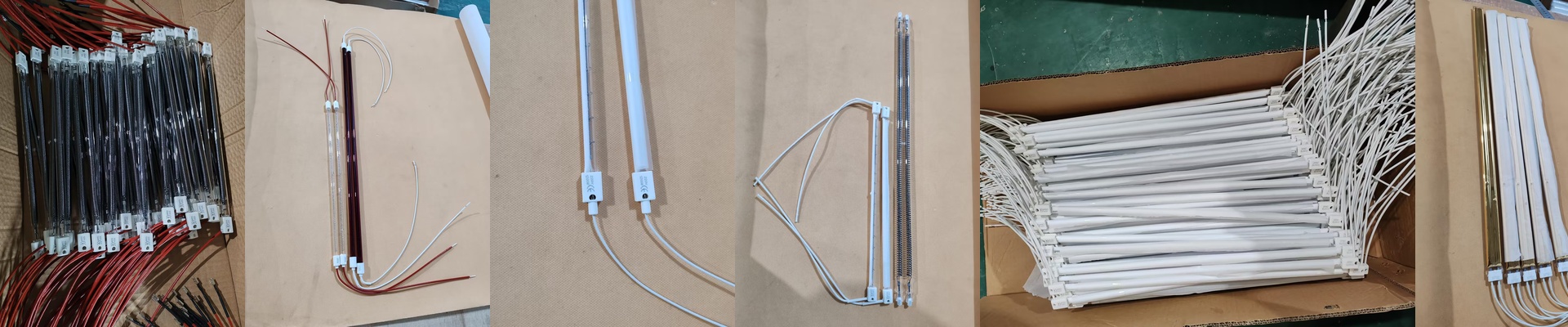
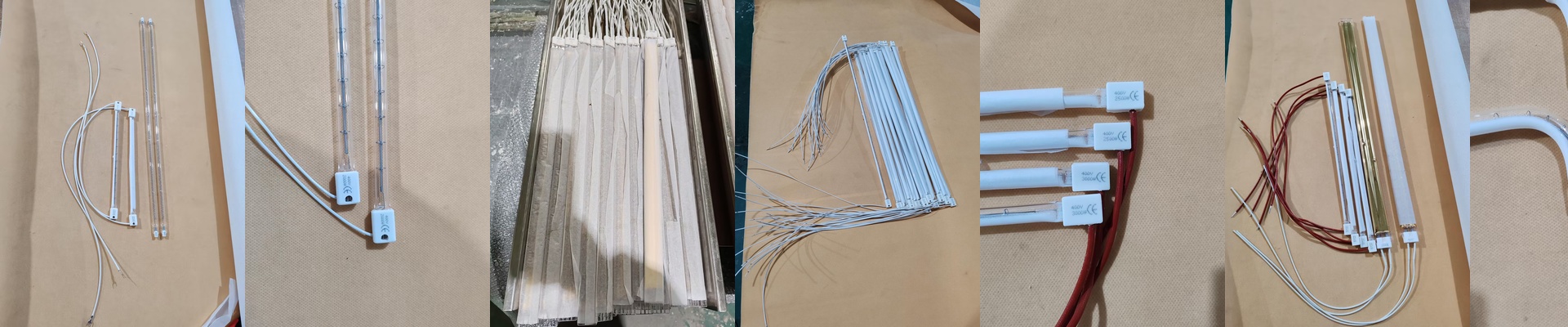
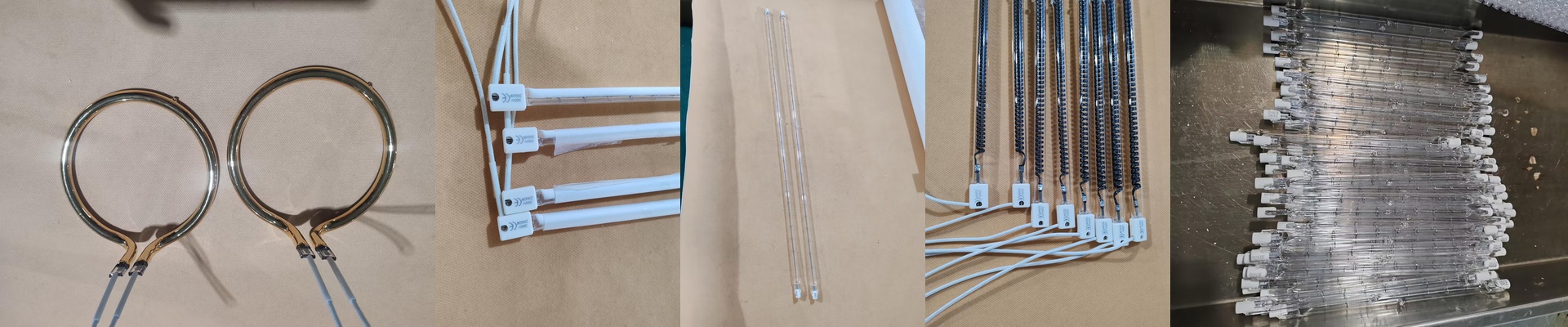
A 500W halogen lamp is basically a compact powerhouse—small in size, big on heat. It’s the kind of lamp you reach for when you need serious, focused heat in one spot, not a slow burn that warms up the whole room. Think industrial heating, drying a process line, or powering equipment that needs infrared heat on demand. It’s all about control.
Power, Voltage, and Fit: The Practical Stuff
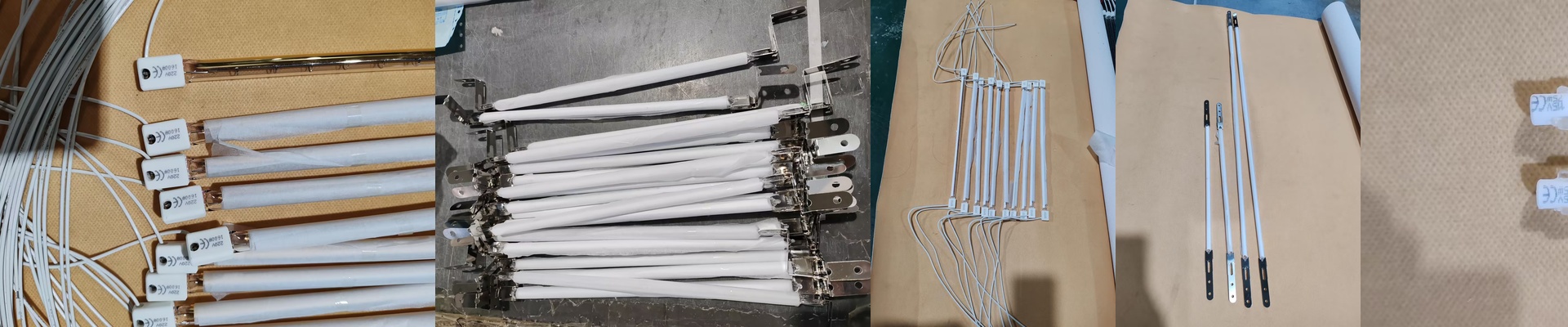
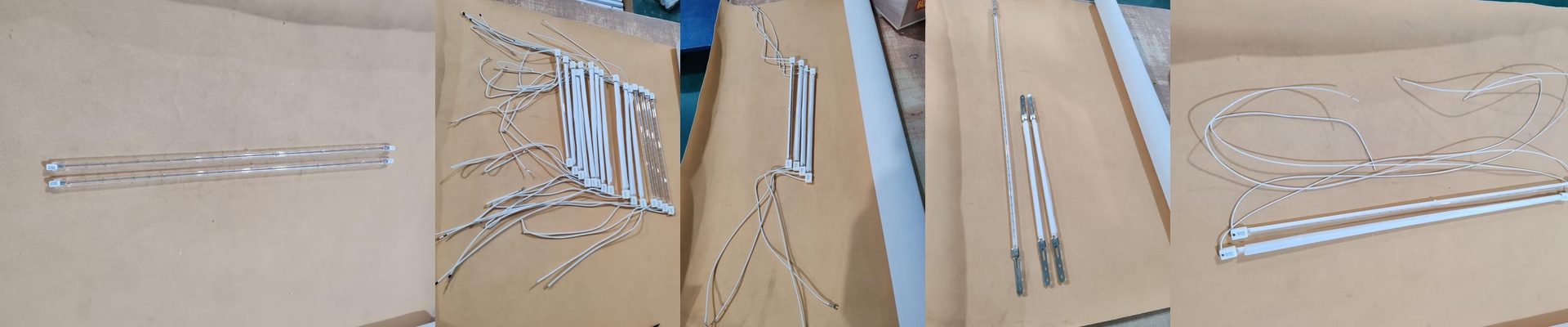
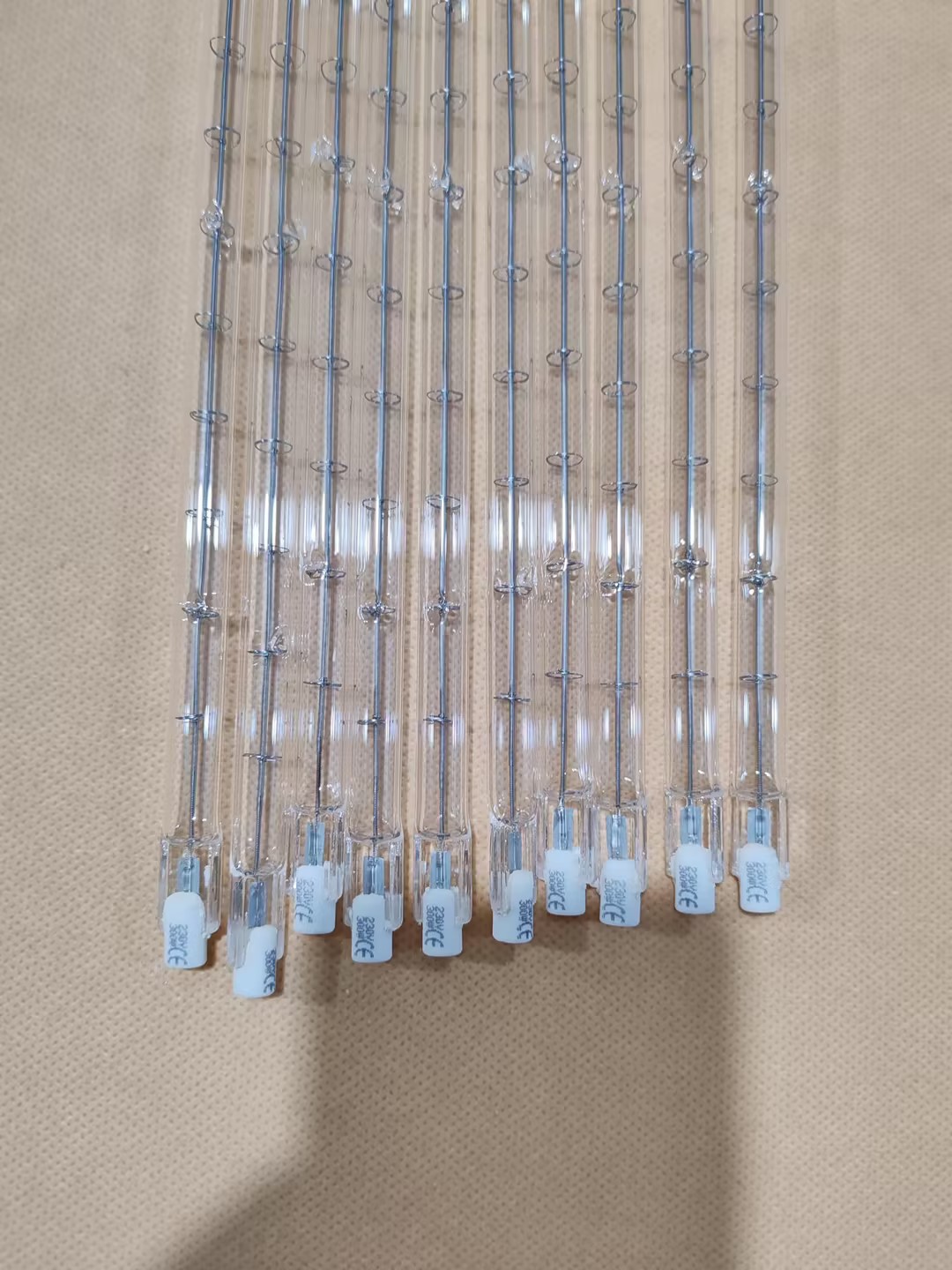
That 500W rating means you get a lot of heat packed into a tight space. It heats up fast, and it responds the moment you flip the switch. But you’ve got to match the lamp voltage to your setup. You’ll commonly see 120V and 230V options. Get it wrong, and you risk underpowering the filament or putting too much stress on your ballast and wiring. Then there’s the physical fit. Length and tube diameter matter—they decide whether the lamp sits right inside your reflector and fixture, and whether the heat lands where you want it. If you’re swapping out a lamp, measure the cavity first. It saves a lot of head-scratching.
What’s Inside: Halogen Cycle, Quartz, and the R7s Base
The halogen cycle is the quiet hero here. It helps keep the quartz envelope cleaner for longer by pulling evaporated tungsten back onto the filament. That means more stable light output and a longer life than you’d get from a standard incandescent. The quartz tube itself is built for heat. It handles high temperatures and passes infrared efficiently, which is why it can run and run without folding under continuous duty. And the R7s base? It’s a double-ended linear connector that locks in securely. It’s built to hold steady even when there’s vibration, and it makes replacement quick—so you can get back to work without a lot of downtime.
Why You’d Use It: Heat Where You Want It
We lean on 500W halogen lamps when we need intense, localized heat—spot heating, sealing, curing, drying. The response is fast, and the output is predictable, especially when you pair the lamp with the right reflector and temperature controls.
What Drives the Price
Price comes down to a few things: voltage rating, build quality, rated life, and any certifications. Spend a little more and you often get tougher quartz and a filament that’s better supported. That can mean fewer burnouts and fewer surprise replacements. But here’s the catch: all that heat density needs proper ventilation and thermal management. Make sure the fixture can handle it, or you risk overheating nearby parts.