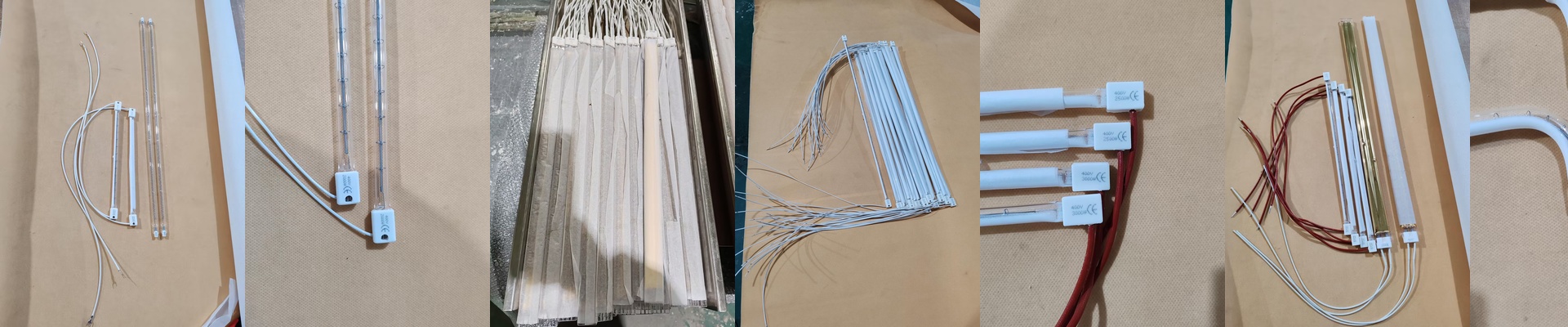
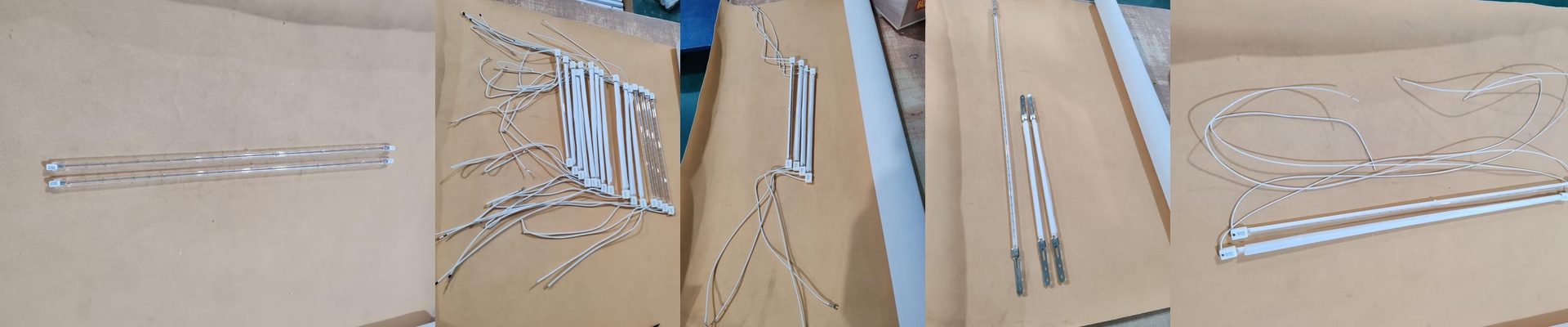
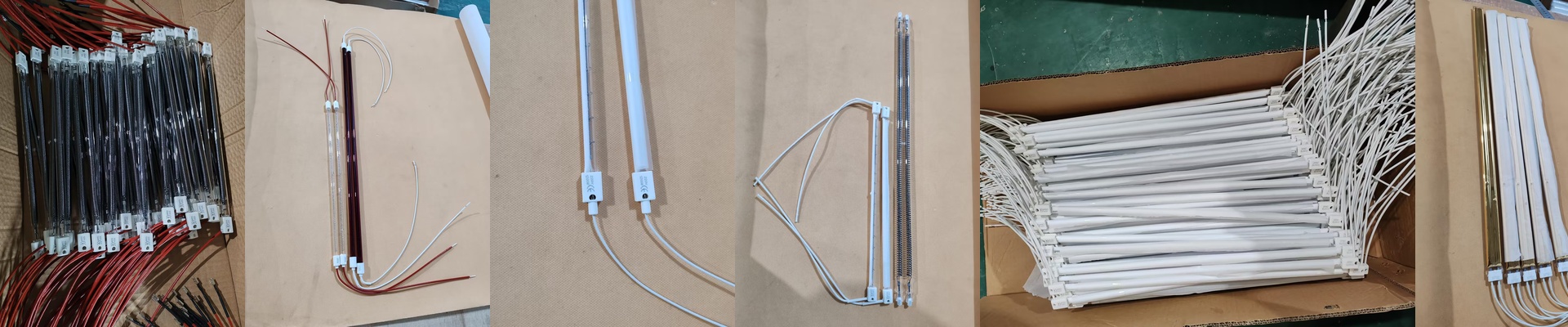
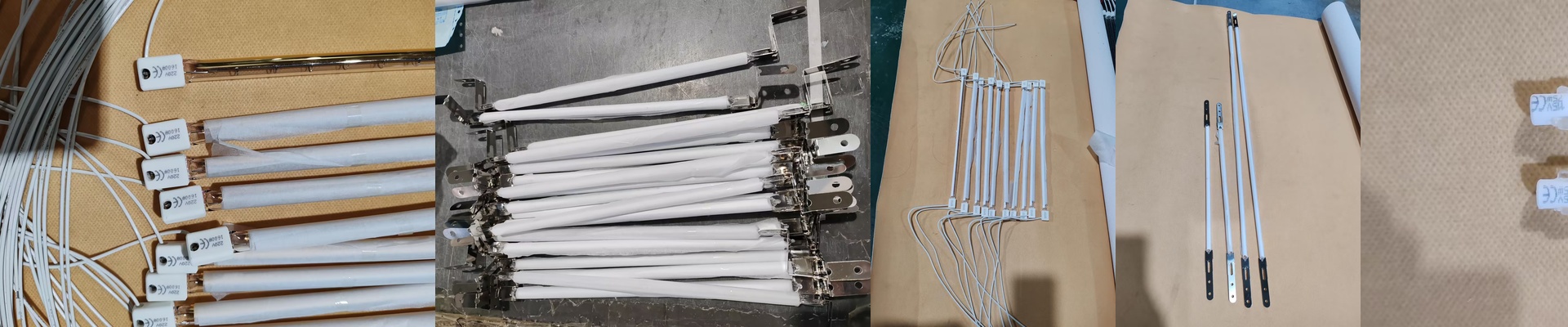
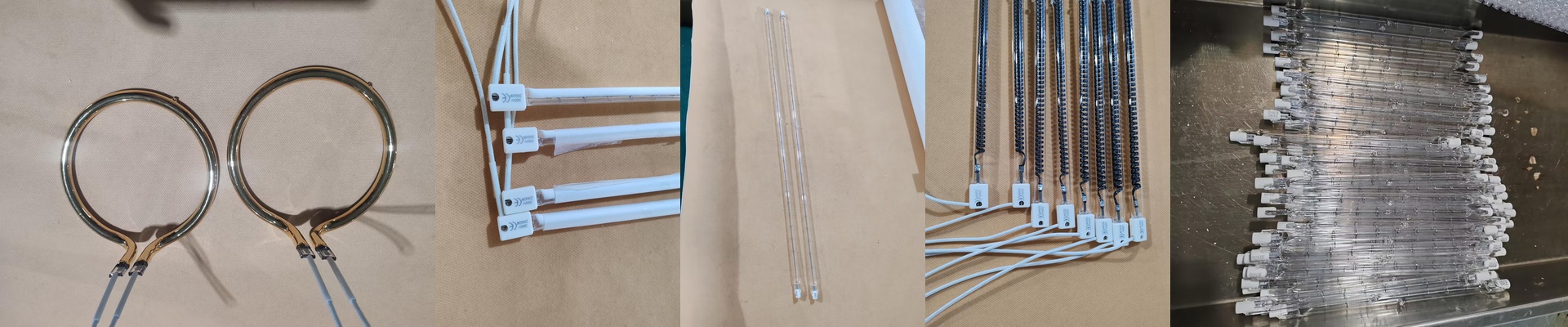
Let’s Talk About Shortwave Halogen Heating
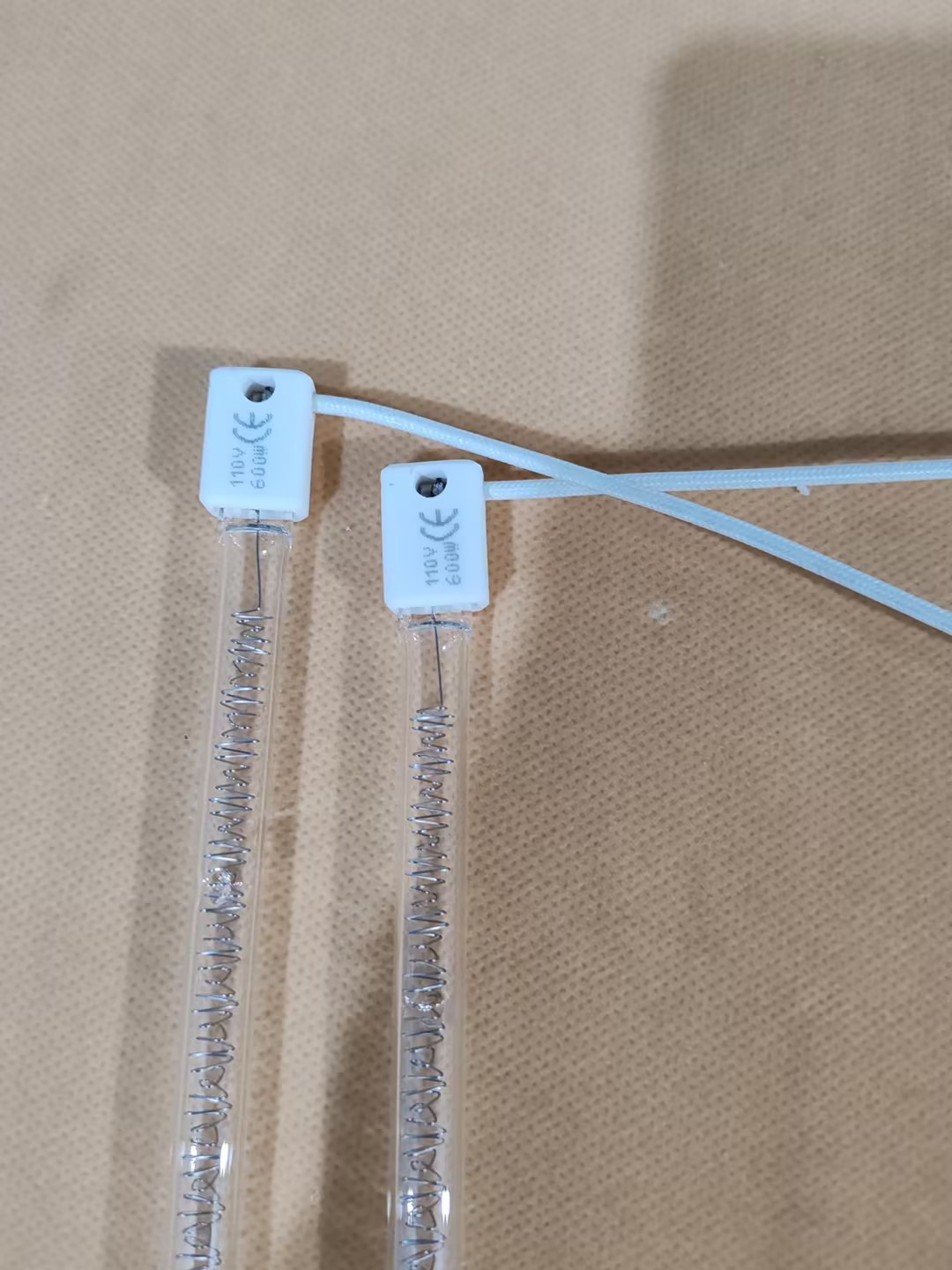
Ever wonder how these halogen lamps actually work? It’s pretty simple. You’ve got a tungsten filament tucked inside a quartz tube. Now, if you just left it at that, the filament would burn out way too fast. So, we add a bit of halogen gas. This creates a little loop where the tungsten deposits actually move back onto the filament. It keeps the lamp running longer without sacrificing that intense, searing heat you need. Getting the power right When you’re picking out your lamps, keep an eye on the wattage-to-length ratio. That’s what controls your heat flux. These things pump out infrared energy that cuts through materials much faster than those old long-wave heaters. But here’s the thing: you’ve got to match your voltage. Whether you’re running 230V or 400V, make sure it fits your power supply. If you get it wrong, you’re just asking for a premature burnout. Plus, going with a higher voltage usually lets you use longer tubes without worrying about the power dropping off at the end of the circuit. The hardware side of things We use high-purity quartz for the tubes. Why? Because it doesn’t freak out when the temperature jumps (thermal shock) and it lets the shortwave radiation fly right through. Depending on how your machine is set up, you’ll probably be using R7s or Sk15 connectors. They’re standard, so they just drop right in and keep the electrical connection tight. You might even see some with special coatings. These reflect the heat back toward your part, which saves energy. Just a heads-up, though—those coatings can bump up the internal pressure inside the tube. Putting it into practice You’ll see these all over the place in PET blowing and plastic curing. They hit the target temp in seconds.**It’s fast. Really fast.**And that makes your cycle times a lot shorter. But wait—don’t forget about the heat. Because the energy is so concentrated, your cooling fans and heat shields need to be up to the task. If your airflow gets blocked, you’re looking at warped quartz or melted connectors. Just make sure everything is wired up tight. You don’t want any arcing at the terminals.