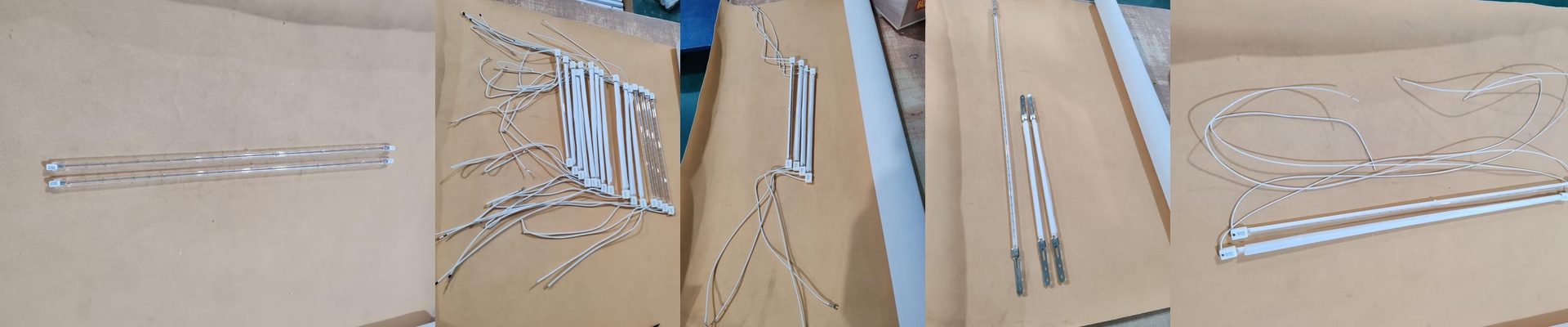
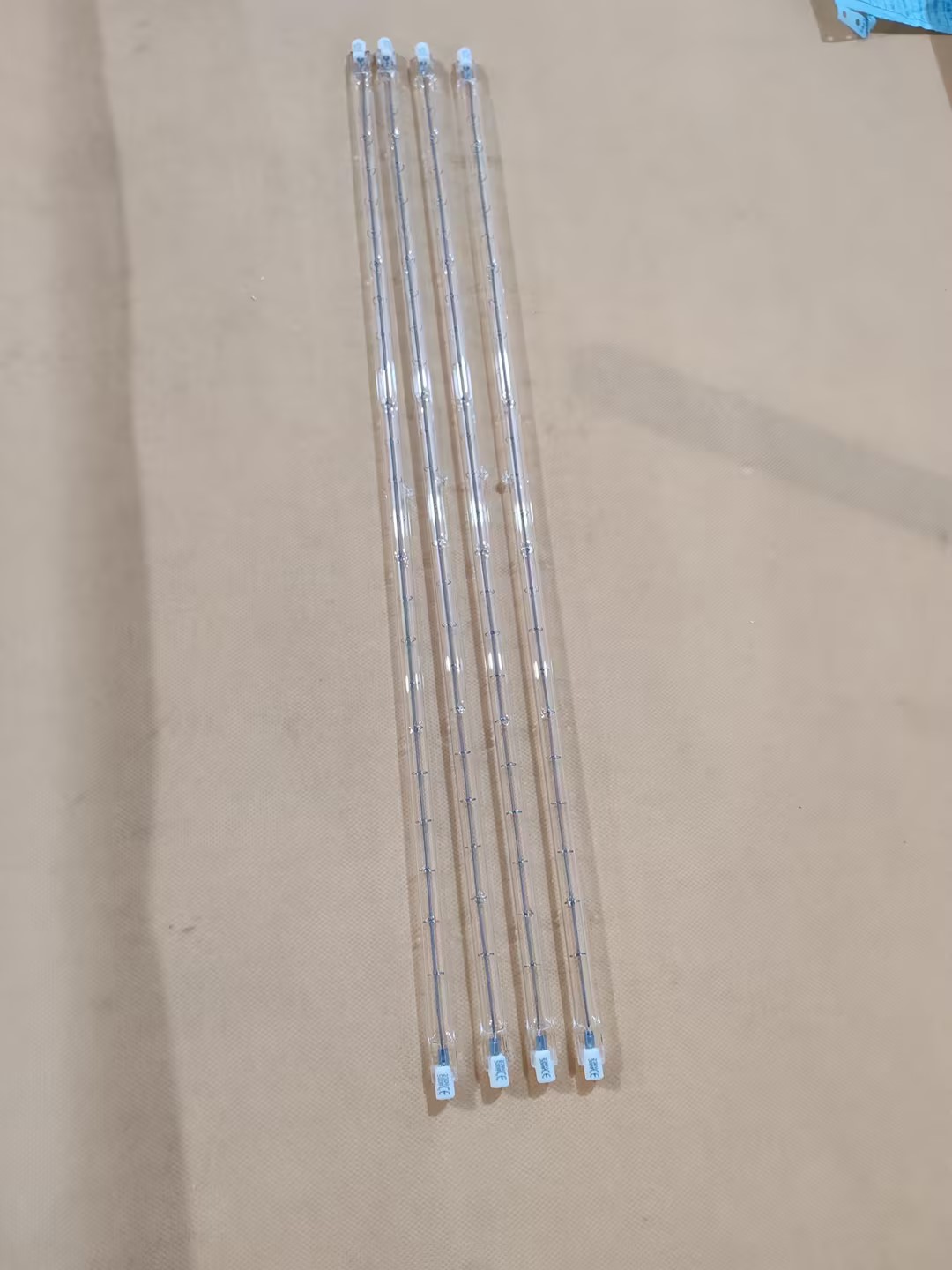
Let’s Talk Quartz Halogen Heating Elements
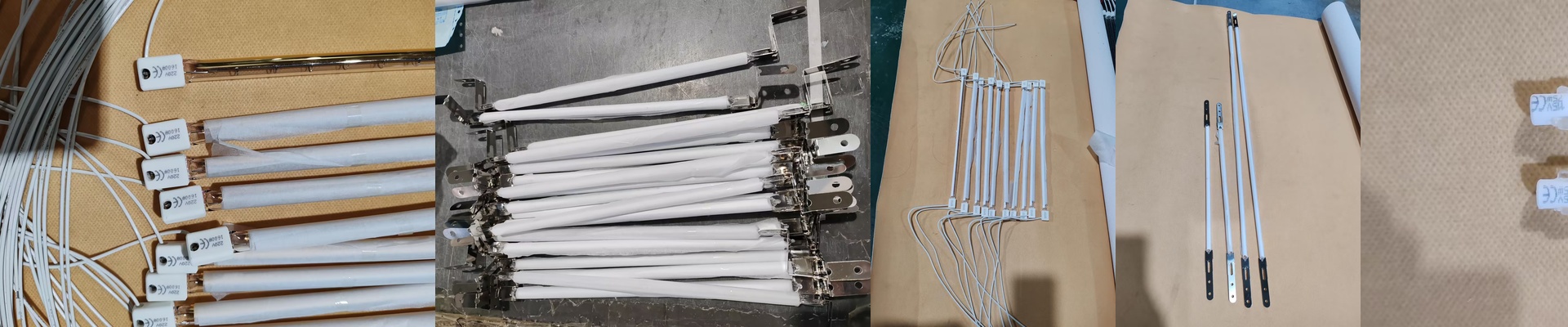
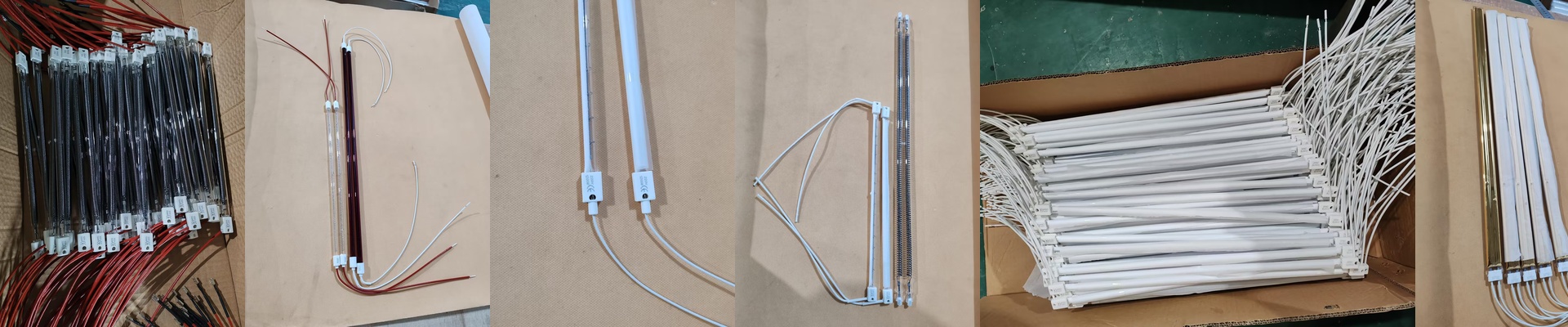
Ever wonder why some heaters just hit different? That’s the magic of quartz halogen lamps. Basically, we take a tungsten filament, tuck it inside a high-purity quartz tube, and pump in a specific halogen gas mix. This isn’t just for show. The gas stops the filament from evaporating too fast, which means the lamp lasts longer and can handle way more heat than your average quartz tube.
Getting the power right
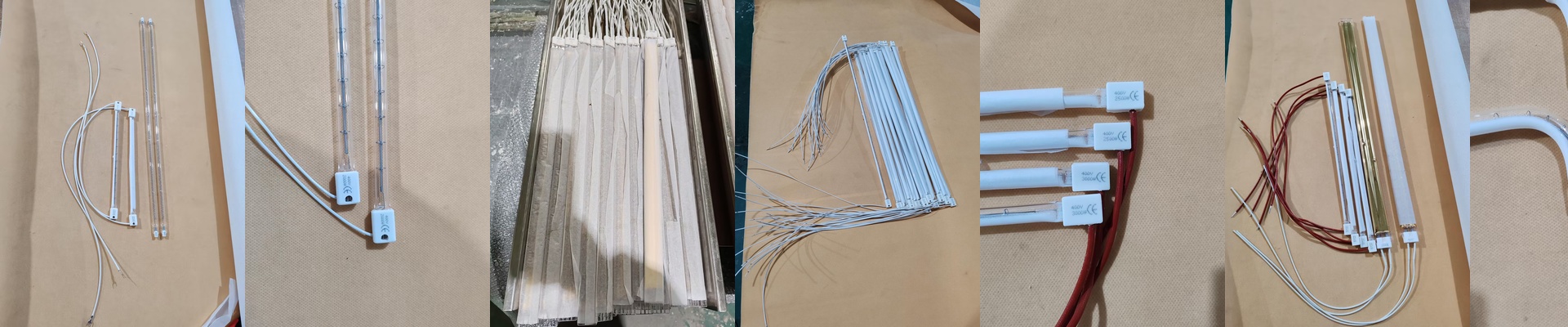
We build these in a bunch of different wattages and voltages because every factory setup is different. Take a 400V setup, for example. If you’ve got a 300mm tube, that high voltage lets you push a ton of power through without blowing a circuit. You get this incredibly concentrated blast of heat. It’s a lifesaver for things like PET blowing, where you need that plastic to soften in a heartbeat. Just a heads-up: if you crank the wattage too high in a tiny space, your housing is going to sweat. You’ll need some serious cooling, otherwise, your reflectors will start to warp.
The build and the fit
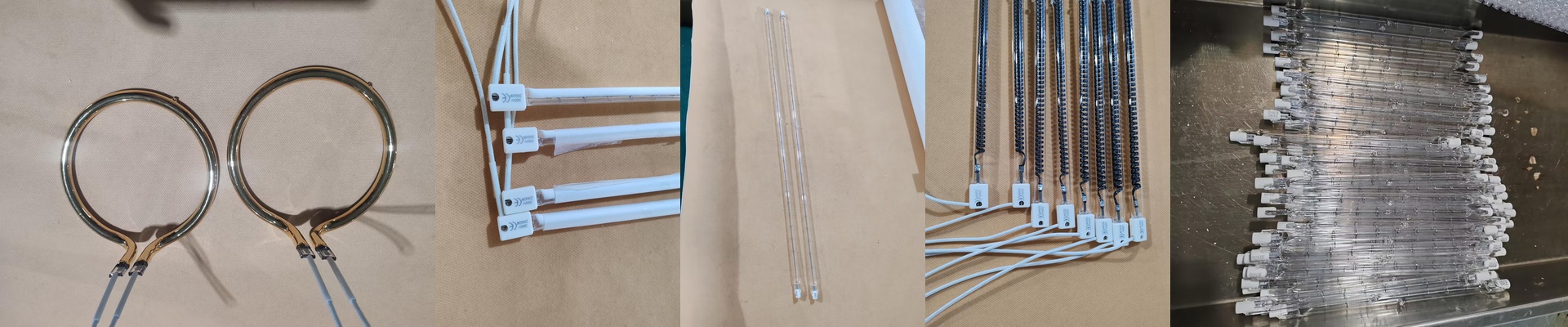
The quartz glass is the secret sauce here. It doesn’t soak up the heat; it just lets the infrared radiation fly right through. Depending on what you’re doing, we can coat the glass to shift the heat spectrum or keep gunk from sticking to it. When it comes to plugging them in, we stick with R7s or Sk15 connectors. Why? Because they just work. They’re easy to swap out and they lock in tight. You don’t want your heating element rattling loose while the machine is humming along at full speed.
Using them in the real world
These things are built for the “on-off-on-off” life. They heat up fast and cool down just as quickly. You’ll mostly find them in shrink tunnels, curing ovens, or plastic forming. Since they use shortwave infrared, the heat actually sinks into the material instead of just scorching the surface. Plus, you can wire them in banks if you need different temperature zones. One last thing—and this is a big one.Do not touch the glass. Quartz hates oil. Even a single fingerprint from your skin creates a hot spot. If that happens, the tube will likely burn out way sooner than it should. Handle them with care, and they’ll take care of you.