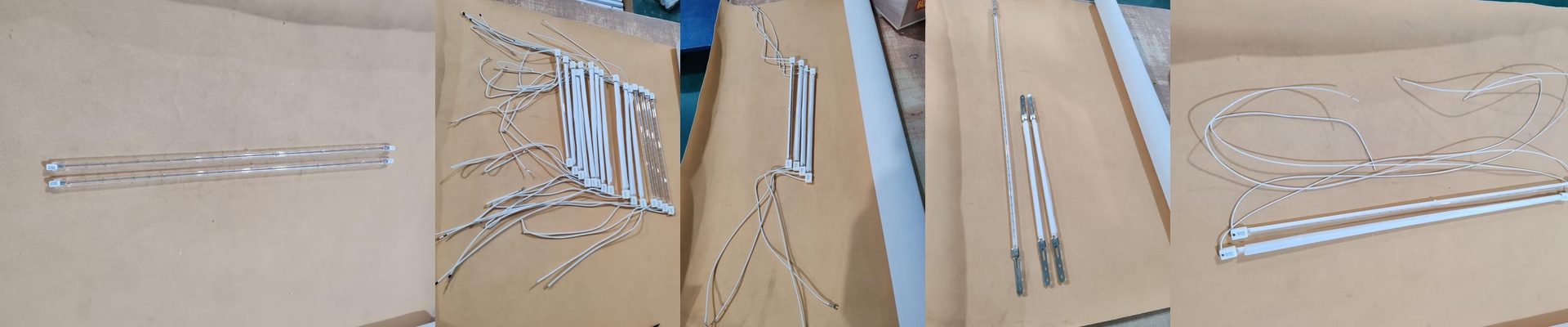
Let’s Talk About Industrial Halogen Heat Tubes
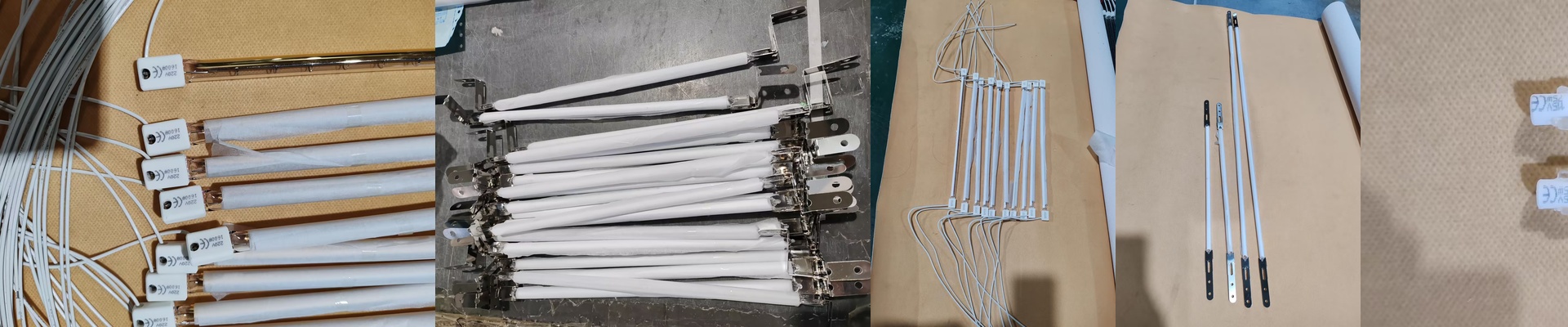
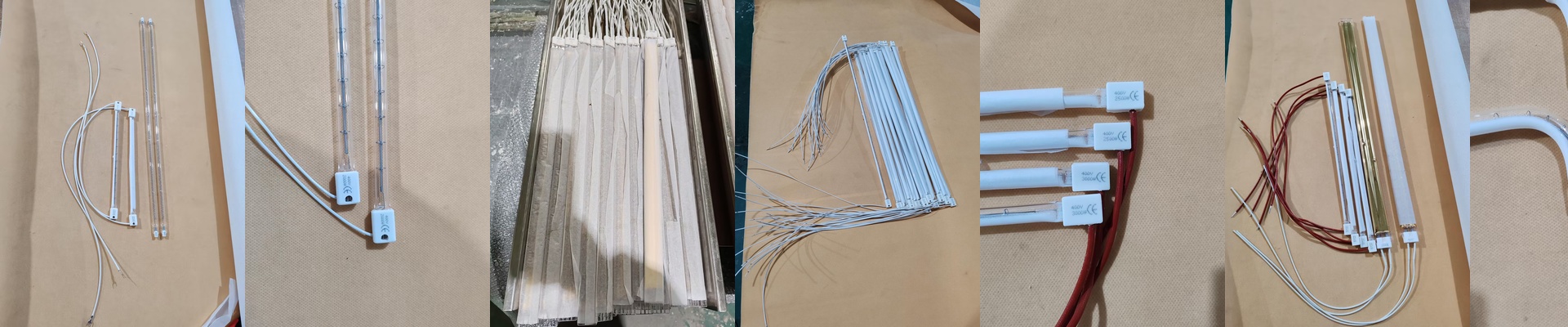
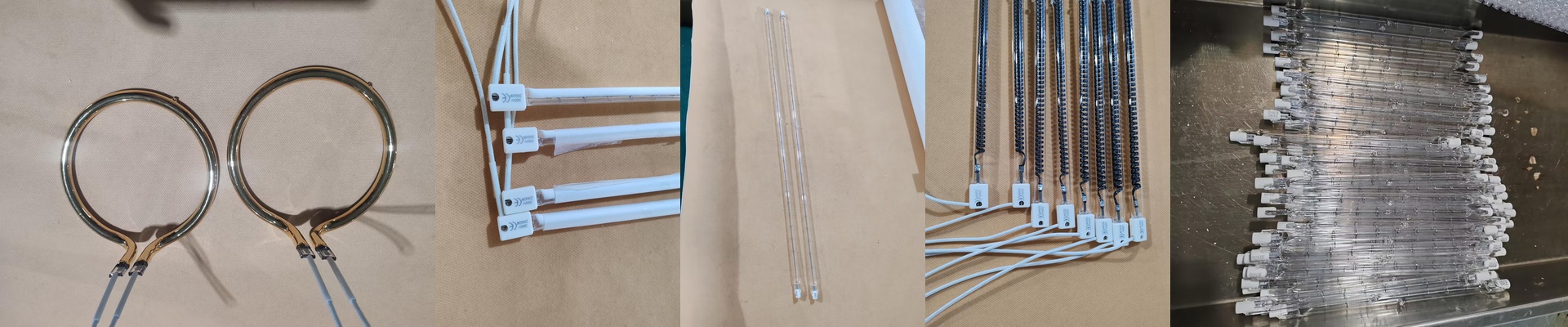
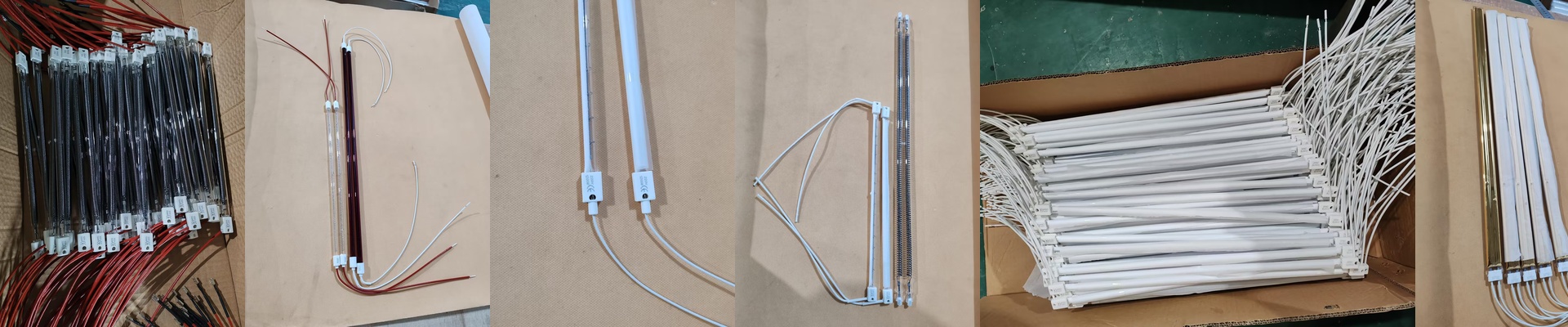
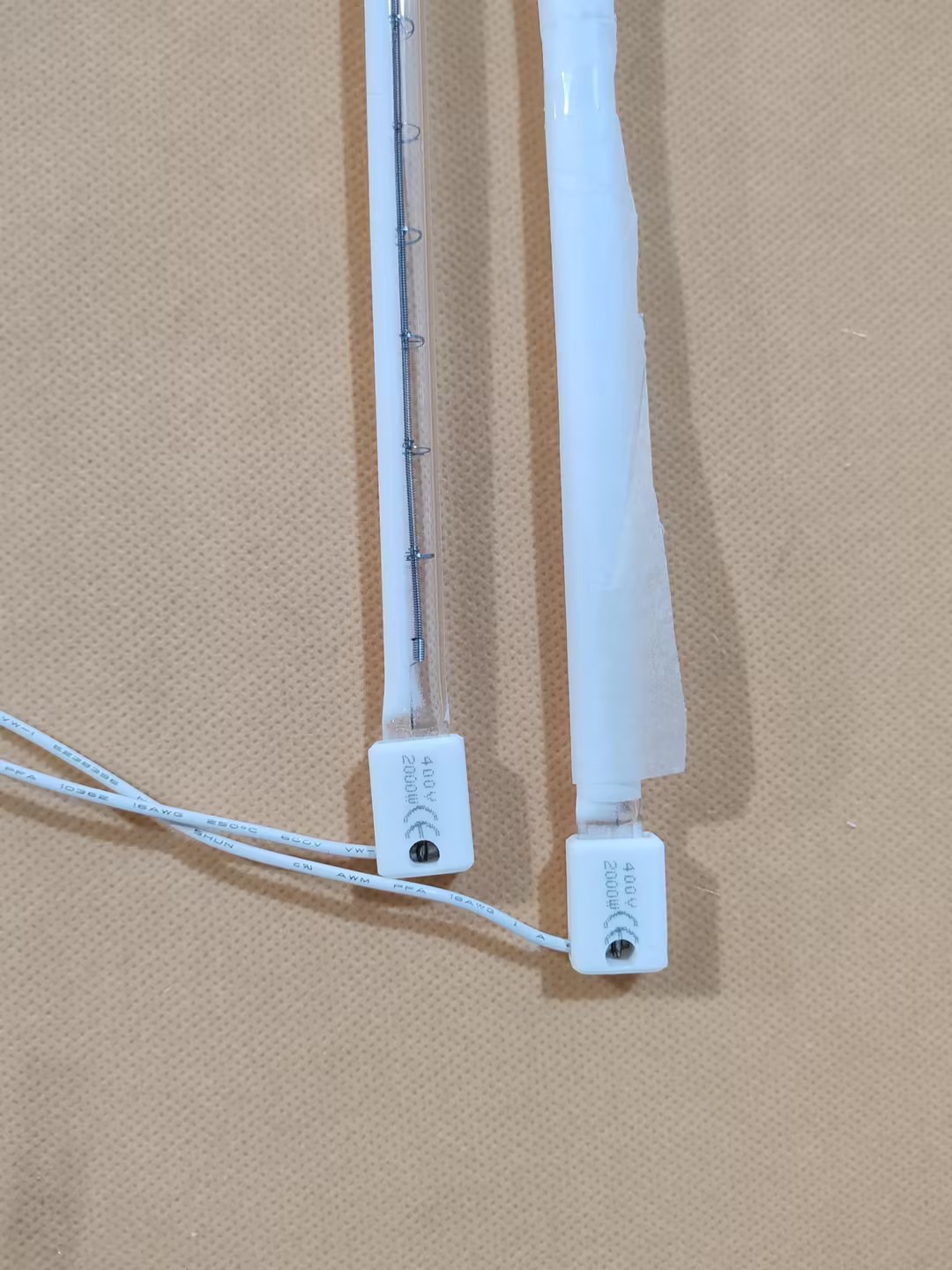
If you’ve ever needed to get something hot—and get it hot fast—you’ve probably run into halogen heat tubes. At their core, these are basically high-intensity infrared emitters. We build them with a tungsten filament tucked inside a quartz envelope and fill the whole thing with a specific halogen gas mix. Here’s the trick: that gas stops the filament from evaporating too quickly. It pushes the heat back into the center of the tube, which lets it run at much higher temperatures without burning itself out immediately. The deal with power and voltage When you’re picking a tube, you have to look at the relationship between voltage and wattage. That’s where your heat density comes from. If you take a high-wattage tube (we’re talking 2000W+) and squeeze it into a short length, you get an intense blast of infrared heat. It’s perfect for those jobs where you need to hit your target temp in a matter of seconds. But a word of warning: keep your power supply stable. If you get a voltage spike, that filament is gone. Poof. The build and the bits We stick with quartz glass because it can take a massive thermal shock without cracking. Depending on what you’re heating—plastic or metal—we can add coatings to shift the emission from shortwave to medium-wave. It’s all about getting the right kind of heat for the material. As for the connections, we usually go with R7s or Sk15. They’re simple, drop-in replacements for most industrial ovens. They fit tight, so you don’t have to worry about the tube vibrating loose while the machine is humming along. Real-world use (and the catch) You’ll see these all over the place in PET blowing and shrink-wrapping. The shortwave radiation is great because it sinks right into the material. It heats the core of the plastic without scorching the outside. It’s a lot of power in a tiny package. But there is a trade-off. That kind of heat puts a lot of stress on your reflectors and housing. If you don’t get your cooling fans sorted, you’re looking at a warped machine frame. It’s a powerful tool, but you’ve got to give it room to breathe.