Why your IR lamps aren’t doing what the datasheet says
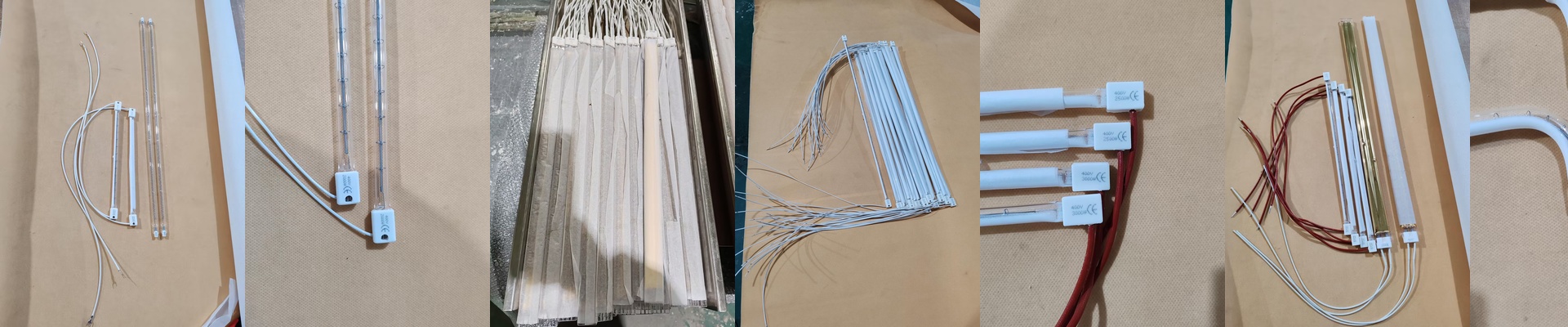
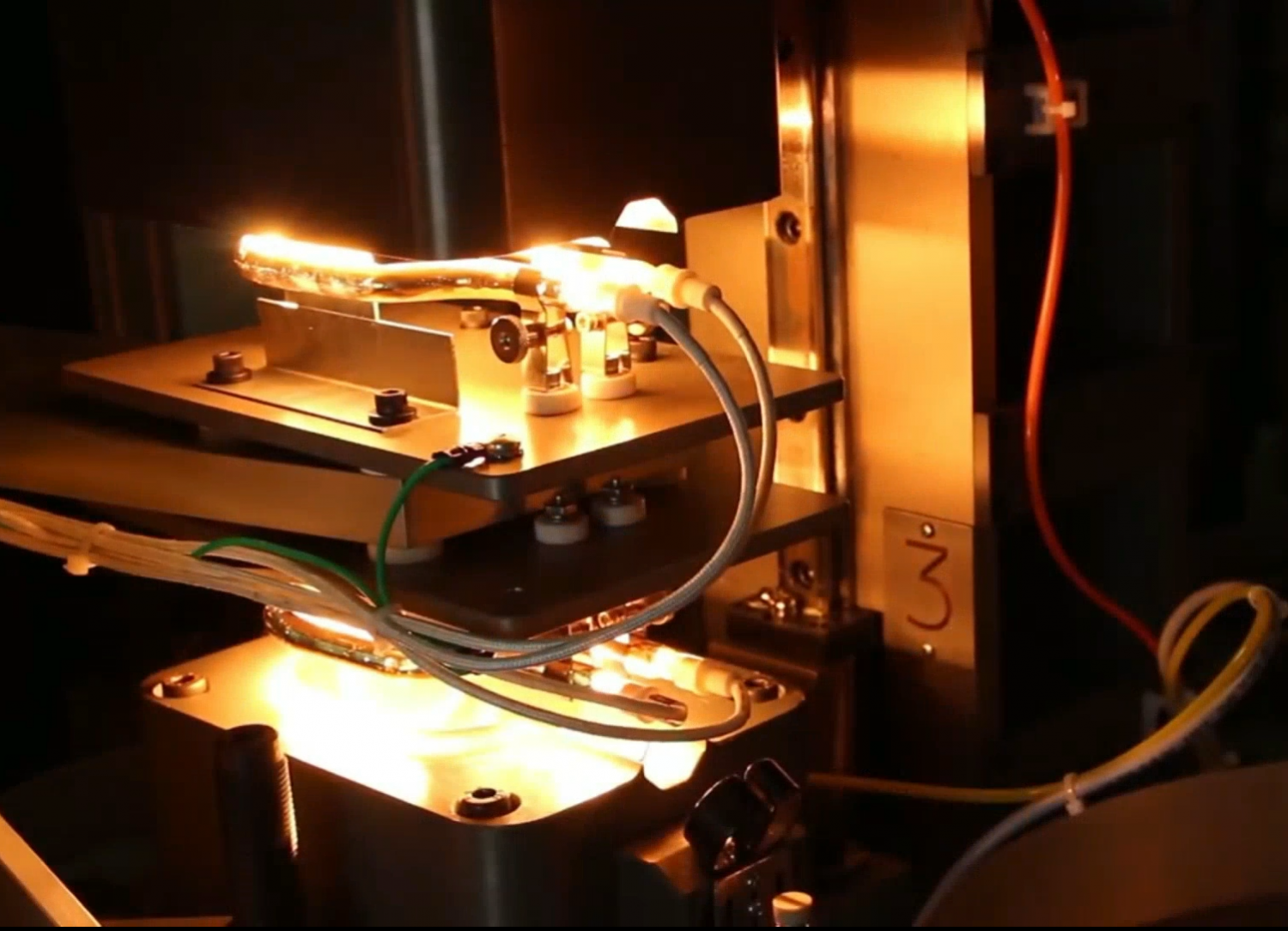
Here’s a secret about spec’ing out infrared lamps: the voltage and wattage on a piece of paper don’t tell the whole story. I’ve seen two lamps with the exact same specs produce completely different results once they actually hit the shop floor. It’s frustrating. To get it right, you have to look at two things that actually matter: how fast they heat up and how even that heat is. The race to the target temperature Think of the thermal rise curve as the “sprint” of your lamp. It’s just a measure of how quickly the lamp hits its goal temperature. If you’re doing high-speed PET blowing or shrink wrapping, you need that heat now. A slow climb means your cycle times drag, and you’re losing money every minute. But you can’t just crank it up blindly. If the heat hits too aggressively, you’ll end up scorching your material. It all comes down to those few critical seconds it takes to reach the set point. The headache of “cold spots” This is where a lot of suppliers drop the ball. You’ll often find tubes that have weird cold spots near the ends or a scorching hot center. Usually, it’s because the filament wasn’t wound right or the quartz isn’t pure enough. The result? Your parts warp. Some areas cure perfectly while others stay tacky. It’s a nightmare for quality control. We try to keep that thermal profile flat, so your product gets the same amount of energy whether it’s sitting in the middle or off to the side. The hidden trade-off There’s a catch, though. High heat density gets you that lightning-fast ramp-up, but it puts a lot of stress on the connectors and the quartz envelope. If you try to squeeze max wattage into a tiny footprint, you’ve got to make sure your cooling fans can actually keep up. Otherwise, your lamp holders might literally melt. If you’re not sure how your current setup is performing, just send us your tubes. We’ll run a side-by-side test, plot the curves, and show you exactly where the gaps are.