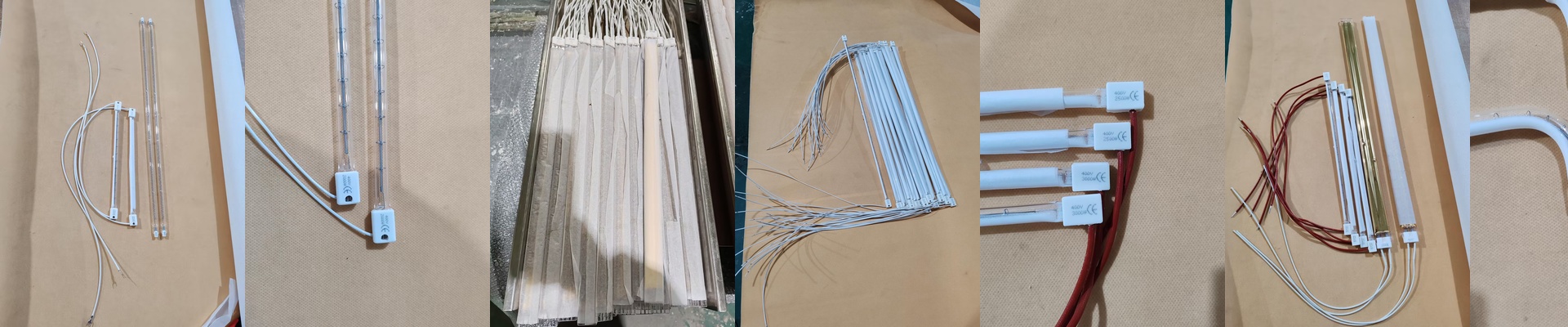
Our OEM Plastic Heating Element: Matching the Best, Period
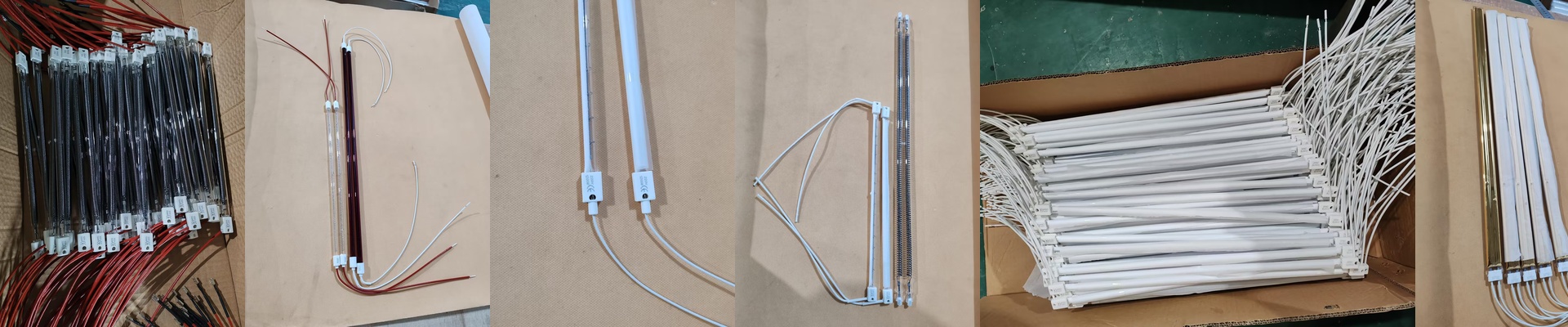
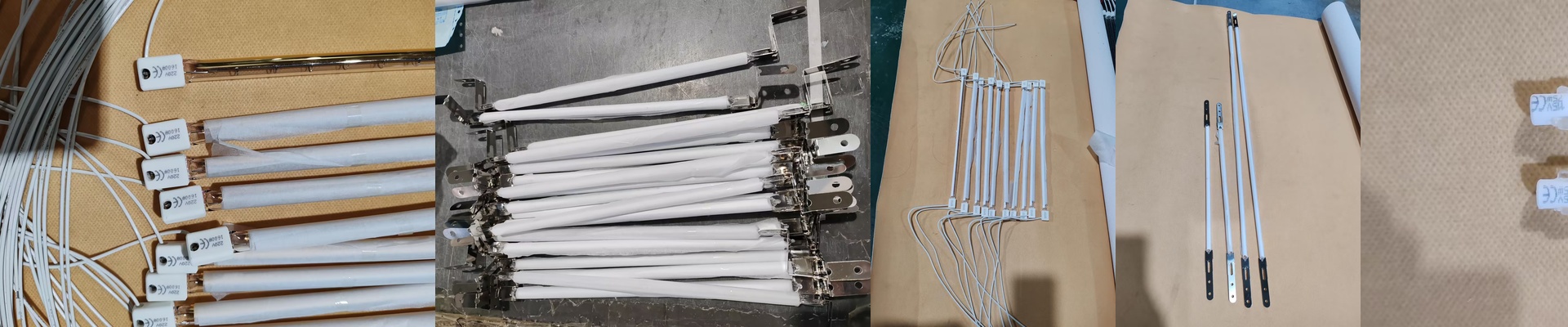
Here’s the deal: we build our OEM plastic heating elements to hit the same marks as the big names—Henruite included. When you’re running plastic processing equipment, you need a heat source you can trust, one that gives you the same results, every single time. We engineer our lamps to line up perfectly with the top-tier competition, especially when it comes to temperature curves and how evenly the heat spreads.
What’s Under the Hood: Smart, Spec-Driven Design
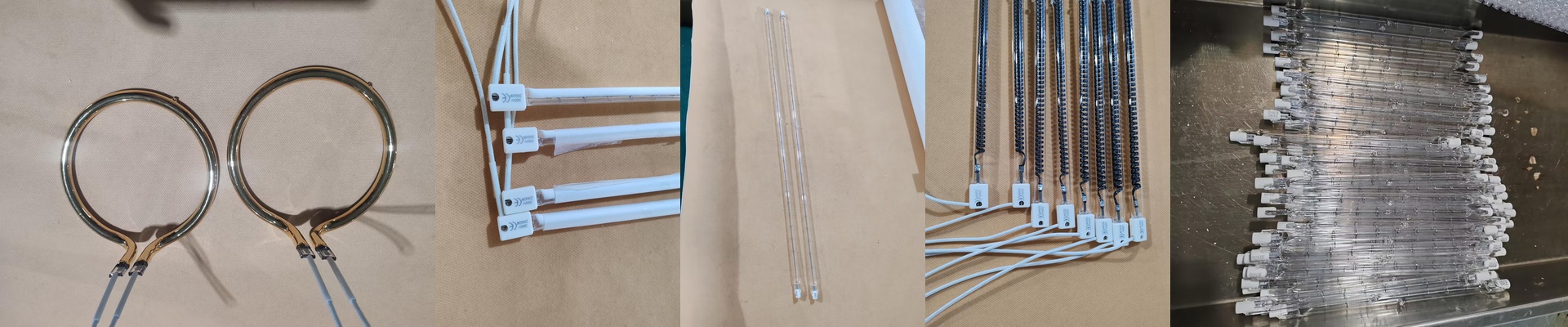
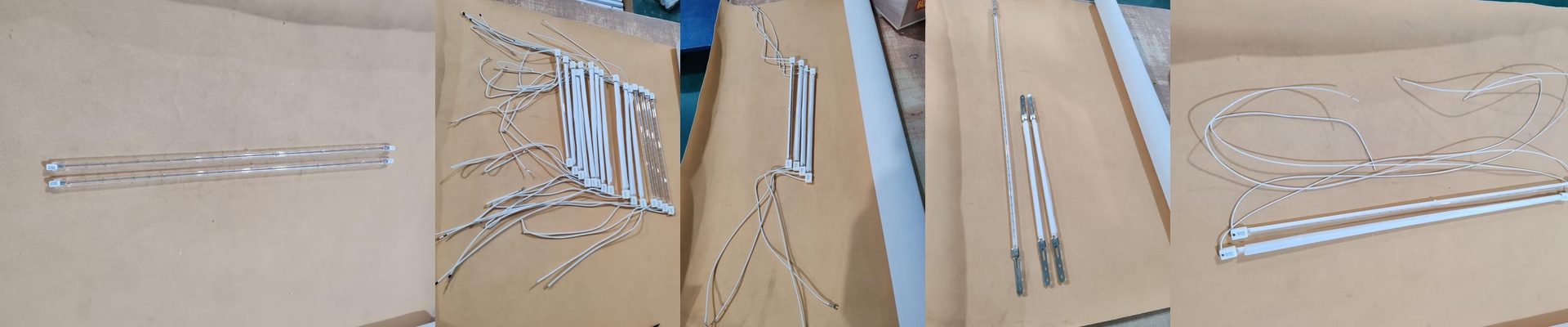
It all comes down to control. We dial in the power density so our lamps match the exact wattage and voltage your machinery needs. And the fit? We make sure the tube’s length and diameter match the footprint of your equipment. That means it drops right in. No messing with brackets. No awkward clearances. Just a direct, plug-and-play fit that performs, cycle after cycle, right alongside a Henruite unit.
The Halogen Secret: Built to Last
We use a halogen-filled quartz tube, and that’s a game-changer. The halogen cycle keeps the filament clean, which means the lamp lasts longer and doesn’t lose its punch over time like a standard incandescent bulb does. The quartz envelope handles the shock of rapid on-off cycling and stands up to the harsh chemicals in a plastic processing environment. And the connections? The R7s base is an industry standard for a reason. It gives you a secure, high-current connection that’s built for the real world. It’s a true plug-and-play replacement.
Real-World Results: Keeping Your Line Moving
If you’re running PET blowing or any process where consistent heat is everything, you know how crucial it is to keep the temperature even across the entire preform. Our lamps deliver that uniform heat, which cuts down on those nasty hot spots that lead to weak points and wasted material. The result? A stable thermal profile that keeps your line humming. Now, with this kind of focused, high-density heat, you do have to manage the warmth. Just make sure your machine’s cooling channels are clear and up to the task. That’s how you prevent overheating the surrounding components and keep everything running smoothly.