Introduction
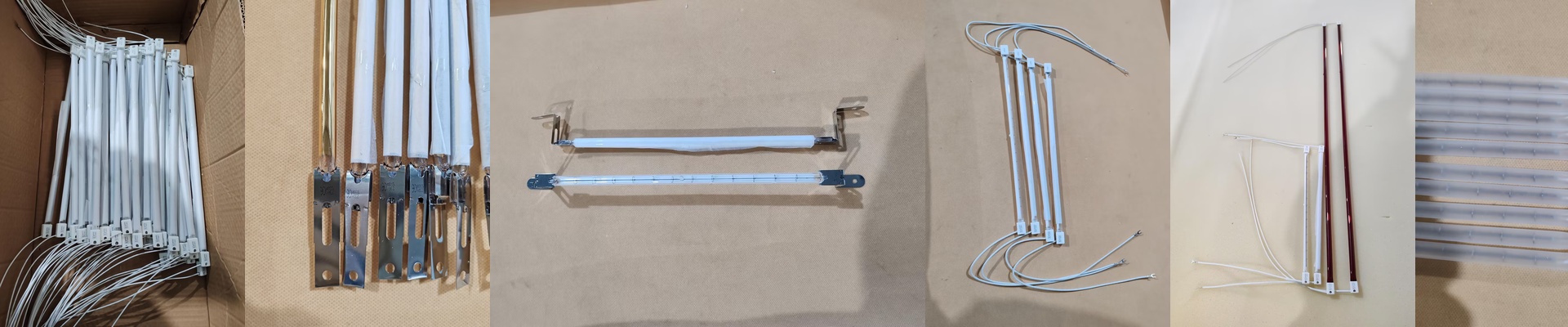
We build car infrared heat lamps for one reason: to give industrial automotive work a focused blast of heat, right where you need it. These units use infrared halogen elements to deliver a direct, high-density wave of radiant heat. They’re the go-to for curing car paint, heating up components, and warming grills in both production lines and repair bays. The whole point is simple—get parts hot, fast. Keep the control consistent. And avoid wasting energy heating the entire room.
Power, Voltage, and Size: The Practical Details
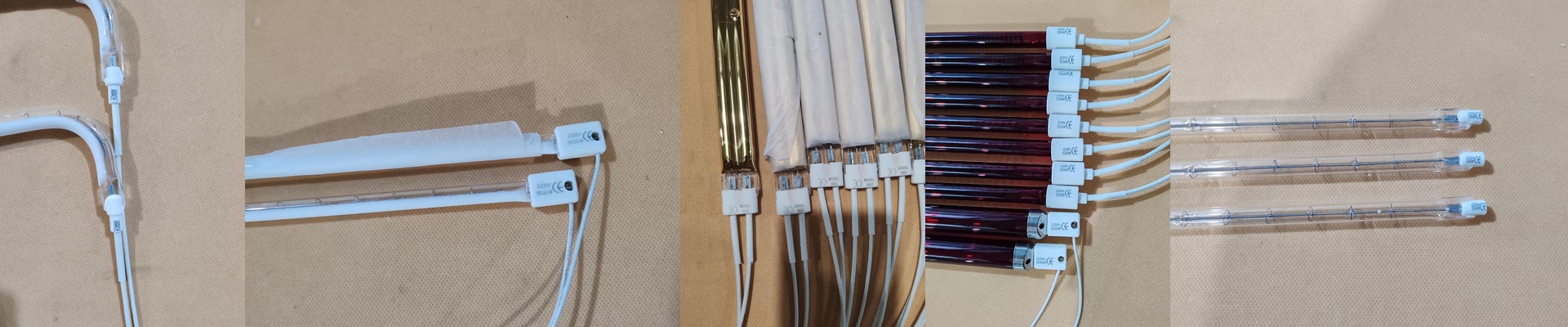
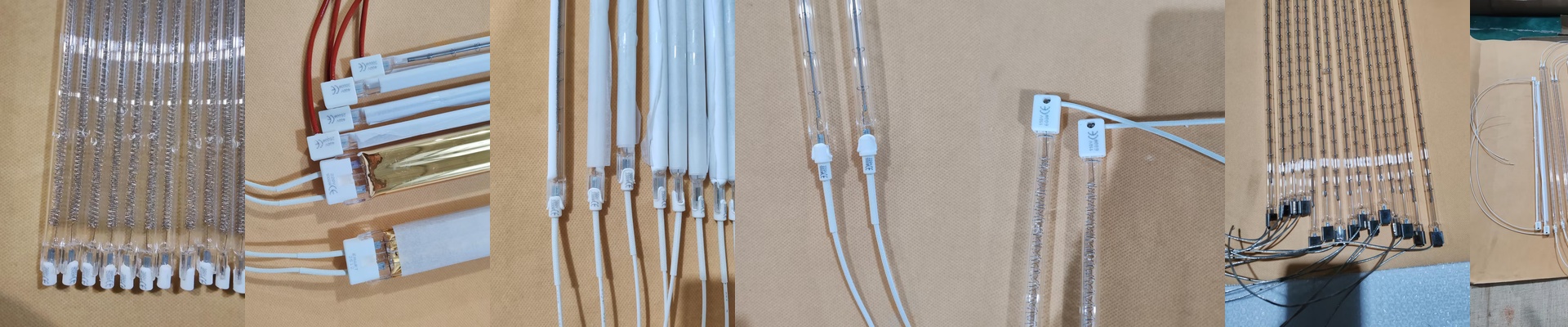
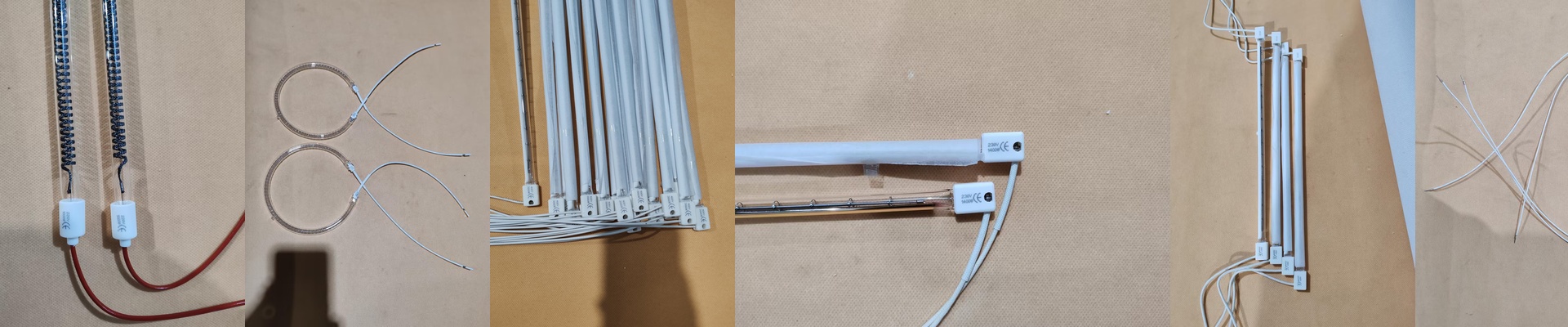
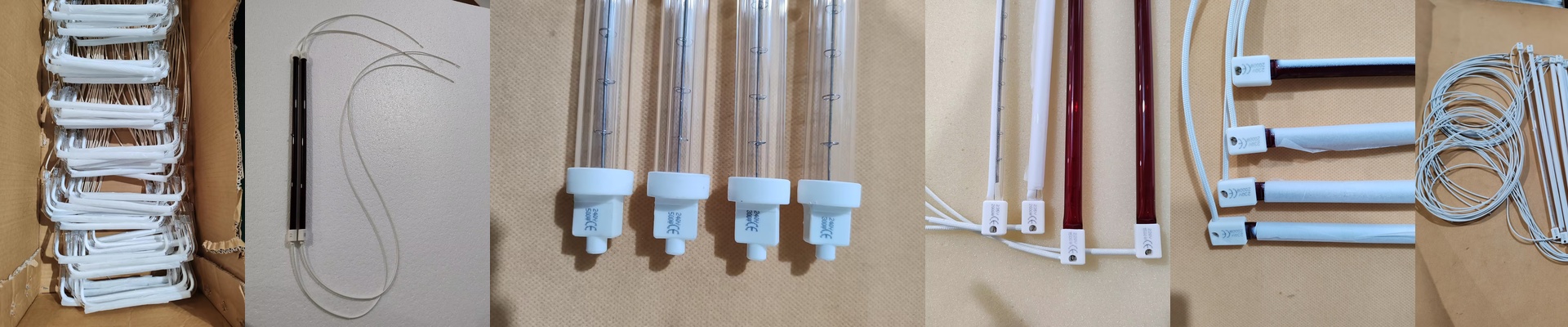
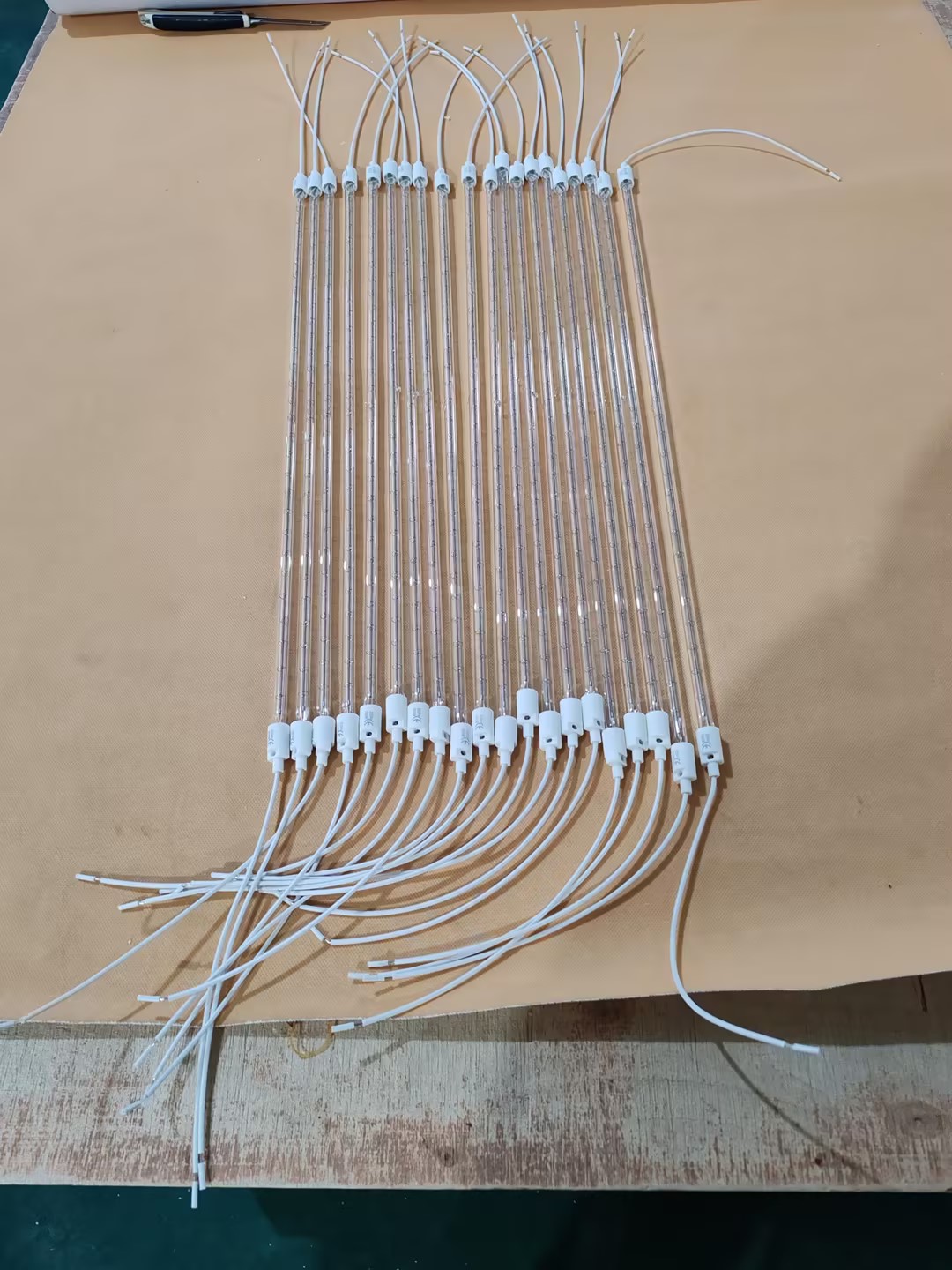
Here’s the thing about these infrared halogen elements for automotive work—they’re built as compact tubes, usually around 300mm long. That short size is a real advantage. It lets you pinpoint heat into a tight spot, which is perfect when you’re curing a panel, heating a small joint, or prepping a component before assembly. Power and voltage are matched to what your job needs. Most of these run between 2500W and 3000W, and we can set them up for 230V or 400V, depending on your plant’s power setup. That kind of wattage packed into a small tube means serious heat flux—which cuts down cycle time. But it also means the mounts, wiring, and the machine enclosure have to be ready for the heat. If you’re going with a high-power density lamp, plan your cooling and clearances from the start.
What’s Inside: Halogen, Quartz, and the Right Connections
At the heart of it all is a halogen-filled infrared element, tucked inside a quartz tube. The halogen cycle does its job, keeping the element stable by cutting down on evaporation. That means the lamp holds steady and delivers consistent output over its life. It’s the kind of reliability that makes your curing profiles predictable, day after day. We pair these tubes with R7s connectors—two contacts that handle the current without getting hot at the joint. For industrial setups, connector choice matters. It needs to stay tight even when things vibrate, let you swap lamps quickly, and keep the lamp aligned so the heat hits exactly where you want it.
How It Works in Real Life: Paint, Parts, and Grills
When you’re working on car paint, infrared heat lamps deliver energy right to the surface—fast and even. That speeds up solvent flash-off and crosslinking way more than heating the air around it, and it lowers the risk of trapping contaminants. For heating elements and grills, that same concentrated heat gets parts up to temperature quickly, whether you’re forming, sealing, or testing. The payoff is clear: a smaller thermal footprint, faster cycles, and lamps you can swap out in minutes. But there’s a trade-off—high heat density means you need proper mounting distance, thermal shielding, and a control strategy that keeps the substrate from overheating. When you match the lamp to the process, everything runs smoothly.
- Car
- Infrared
- Heat
- Lamps
- Heater
- Paint
- Element
- Grill
- Heating
- Halogen
- High Quality Heating Lamps 800w Clear Tube Infrared Halogen Heat Lamp for Dominican Republic Pet Blowing Machine
- 350mm 220v 1500w Halogen Infrared Heat Lamp for Pet Blowing Machines Plastic Moulding
- Hot Selling Ir Heater Lamp Quartz Infrared Heating Element Heat Lamp for Blowing Machine