Introduction
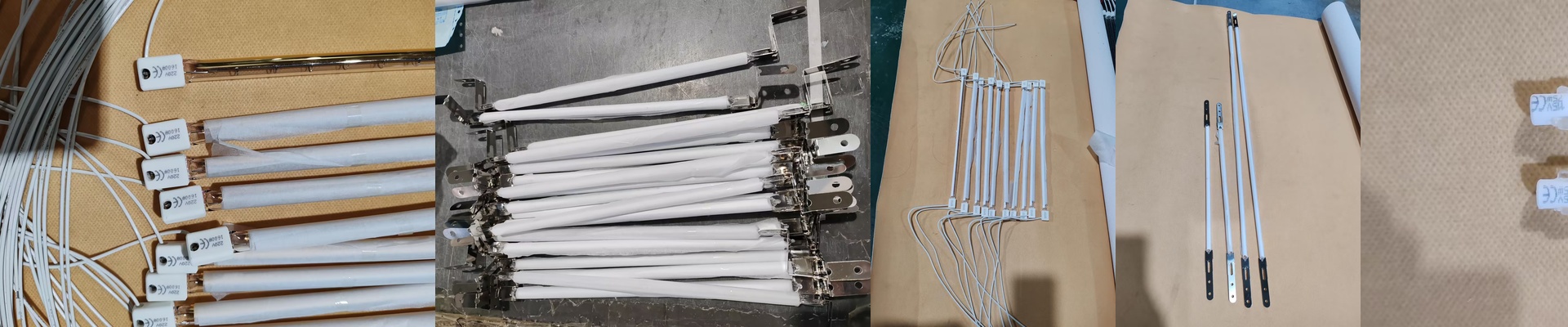
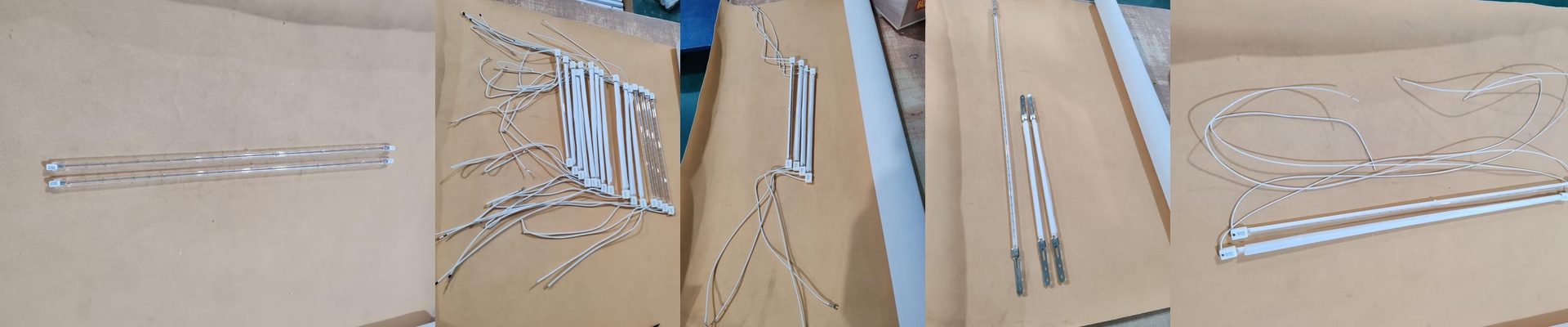
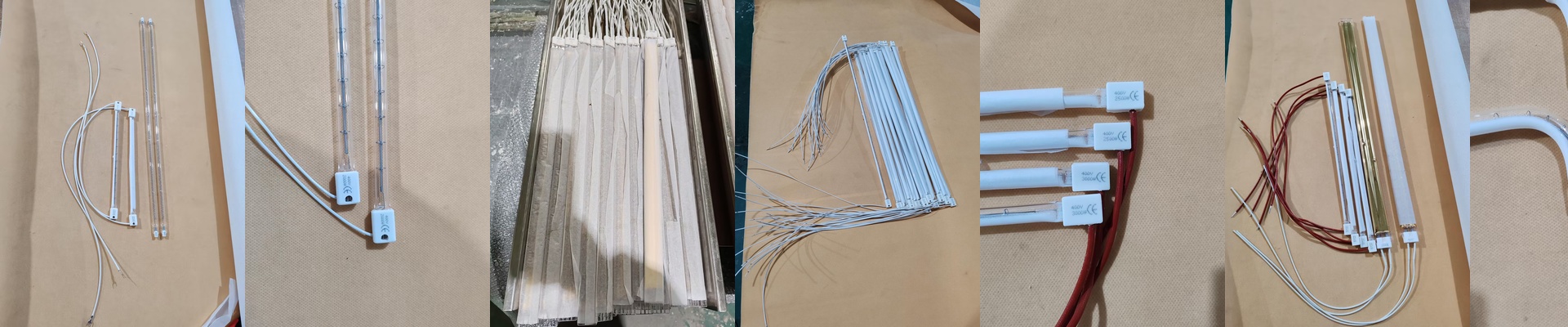
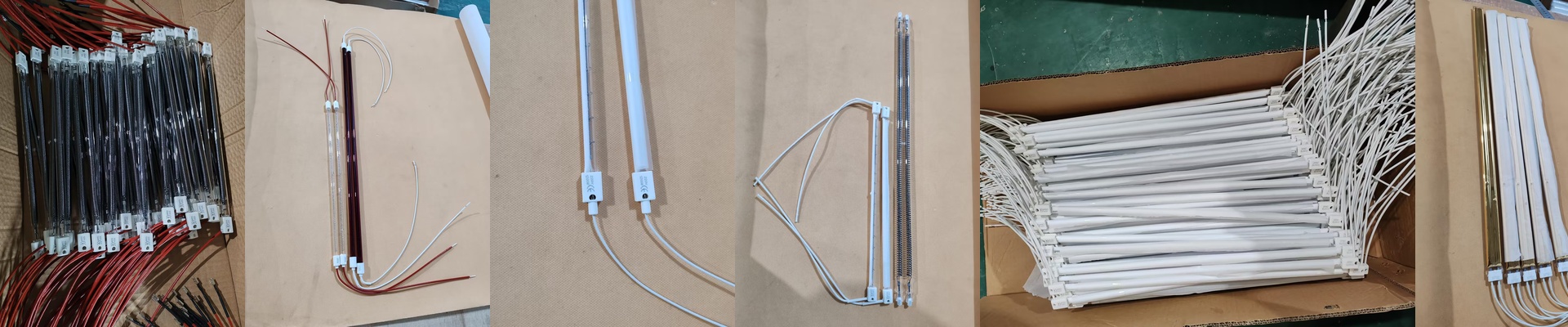
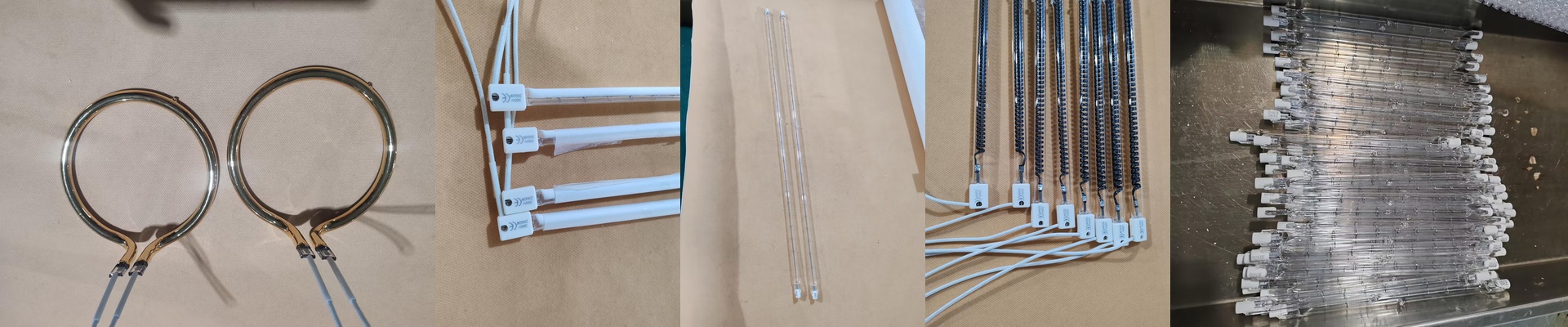
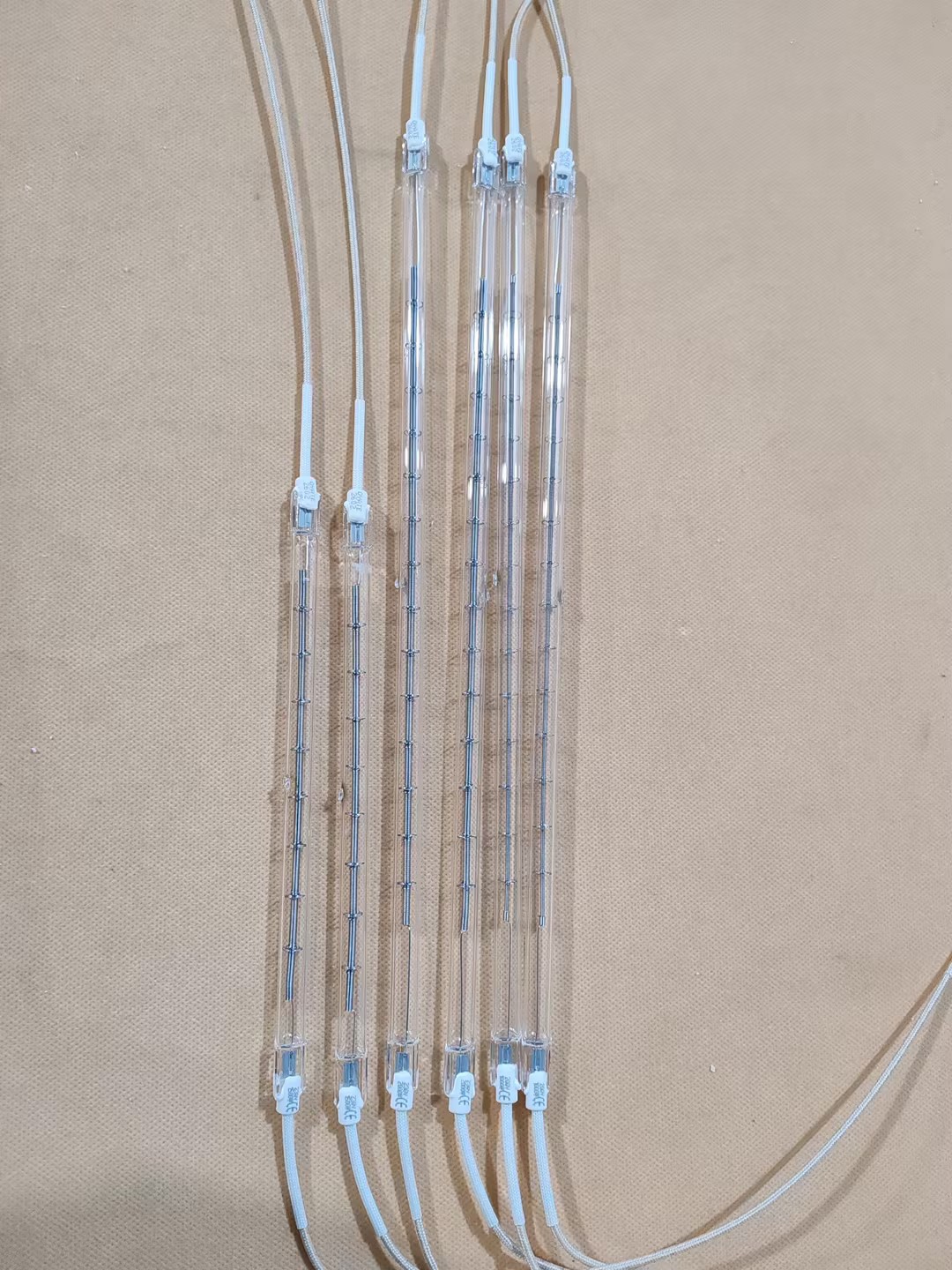
We built the 1500W R7s ruby infrared halogen heat lamp for the kind of industrial heating where speed and reliability actually matter. You know the feeling—when the machine needs heat, it needs it now, and it has to stay steady, shift after shift. If you’re an engineer who wants a heat source that’s compact, quick to wire, and predictable in tight spaces, this is right in that sweet spot.
Power, Voltage, and Size: The Practical Details
At 1500W, this lamp is a solid mid-range workhorse—plenty of heat density for many process jobs without overloading your control panel. The R7s base isn’t just a connector choice. It’s a direct-wire setup that cuts out extra sockets, which means fewer places where heat, dust, and vibration can cause trouble. And because most R7s lamps run on standard line voltages, you can match the lamp to your machine’s supply. In most cases, that means no extra transformers to worry about.
Why the Ruby Tint Matters
The ruby-tinted quartz envelope is there for a reason: it shapes the infrared output. It lets less visible light through and pushes the energy toward shorter-wavelength infrared. That’s the kind that many plastics and surface coatings absorb more readily, so you get faster surface heating—and less wasted energy heating the air around it.
Built to Stay Consistent: Halogen, Quartz, and the R7s Fit
Inside, the halogen cycle keeps the filament stable by sending evaporated tungsten back to the filament instead of letting it blacken the envelope. The payoff is steady output—steady light, steady heat—over the life of the lamp, which also means you’re changing bulbs less often. The quartz envelope is tough enough for high temperatures and resists thermal shock, so the lamp can cycle on and off without cracking. And the R7s shape helps mechanically. It’s a straight, double-ended lamp that drops cleanly into reflectors and channels built for that geometry, so beam alignment is predictable and installation is easier.
Where This Lamp Shines (and What to Watch For)
This is the lamp you reach for when you need rapid, localized heating: preheating molds, curing coatings, drying wet surfaces, thermoforming sheets, or keeping materials at process temperature between stations. Halogen infrared responds fast, so you can tune cycles in seconds, not minutes. And because it’s compact, it fits where space is tight. Here’s the honest part: the output is intense for the size, so you do need to manage reflection, shielding, and airflow. Run it at the rated voltage, make sure the fixture can handle the heat, and you get performance you can count on. This isn’t a fussy specialty bulb. It’s a practical, field-ready heating element built for real work.