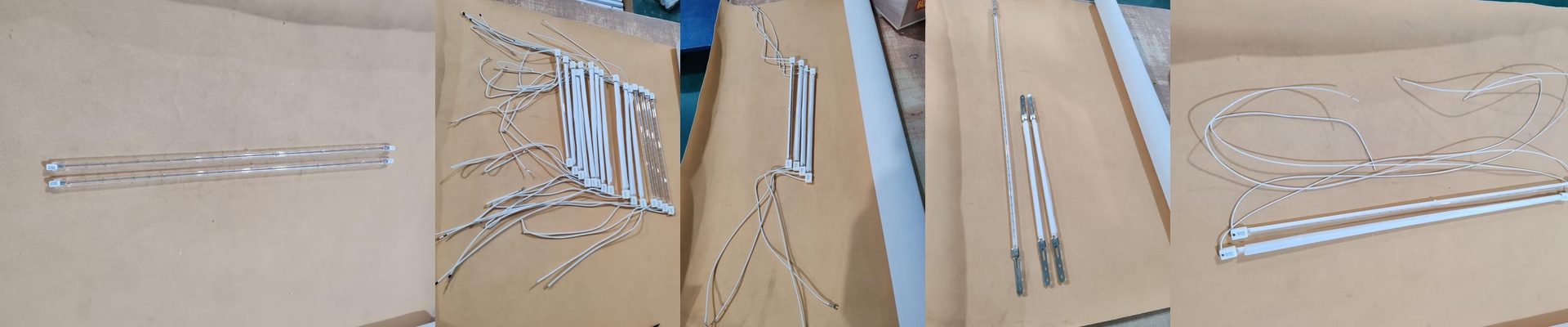
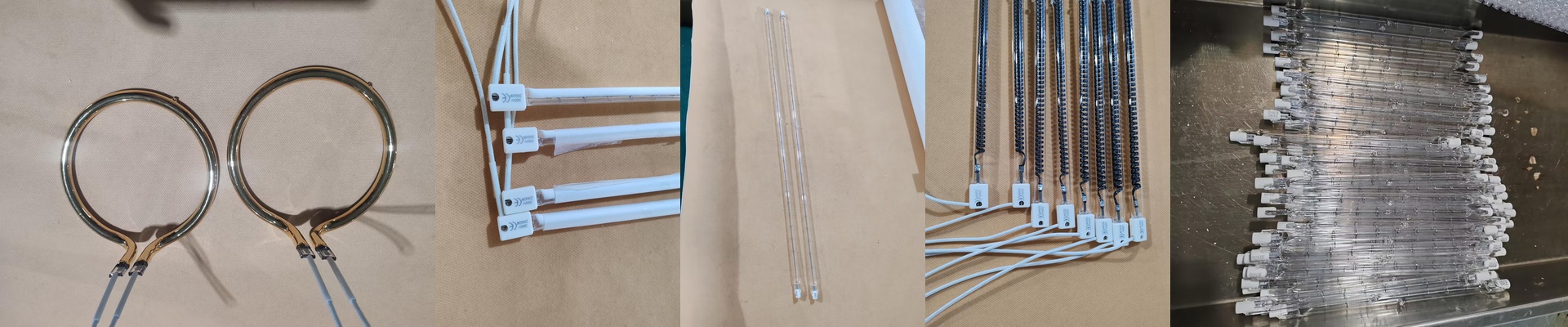
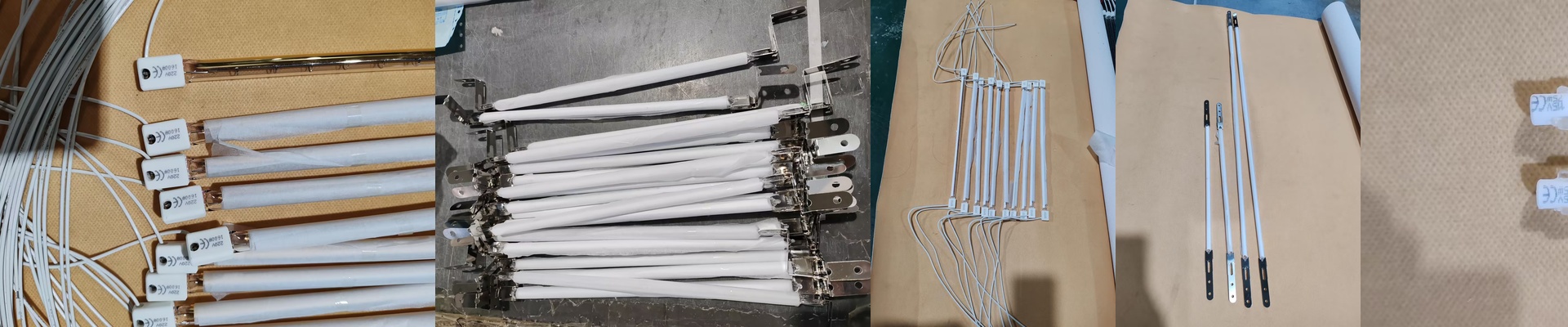
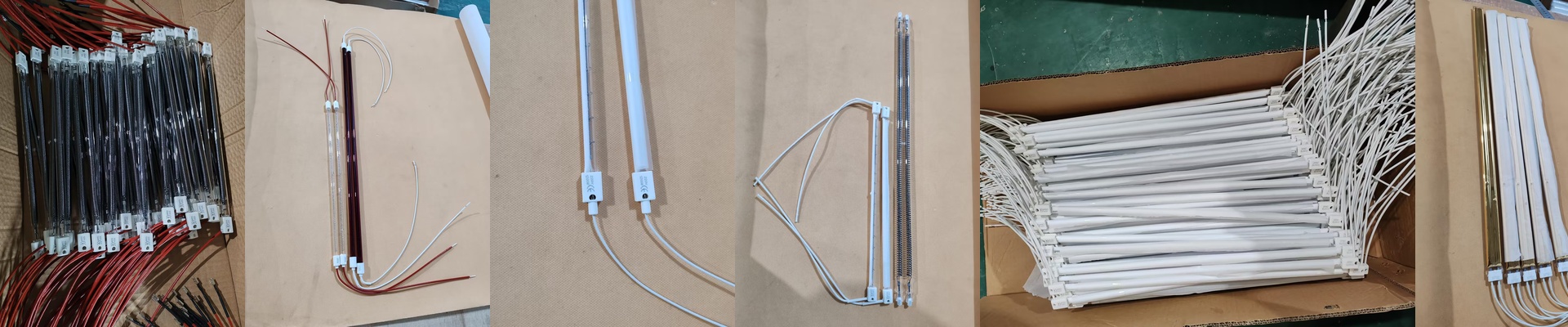
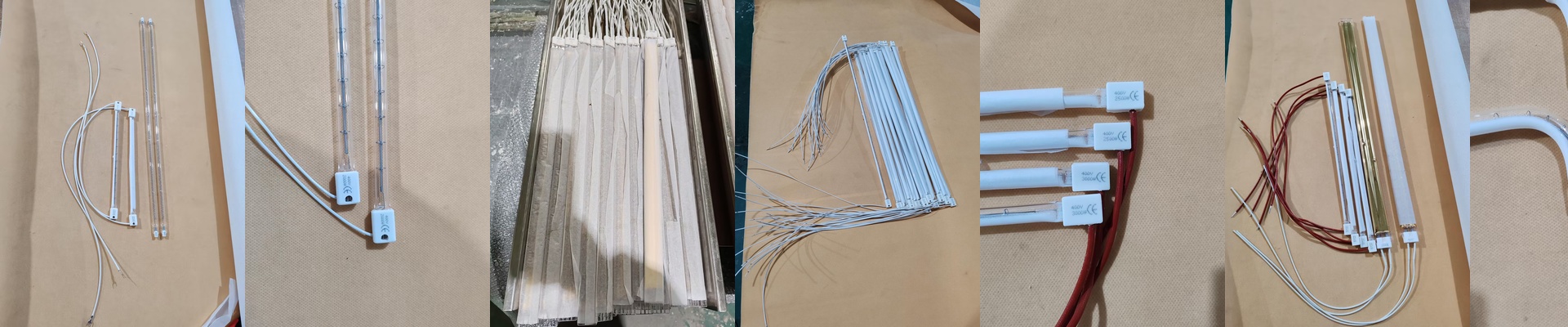
Halogen infrared lamps are the unsung heroes of industrial heating—the kind of workhorse you want when you need heat, and you need it now. They throw intense, focused energy right where you need it, skipping the waste of heating the air around it. For anyone running a line, that means faster cycles and way more control, especially when you’re heating something that’s right in the line of sight.
Power, voltage, and size—what actually matters
We size these lamps around real-world performance, not wishful thinking. Power runs from 250W all the way up to 5,000W, and you can match the voltage to your plant—anything from 120V to 480V. Go high voltage—say, 400V—and you get a nice side benefit: for the same wattage, the current drops. That makes wiring easier and helps you avoid voltage drop over longer runs. And the physical length? That’s not just a detail. A 300mm tube packs serious watt density into a small footprint, which is exactly what you want when space is tight. But you’ve got to match the length to your reflector and focal zone. If you don’t, you’re throwing efficiency away.
What’s inside—and why it stays tough
Inside, the halogen cycle does a neat trick: it keeps the quartz envelope clean by sending tungsten back to the filament. So the output stays steady over the lamp’s life. That design also lets the filament run hotter—hotter enough to push more energy into the infrared band, which translates to faster heating. Quartz handles the shock of rapid temperature swings and lets short-wave IR through cleanly. Then there’s the R7s base—a two-ended ceramic connector that locks in solid and takes the heat at the tube ends without complaining. On the high-wattage units, we lean on heavy-duty internal supports and rugged terminations, because vibration and repeated heating-cooling cycles will test any connection.
Where these shine—and what to keep in mind
These lamps are built for the jobs that demand precision: spot heating, curing, drying, plastic forming. They wake up instantly, deliver heat in a tight, directional beam, and work easily into existing setups. The cost story is straightforward. The upfront price is low, but plan for replacement cycles. And yes, they deliver high heat density—great for speed—but that also means your machine’s cooling and thermal management need to be thought through. Treat them like the focused tool they are, not a catch-all heater, and they’ll do their job—quickly, cleanly, and without drama.