Getting Real About Industrial Infrared Systems
Most people hear “cost-effective” and immediately think “cheap.” But in the world of industrial heating, chasing the lowest price is usually a trap. It’s a fast track to burnt-out lamps and the kind of unplanned downtime that makes your head spin. We look at it differently. We don’t save money by using low-grade quartz or cutting corners on the tungsten. That’s just bad engineering. Instead, we trim the fat where it actually belongs—by cutting out the brand-name markups and the corporate overhead.
The actual physics of the thing
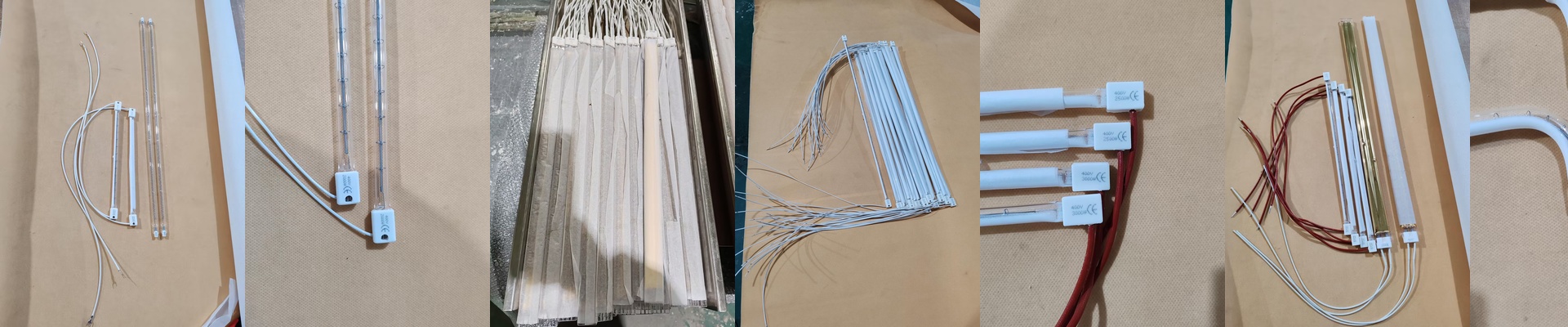
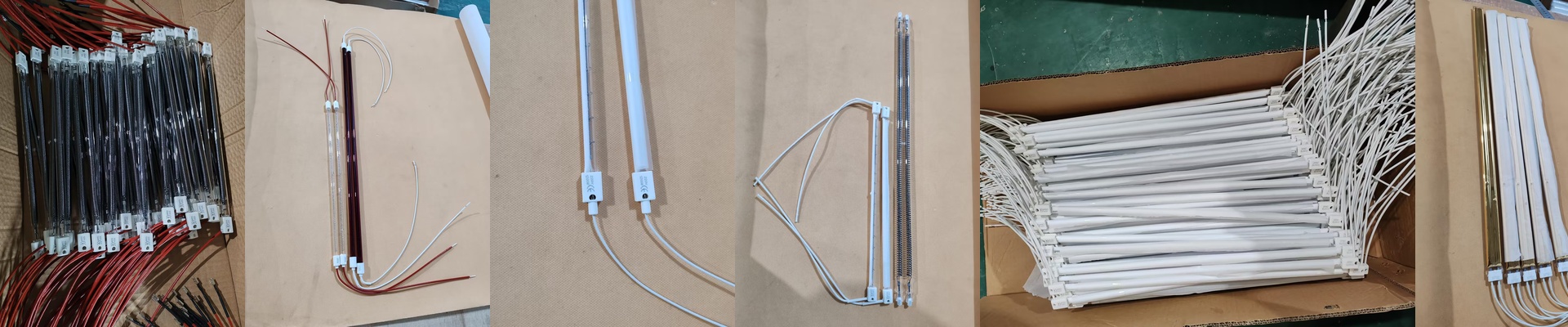
Here’s the secret: a lot of the high-end systems on the market are expensive just because of the logo on the box. The physics don’t change based on the brand. We use the same high-purity fused quartz and precision-wound filaments as the big global players. We’re talking about the same thermal output, period. We aren’t messing with the vacuum seals or the gas fill, either. If your project needs a specific wattage per millimeter to hit a certain temperature, that’s exactly what we build. The savings happen in the supply chain, not in the technical specs.
Dealing with the trade-offs
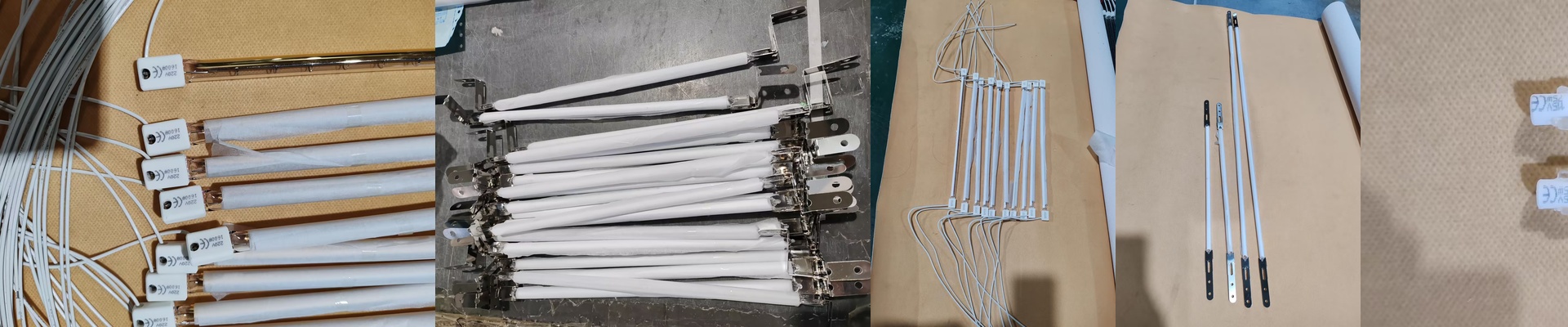
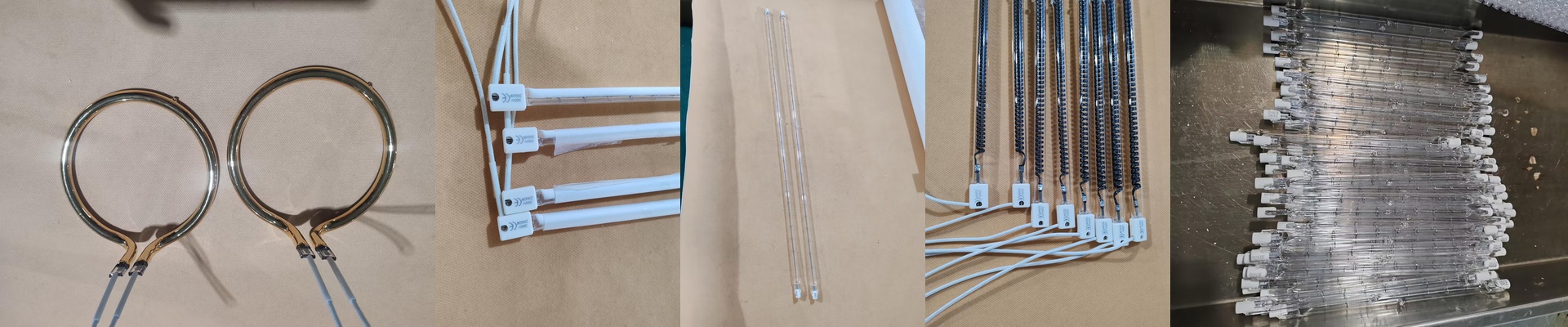
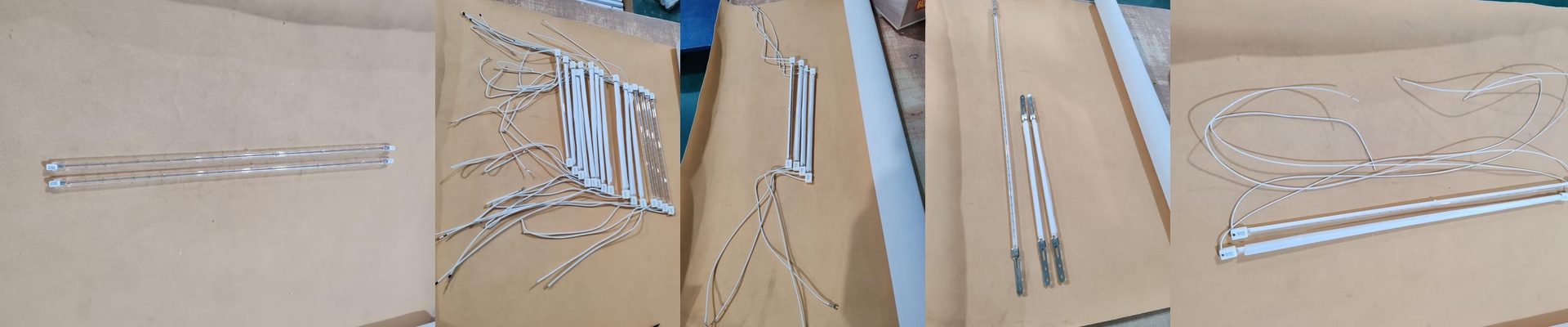
Now, performance isn’t magic. It has requirements. If you’ve got a high-density infrared array, you’re pushing a massive amount of heat. That puts a real strain on your power distribution. You can’t just toss a high-wattage system into an old cabinet and hope for the best—you’ll probably trip your breakers. That’s why we obsess over the footprint and the wiring. Whether you need a specific connector for a quick swap or a custom length to fit into a cramped chassis, we make sure it’s a drop-in replacement. You shouldn’t have to rebuild your entire machine just to upgrade a lamp.
What “value” actually looks like
The only number that really matters is the cost per hour of operation. Think about it. A cheap lamp that dies every 2,000 hours is actually incredibly expensive. Once you factor in the labor to replace it and the money lost while the line is sitting idle, it’s a nightmare. A precision-engineered tube that lasts 8,000 hours is the real winner. We build systems that can take a beating in a gritty factory environment, but we keep the initial cost from breaking your budget.