The Real Cost of a Burnt-Out Lamp
Here is the thing about plastic heating ovens: a blown lamp is never just about the cost of the bulb. When one of those lamps goes, your whole line stops. Everything freezes. You aren’t just paying for a spare part; you’re losing money every second your machine sits idle. It’s a total productivity killer.
Getting the Heat Right
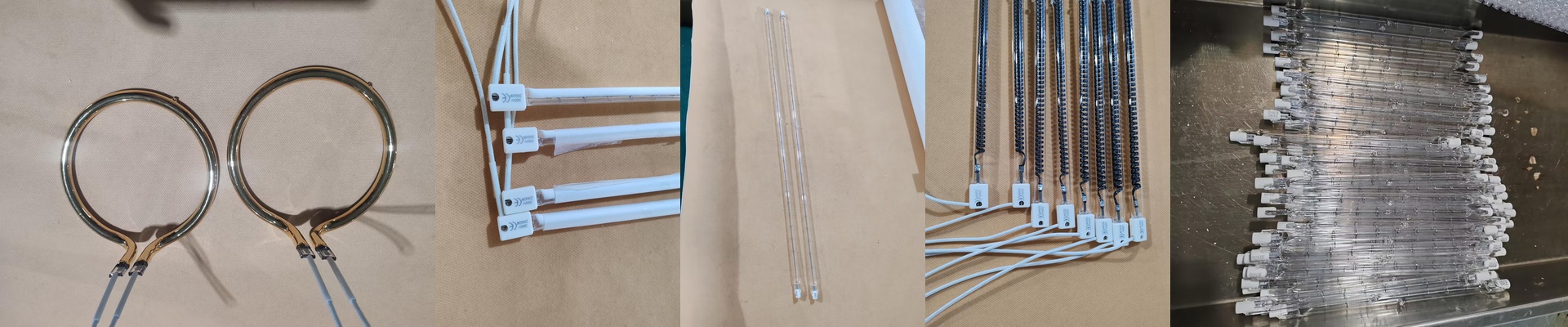
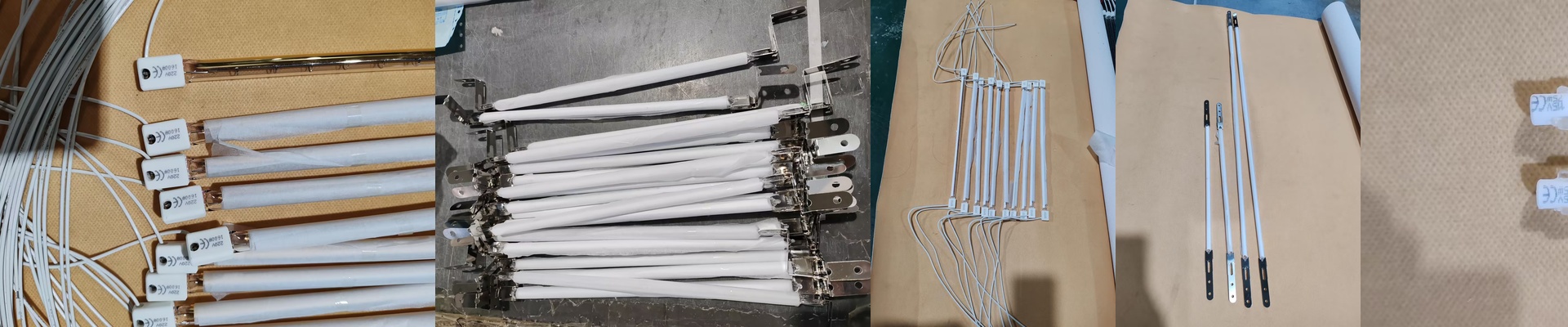
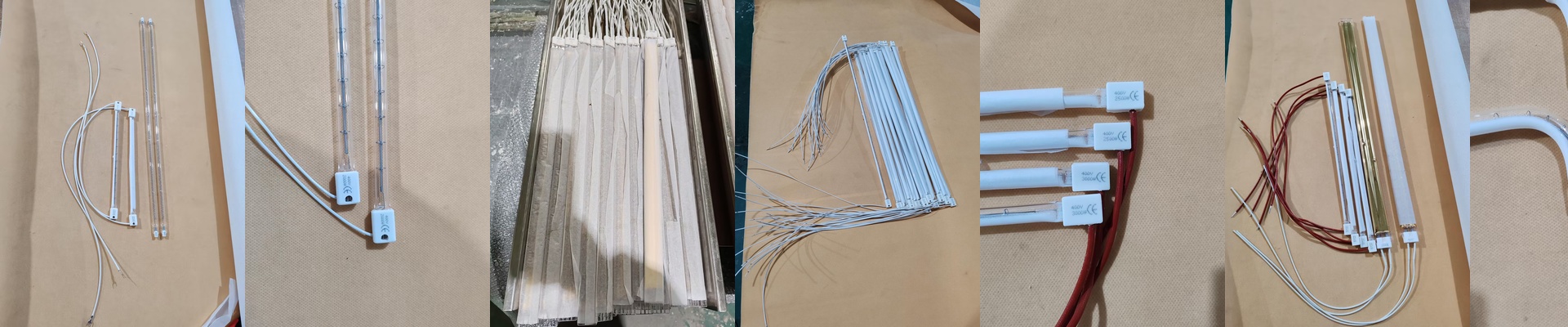
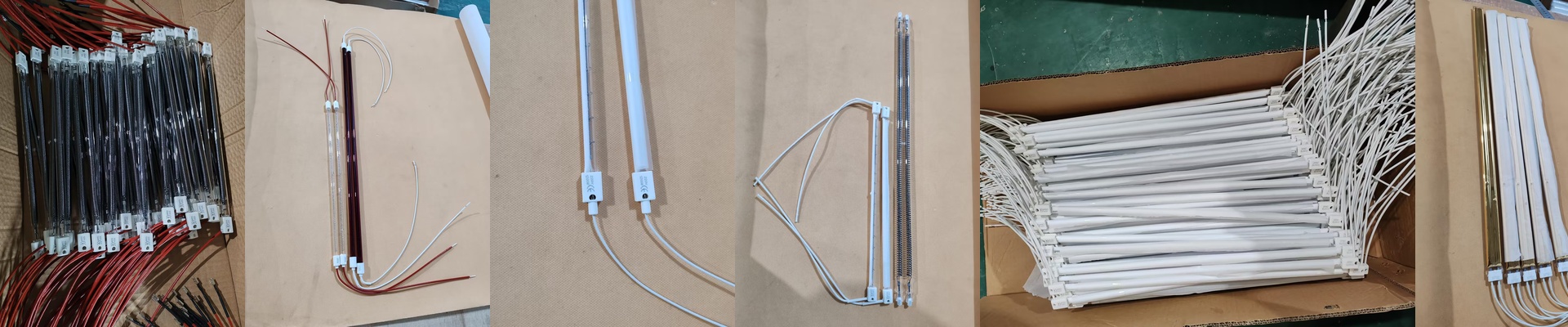
We build our heating elements to hit a very specific sweet spot with voltage and wattage. If you’re working with PET or PVC, you need a certain amount of heat density to soften the plastic quickly. But if the specs are off—even by a little—you’re in trouble. You’ll either end up with plastic that isn’t hot enough, or you’ll fry your filaments in a few weeks. That’s why we obsess over the length and wattage. We want the heat to be the same across the entire oven bank, no cold spots, no surprises.
The Gear That Actually Lasts
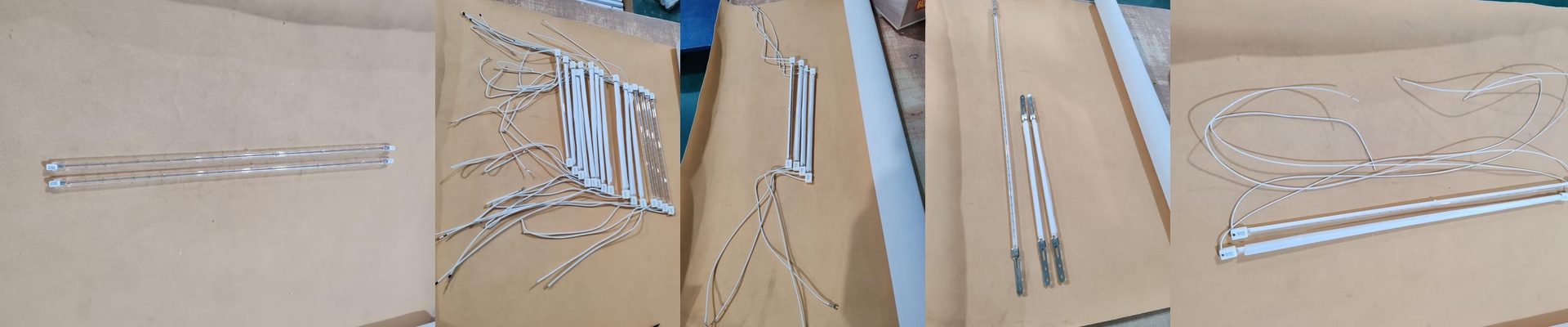
We use quartz glass and halogen gas fills because they can handle the heat without melting. Plus, we offer coated tubes. These are great because they bounce the heat back toward your product instead of letting it soak into the oven walls. It’s a simple way to stop wasting energy. When it comes to the connectors, we stick to the basics like R7s or Sk15. Why? Because they’re a fast drop-in replacement. The last thing your techs need during a breakdown is to be fighting with messy wiring while the boss is breathing down their neck.
The Balancing Act: Speed vs. Lifespan
There’s always a trade-off. High-output lamps get your cycle times down, which feels great for production numbers. But pushing a lamp to its absolute limit wears out the filament faster. It’s a balancing act. If you run your lamps at 110% just to hit a target, just know you’ll be replacing them a lot more often. You have to decide if that extra speed is worth the extra maintenance. We provide spares that fit exactly where your old ones were. Get the specs right, keep the downtime low, and stop the bleeding on your production floor.