Stop Paying the “Brand Tax” on Your Infrared Tubes
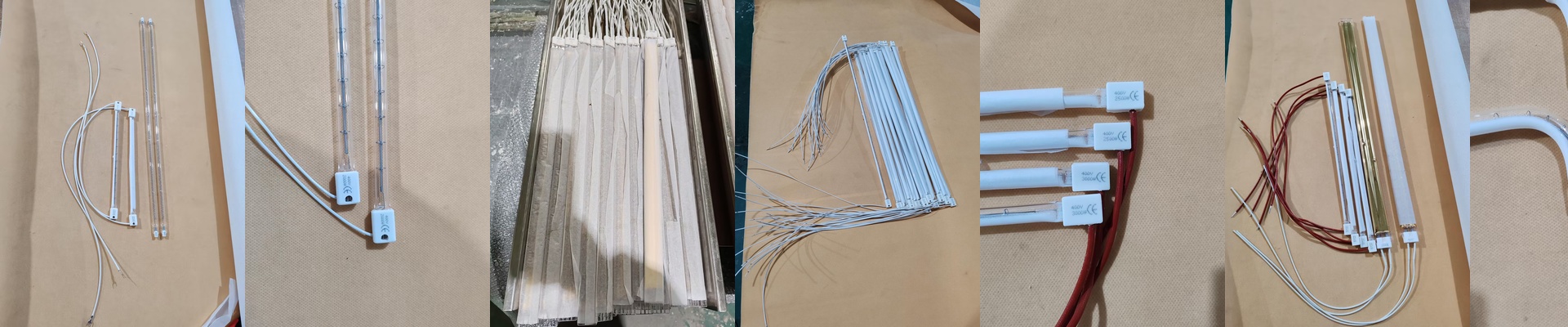
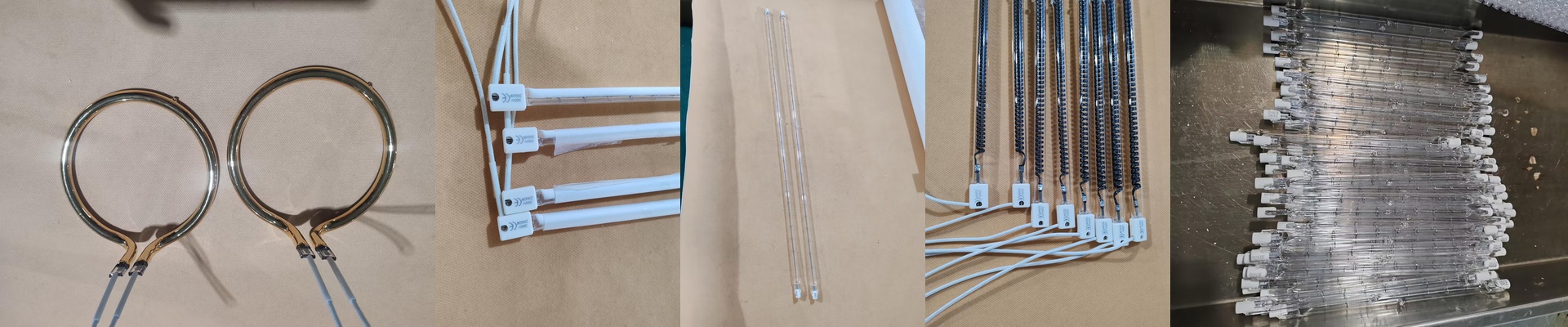
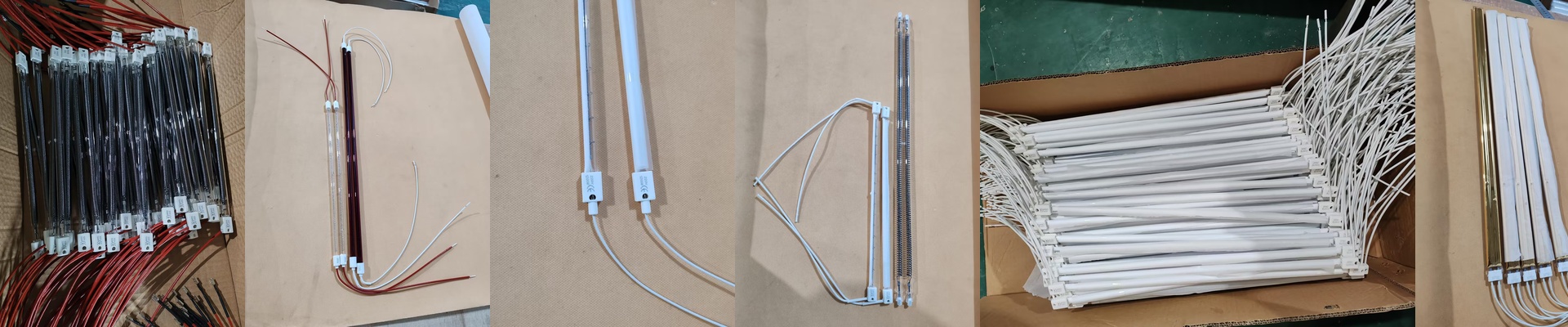
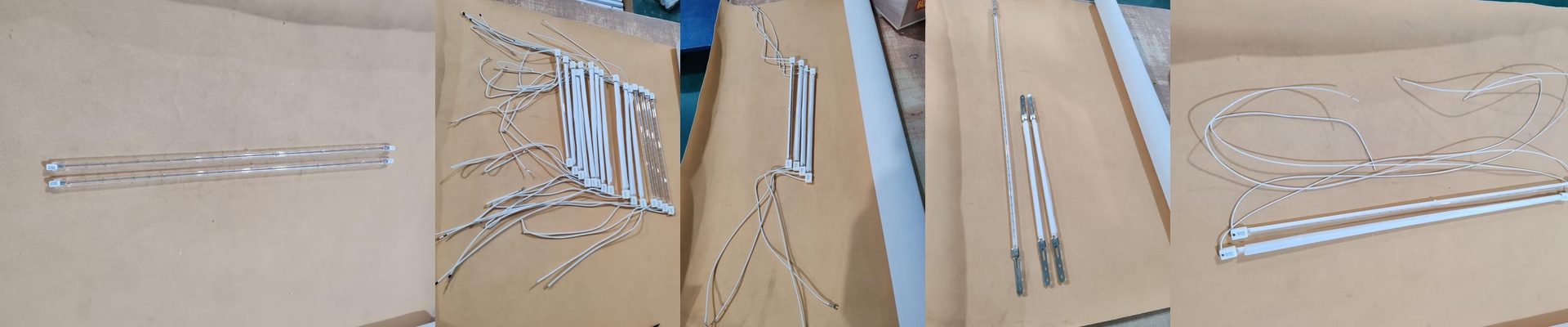
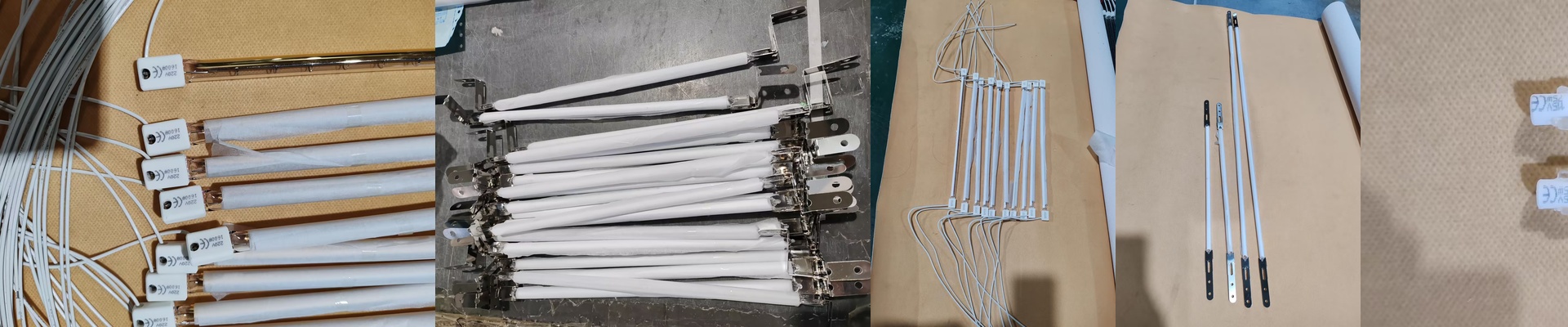
Let’s be honest. A lot of us in plastic processing just buy the big-name infrared lamps because it feels safer. We pay a massive premium for a logo, even though the physics inside the tube are exactly the same. When I talk about “equivalent replacements,” I’m not talking about “close enough.” I mean matching the wattage, voltage, and spectral output perfectly. Your PET blowing or film stretching process is too sensitive for “close enough.” If the heat drifts, your product drifts. Getting the electricals right Fitting a tube into a slot is the easy part. The tricky bit is the power. If you put a 230V tube into a 400V system, you’re going to be staring at a cold lamp. Go the other way—over-volt it—and you’ll burn that filament out in a few hours. It’s frustrating and a waste of money. We spend our time calibrating the tungsten filament’s length and diameter to hit your exact wattage. High-wattage density is great because it gets you up to temperature faster. Just make sure your wiring can handle the current draw. Nobody wants a melted cable. The guts of the lamp We use high-purity quartz glass. Why? Because constant heating and cooling is brutal on materials. This glass handles that thermal shock without cracking. Plus, we fill the tubes with halogen gas. This keeps the filament from evaporating too quickly, which means the lamp actually lasts. For the connectors, we stick to R7s or Sk15. They’re the industry standard for a reason—you can swap a tube out in seconds without having to rewire your entire oven. Depending on what you’re making, we can also add specialized coatings. This shifts the heat from shortwave to medium-wave, which basically changes how deep the heat sinks into the plastic. Making it work in your plant These are true drop-in replacements. You get the same thermal profile as those overpriced brands, just without the markup. But here is a pro tip: the hardware is identical, but your power supply is the wild card. If your plant has “dirty” power or constant surges, your filaments will snap. If that’s the case, grab some voltage stabilizers. It’ll save you a lot of headaches and keep your line running smooth.