Let’s Talk About What “Value” Actually Means for Quartz Heaters
In this business, people throw the term “cost-effective” around a lot. But usually, that’s just a polite way of saying “cheap.” From where we stand on the factory floor, there’s a massive difference. Cheap heaters use low-grade quartz. It looks fine at first, but then the impurities kick in. The tube clouds over or, worse, it just cracks the moment it hits a thermal stress point. We don’t do that. We keep our standards right up there with the big global brands. The secret isn’t cutting corners on the materials—it’s just being smarter about how we run the shop and manage our suppliers.
The Nitty-Gritty of the Build
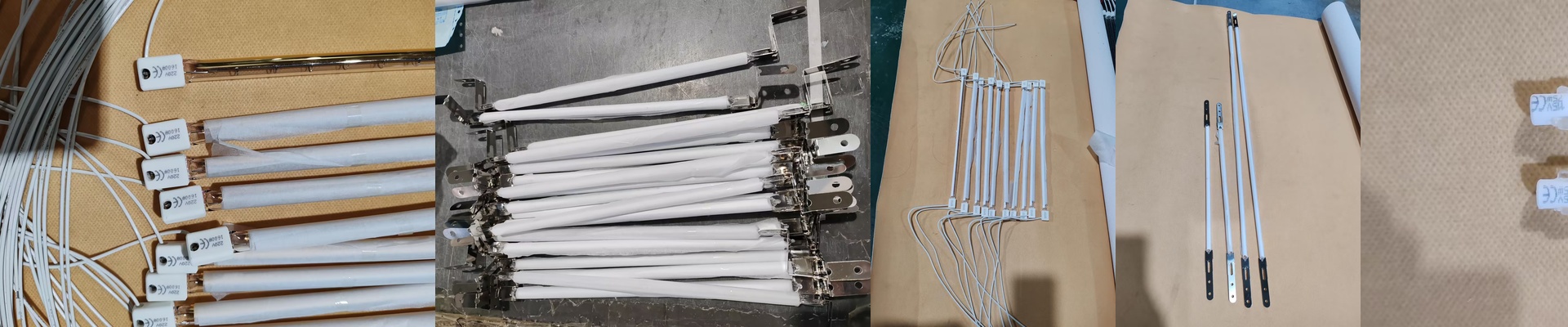
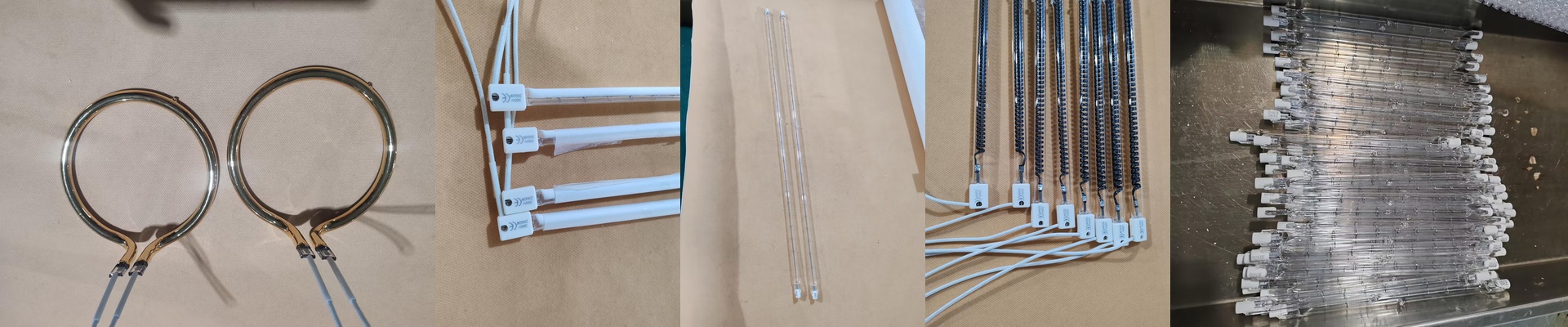
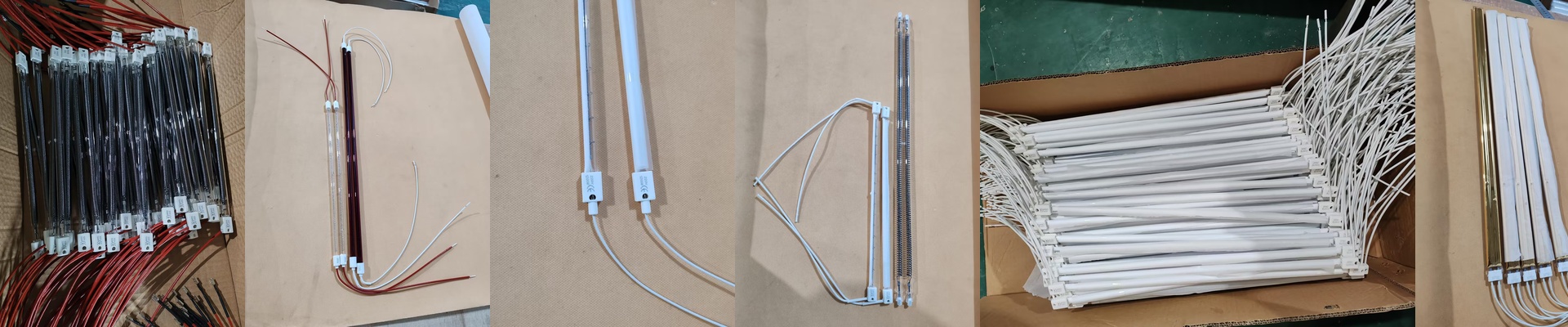
If you want a quartz lamp to actually last, it comes down to two things: the purity of the silica and how precisely that tungsten filament is wound. We use high-purity synthetic quartz. Why? Because it doesn’t freak out when things get hot. It has a low coefficient of thermal expansion, which is a fancy way of saying the tube won’t warp when you’re pushing it to the limit. As for the cost, we save money by automating the boring stuff. We use automated vacuum sealing for the ends. Manual sealing is where most leaks happen, and leaks mean wasted parts. Less waste means we can pass those savings on to you.
The Reality Check on Power
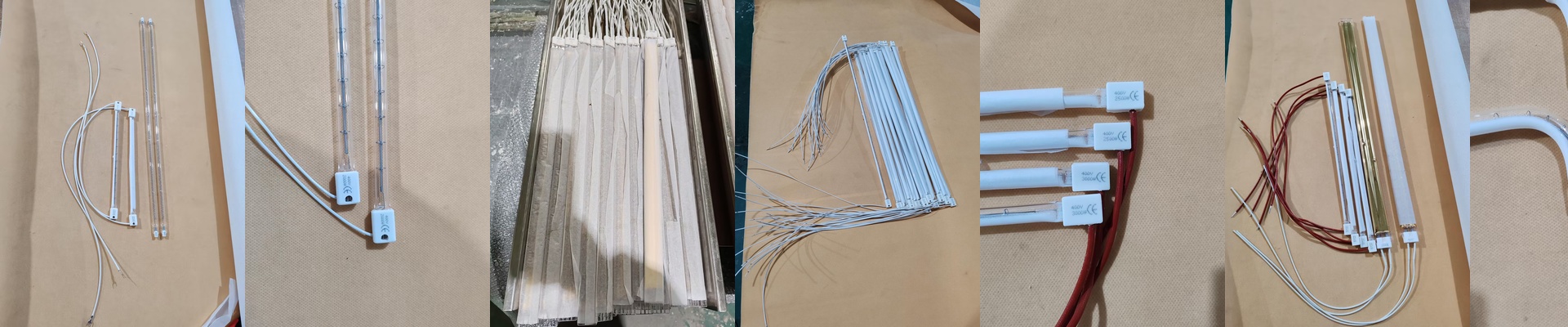
If you’re running PET blowing or curing lines, you need high-wattage density to keep your cycle times fast. It’s a necessity. But here’s the thing: when you cram more power into a shorter tube, your sockets take a beating. If you go for a high-power lamp, please, double-check your wiring. If your connectors can’t handle the heat, they’ll melt. We offer everything from R7s to Sk15 connectors to make sure you get a tight fit. A loose connection creates resistance, which leads to arc-over, and then your heater is toast.
Cutting Out the Middleman
We don’t hide behind a wall of distributors. When you deal with us directly, you get a drop-in replacement that does exactly what the big-name brands do. Same spectral output. Same coating thickness. Same grade of filament. The only real difference? You aren’t paying for a fancy logo.