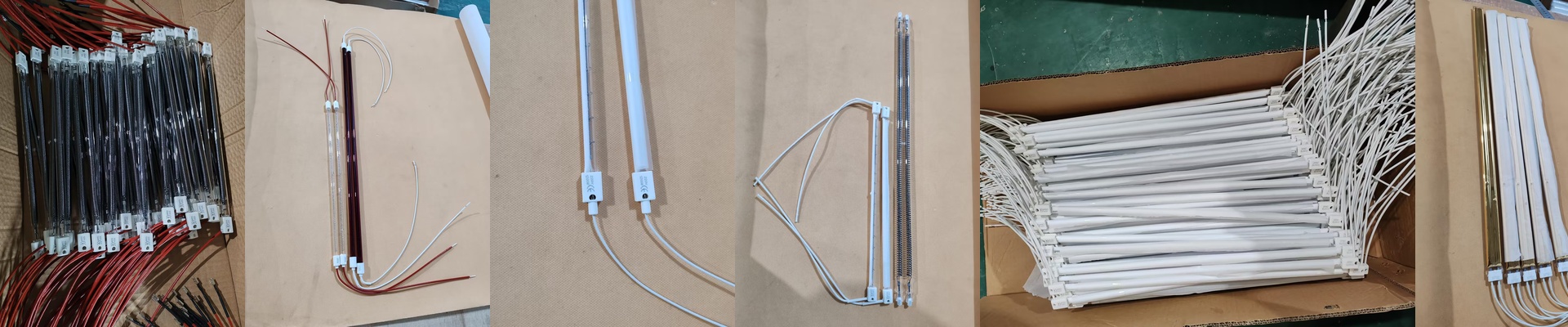
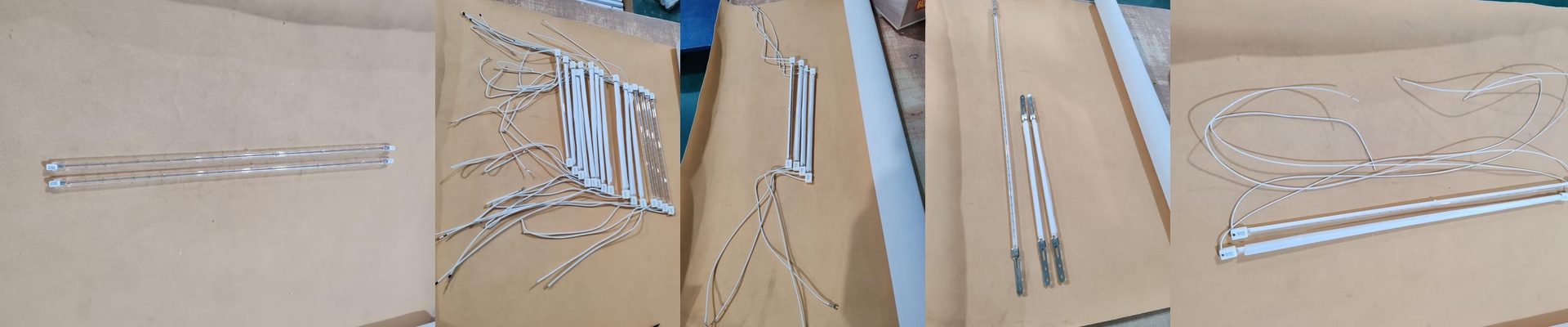
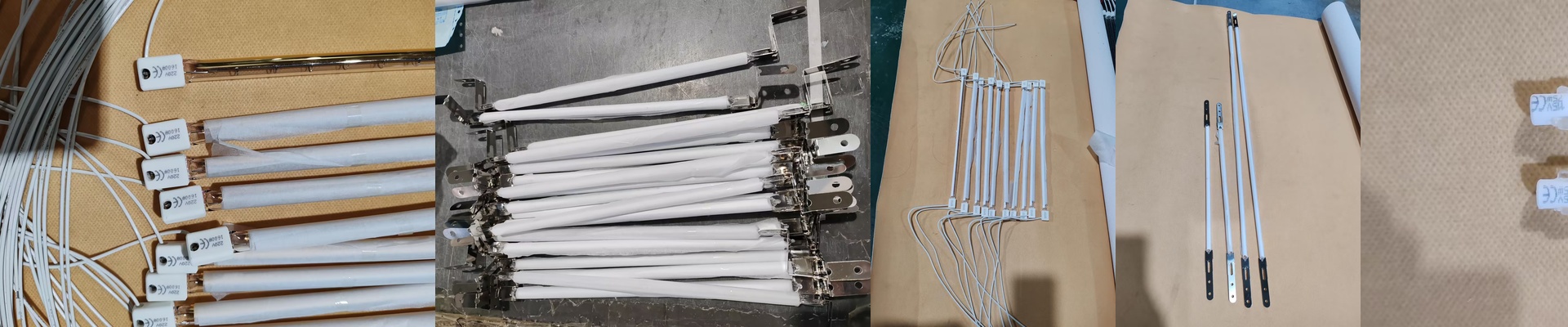
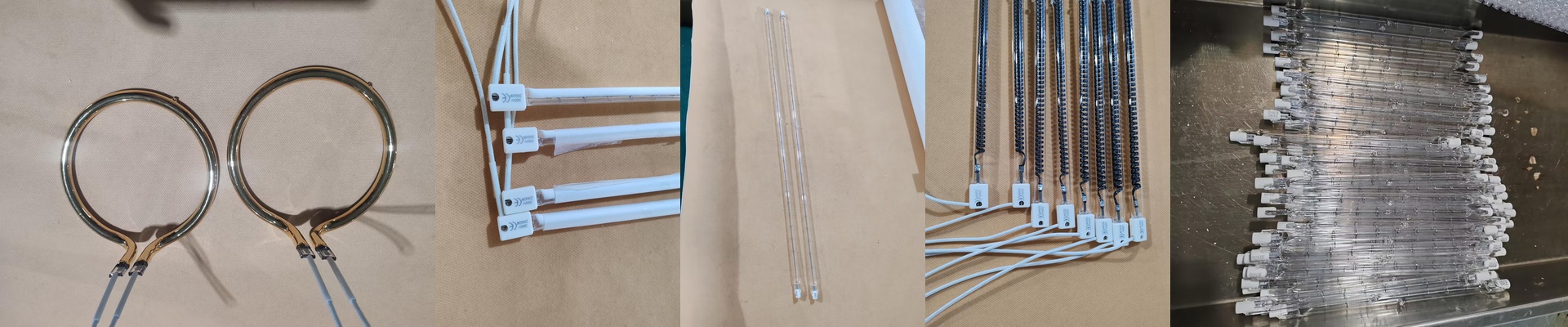
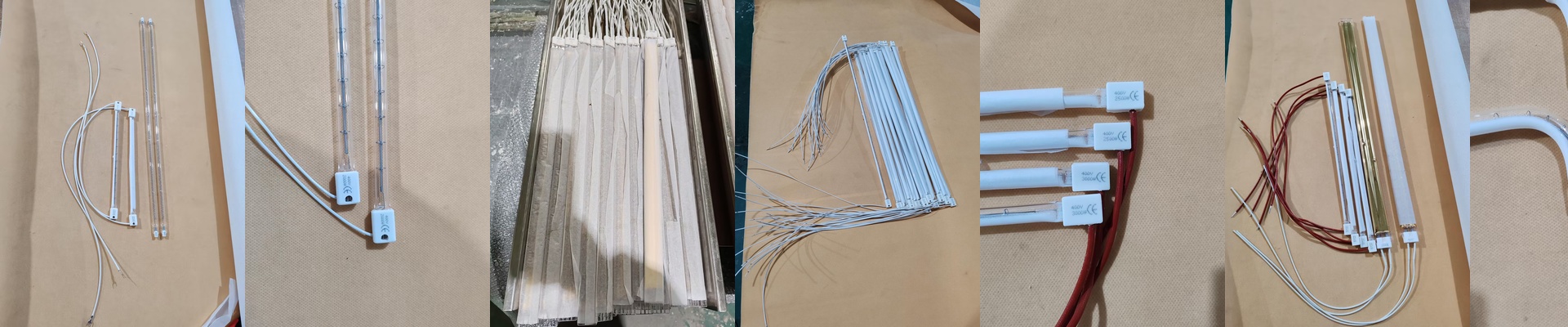

Let’s talk about the 362mm 920W Halogen Lamps
If you’re looking for a way to get materials hot—and get them hot fast—these 362mm lamps are exactly what you need. We designed them to pump out concentrated thermal energy for industrial drying and curing. At 920W, they hit the sweet spot: you get a rapid heat transfer that doesn’t blow out the quartz envelope. Think of these less like a lightbulb and more like a precision tool for when you need to spike surface temperatures in a heartbeat. The power and the footprint At 362mm, you’ve got a very specific heating area to work with. Once you’ve got these wired in, that 920W output kicks out a high-intensity shortwave spectrum. Here’s why that matters: this wavelength cuts through materials way faster than longwave radiation. It means your ramp-up time is practically nonexistent. Just a heads-up, though—all that concentrated heat puts a lot of stress on the ends of the lamp. If your housing is too tight and doesn’t let the metal expand and contract, you’re going to see the filaments fail way sooner than they should. The secret sauce: Halogen and Quartz We use a halogen gas fill inside the tube. It stops the tungsten filament from evaporating and gunking up the glass. This “halogen cycle” keeps the tube crystal clear, so you get that same 920W punch for the entire life of the lamp. The quartz glass is the real hero here, handling the wild temperature swings between the white-hot filament and the air around it. But please,**do not touch the glass with your bare hands.**The oils from your skin create tiny hotspots, and when the lamp heats up, those spots can cause the quartz to crack. Putting them to work These are perfect drop-in replacements for PET blowing or plastic welding lines. They give you that “instant-on” heat that keeps high-speed conveyors moving without a hitch. But there’s a catch. Because you’re packing so much wattage into a 362mm frame, your reflectors have to be spotless. If there’s dust or oxidation on the mirror, your efficiency tanks and the lamp runs hotter than it’s supposed to. Plus, keep an eye on your cooling fans. If they quit, your electrical terminals are going to feel the heat.