Stop Overpaying for a Logo: The Truth About Quartz Heaters
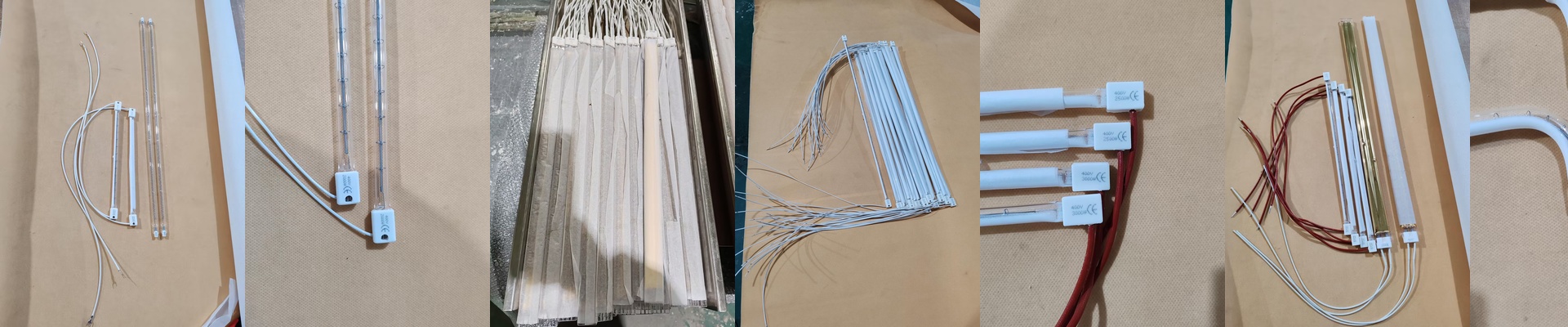
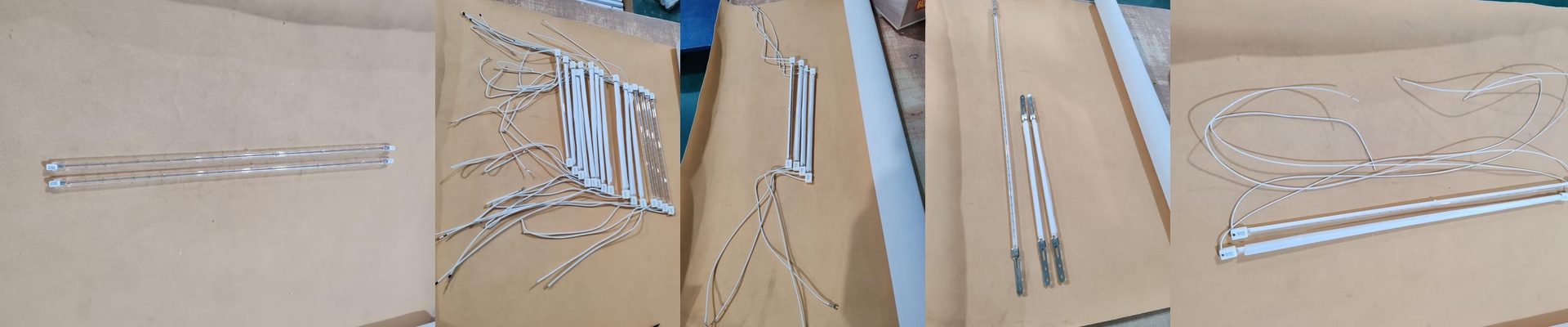
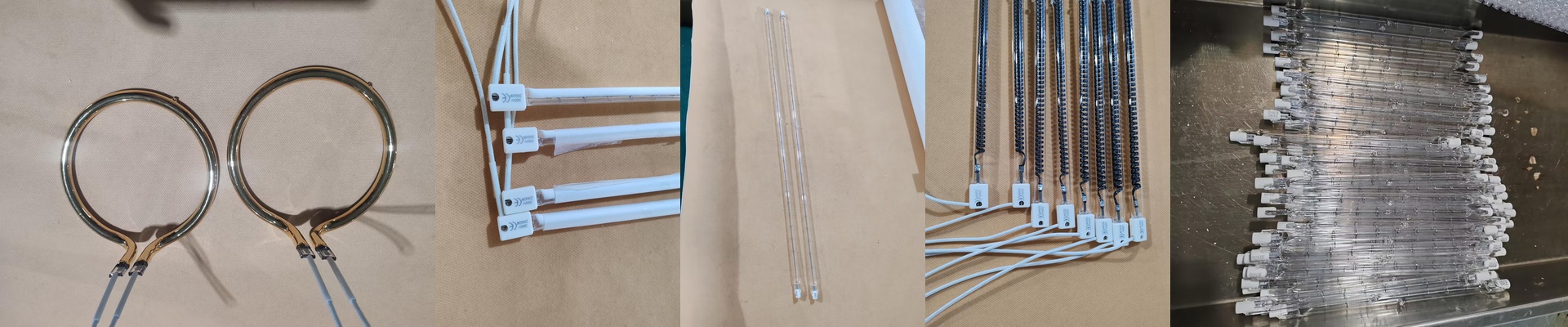
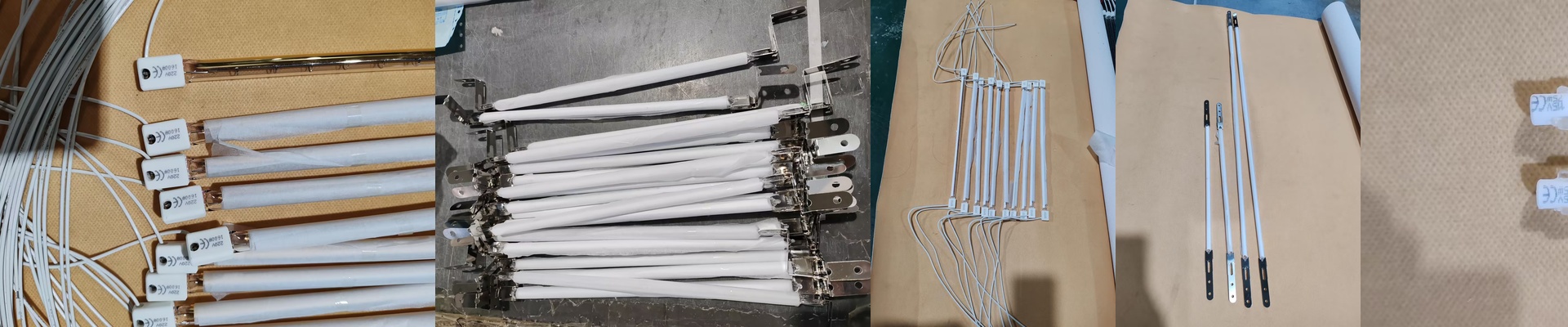
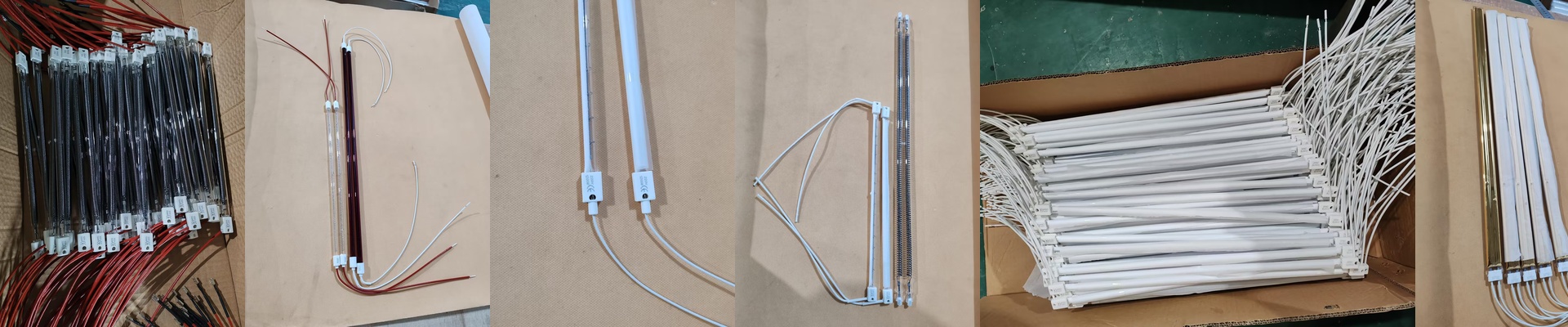
Let’s be honest. A lot of engineers in PET blowing and thermoforming are paying a “brand tax.” They stick with the big European or American names because it feels safe. But here is the thing: physics doesn’t care about a logo. Infrared radiation works the same way regardless of whose name is on the box. At the end of the day, you just need a specific amount of heat hitting your plastic without scorching it. That’s it. The nitty-gritty on the specs When we build these heaters, we’re looking at the balance between voltage and heat density. If you’ve got a cramped oven layout but need a massive amount of heat, a 400V high-voltage tube is your best bet. It lets us pack more wattage into a smaller space. If you go with a 2500W tube, your ramp-up times are fast. Really fast. And when you’re running high-speed production lines, every second you shave off actually matters. What’s actually inside? We use high-purity quartz glass. Why? Because if the filament oxidizes, the lamp dies. Period. We also fill them with halogen gas. This keeps the heat spread out evenly across the filament so you don’t get those annoying “hot spots” that kill the lamp early. As for the connections, we stick to R7s or Sk15 bases. They’re the industry standard for a reason. You can just plug them into your existing sockets and get back to work without having to rewire your entire electrical chassis. Real-world talk These are direct drop-in replacements. You get the same shortwave emission you’re used to from the expensive brands. But, there is one thing you need to watch out for. Those high-density 400V tubes get incredibly hot in a very small area. If your cooling fans are old, dusty, or just plain clogged, you might melt your socket housing. Just make sure your airflow can handle the thermal load. If your cooling is on point, the performance is identical to the “premium” stuff—minus the inflated price tag.