Getting the Most Out of 1500W Quartz Halogen Lamps
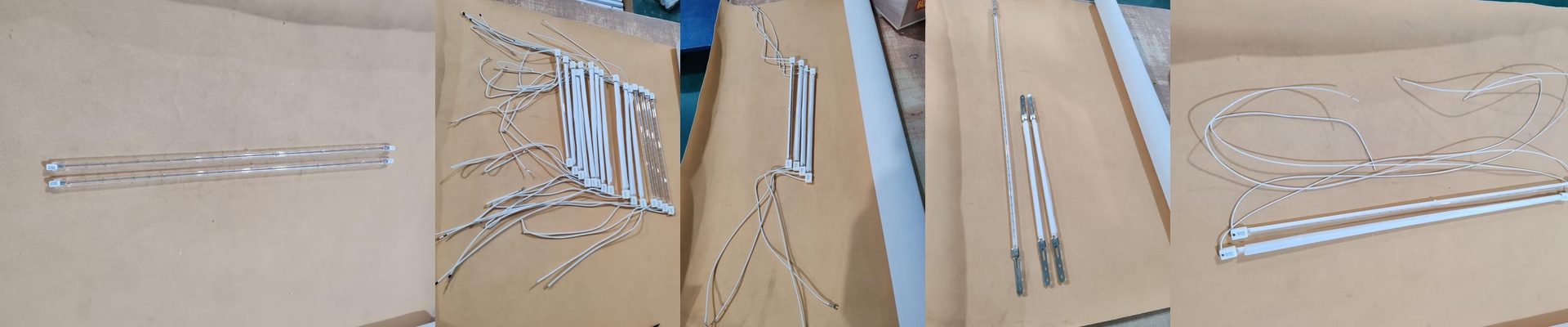
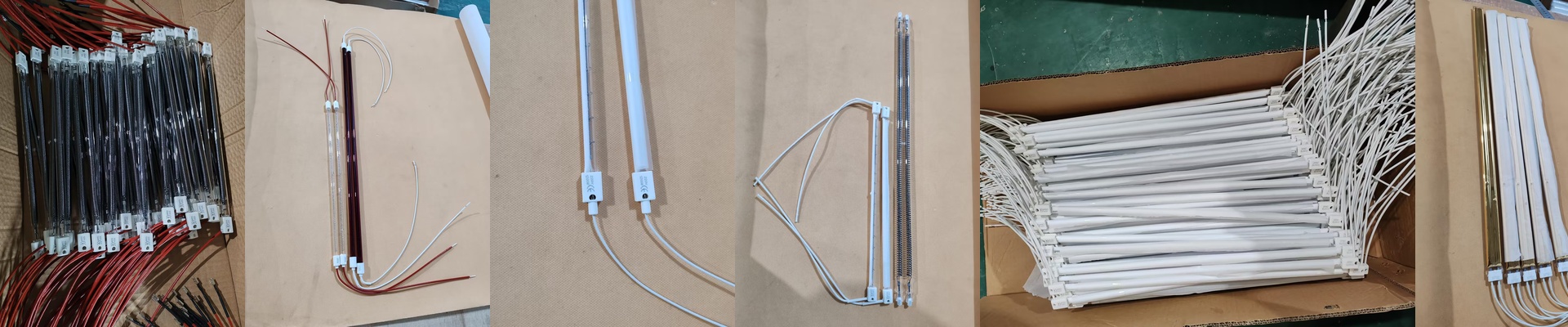
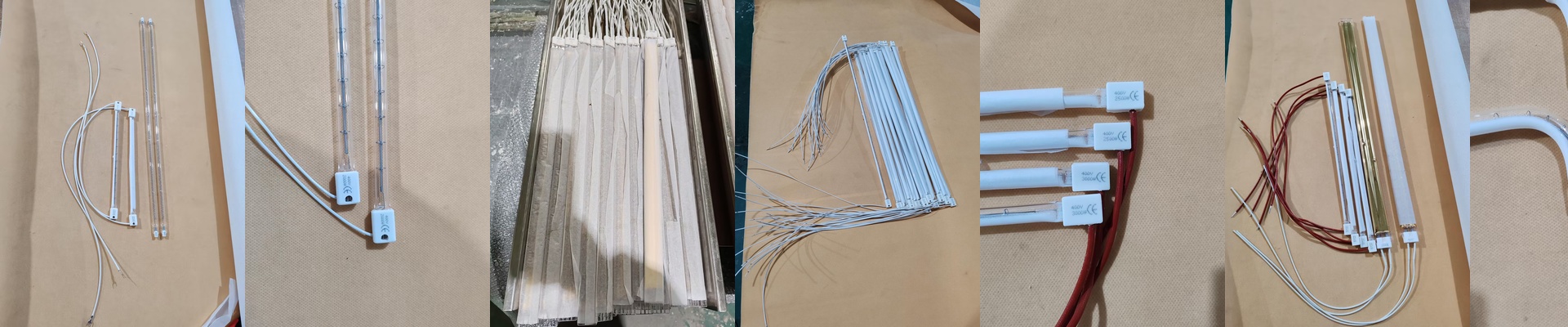
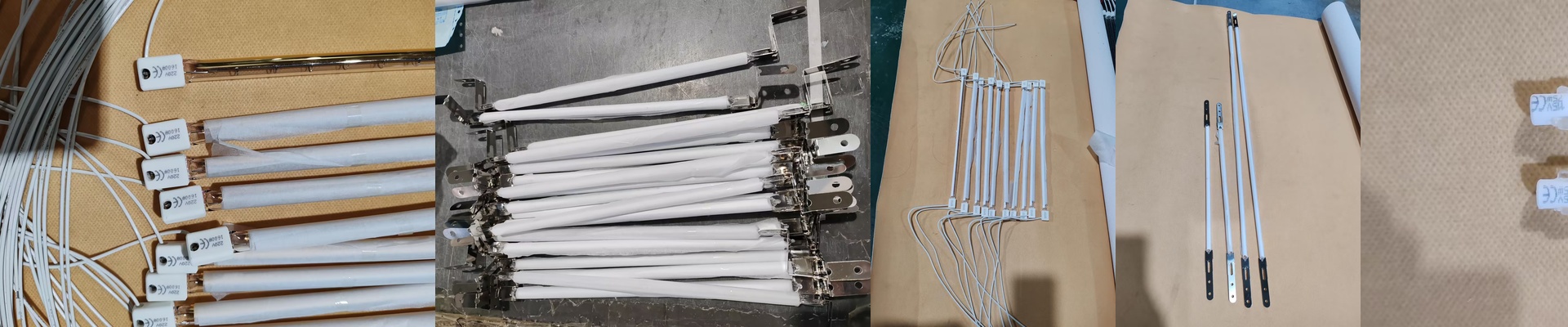
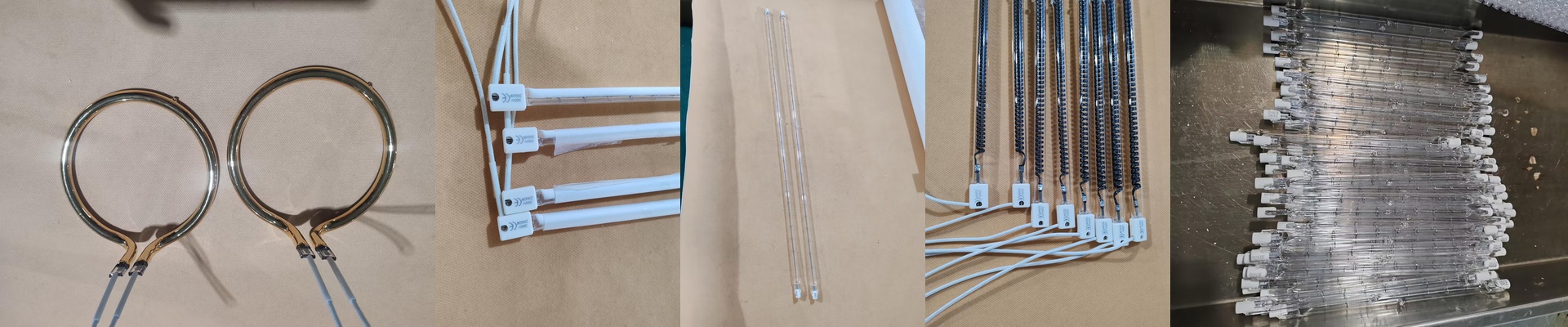
When you’re dealing with high-density thermal loads, you need something that doesn’t just “get warm”—you need raw power. That’s why we build these 1500W quartz halogen lamps. By stuffing a tungsten filament and halogen gas into a fused quartz envelope, we can crank the heat way past what your standard infrared tubes can handle. The quartz is the secret sauce. It lets the lamp hit extreme temperatures without warping or just giving up and melting. Let’s talk power. Putting 1500W into a compact tube creates an intense amount of heat. But here’s the thing: you’ve got to be precise with your voltage. If your supply doesn’t match the lamp’s specs exactly, you’re going to burn through that filament way too fast. And please, don’t skimp on the connectors. We usually stick with R7s or SK15 because they provide a tight fit. If the connection is loose, you’ll get arcing, and your sockets will fail. It’s a headache you just don’t want. How it actually works The halogen cycle is what keeps the lights on. The gas basically “recycles” the tungsten, pushing evaporated metal back onto the wire. This means the lamp runs hotter and lasts longer. Depending on what you’re doing, we can use coated quartz to tweak the heat. Some coatings reflect the heat back inward or focus it into shortwave IR. It’s great because it penetrates materials much faster. Real-world use You’ll see these all over PET bottle blowing and curing lines. The best part? The ramp-up time is incredible. You hit your target temperature in seconds. Not minutes. Seconds. But there’s a catch. These things runhot. Like, dangerously hot. If your reflectors get dusty or your airflow is blocked, the lifespan of the tube will tank. And for the love of everything, keep your fingers off the glass. A single smudge of oil or a fingerprint creates a “hot spot” that can crack the quartz envelope instantly. Also, make sure you’re using high-temp leads for your wiring, otherwise, you’ll be looking at melted insulation in no time.