Let’s Talk About Ruby Quartz Halogen Lamps
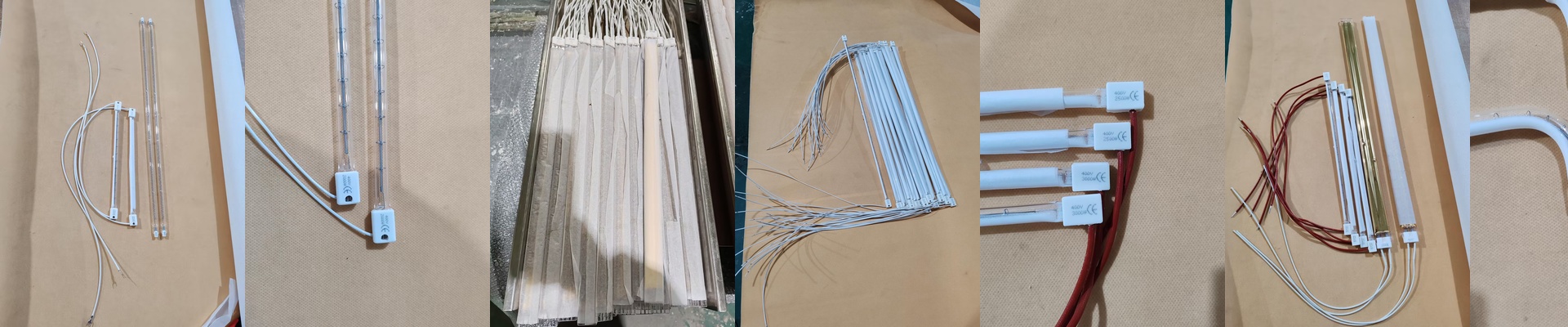
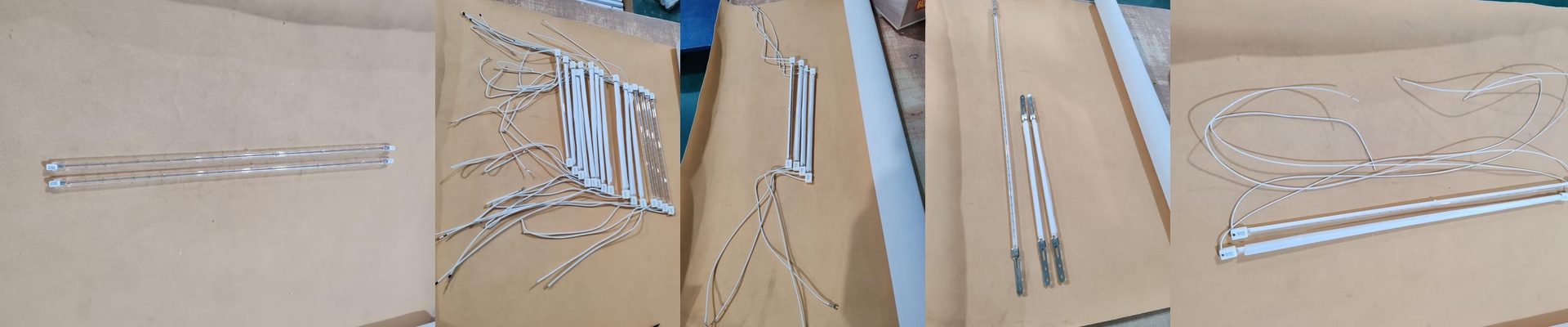
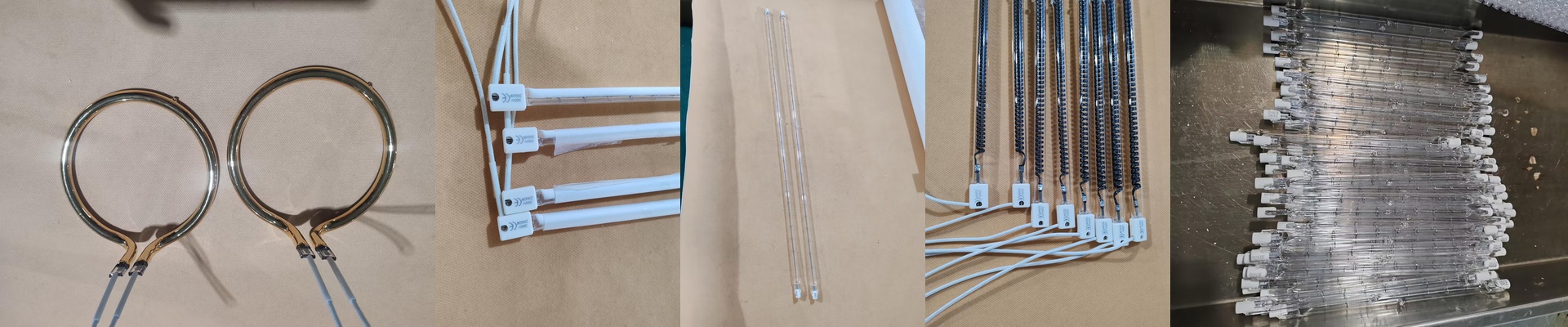
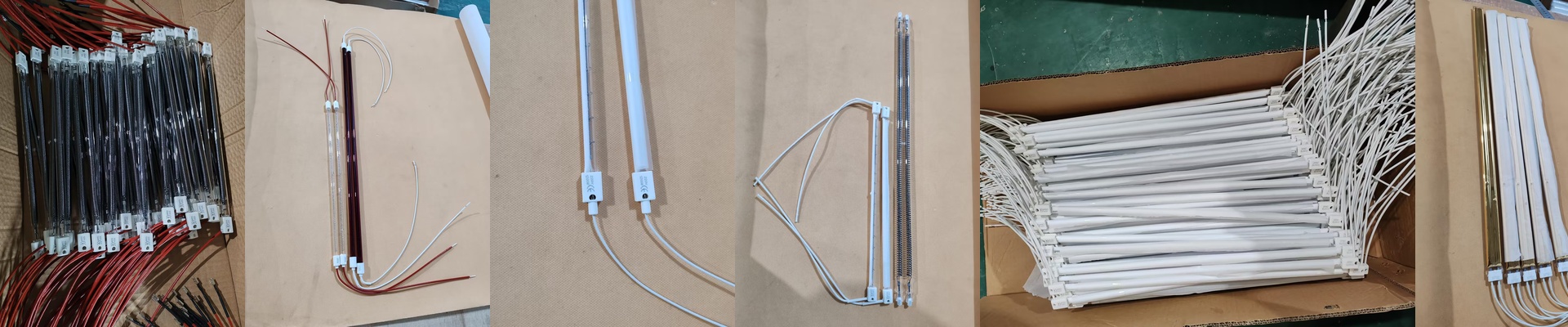
Ever wonder why some heating lamps have that distinct ruby-red glow? It’s not just for looks. These lamps are built for when you need a massive amount of heat, and you need it now. Basically, we take a high-purity quartz tube and wrap it in a ruby-red coating. This does two things: it keeps the filament safe from grime and gunk, and it tweaks the heat waves so they hit your material exactly where they’re needed. It’s all about getting that surface hot without wasting energy.
The Nitty-Gritty on Power
These things pack a punch. We usually set them up with high wattage because nobody wants to sit around waiting for a machine to warm up. But here’s the thing: when you’re plugging these into heavy-duty industrial grids, you have to watch the current. If you don’t, you’ll burn through your filaments way too fast. Also, since the heat is so concentrated, make sure your housing can take the temperature. If your reflector isn’t rated for the heat, it’ll warp. And that’s a headache you don’t want.
How They’re Built
Quartz is the secret sauce here because it doesn’t crack when the temperature swings wildly. Inside, we fill the tube with halogen gas. This stops the tungsten filament from evaporating and clouding up the glass. It keeps the lamp clear and the heat consistent for a lot longer. As for the setup? It’s painless. We use standard bases like R7s or SK15. They just slide right into most existing heating banks. You won’t need to rewire your whole shop just to get them running.
Putting Them to Work
If you’re doing PET blowing or shrink-wrapping plastic, these are your best friend. That ruby coating is key—it lets the heat soak into the polymer without scorching the surface. It’s fast. Really fast. Which is exactly what you need when your production line is flying. Just a heads-up: ruby lamps don’t behave exactly like clear ones. The heat signature is different. If you’re swapping out clear tubes for ruby ones, keep an eye on your timers. You’ll probably need to tweak your dwell times so you don’t accidentally overheat your parts.