Getting the Most Out of High-Density Halogen Heaters
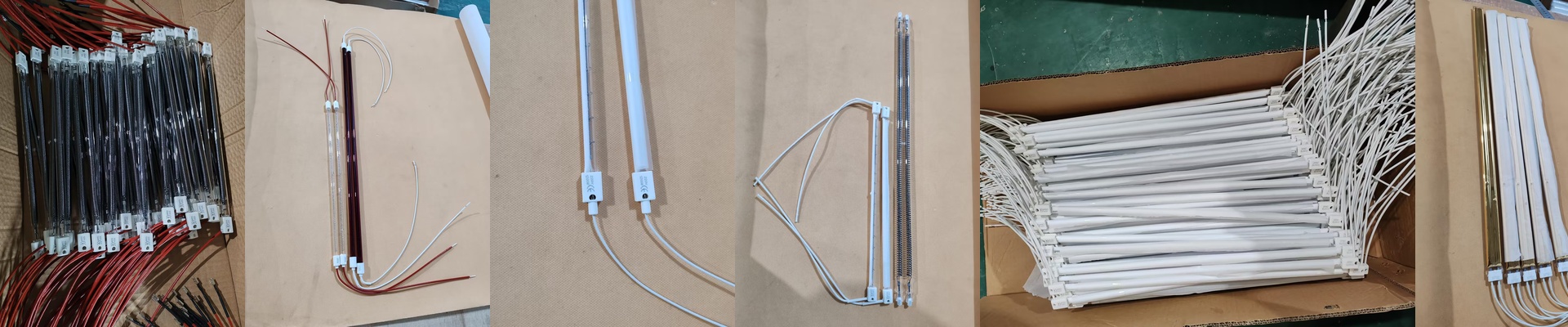
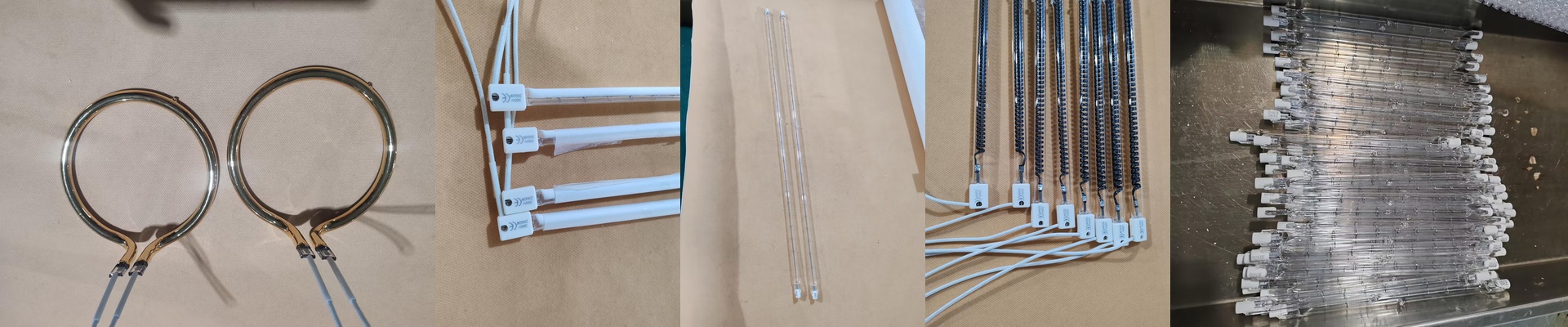
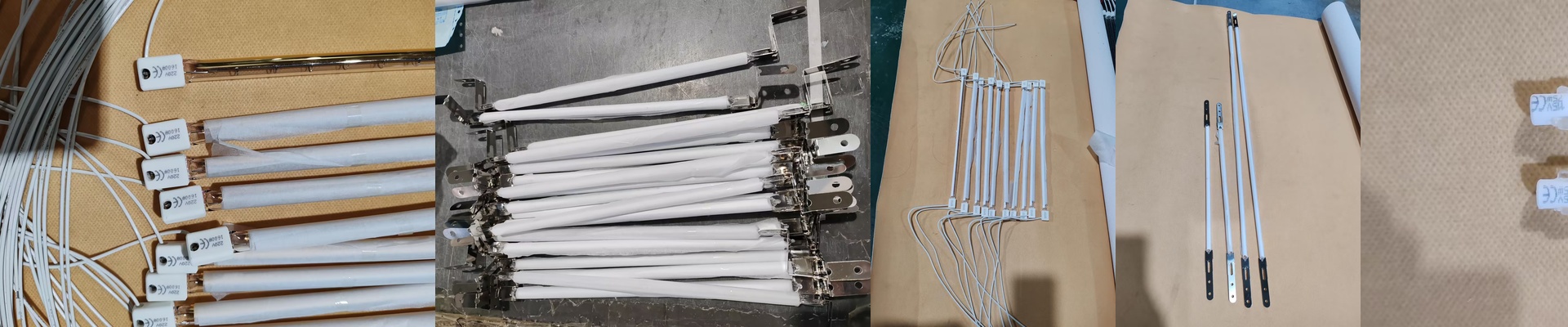
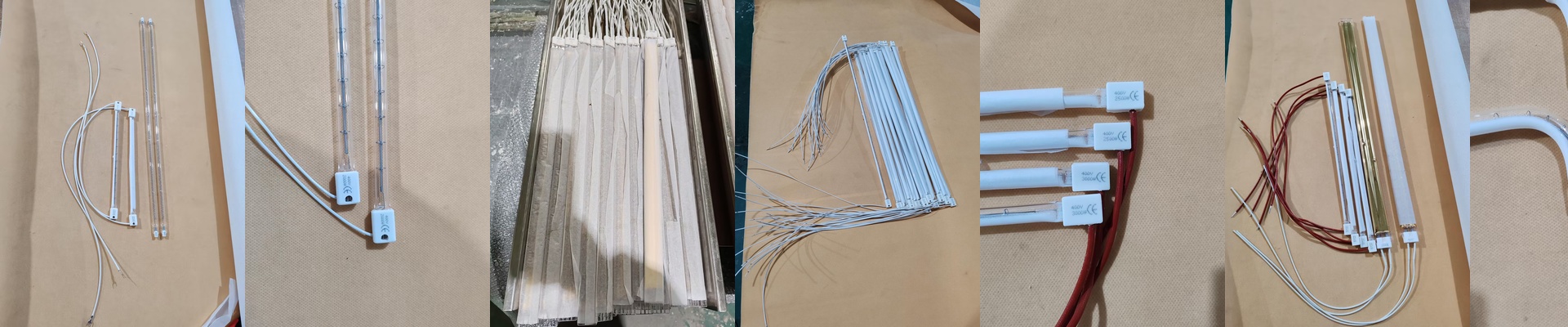
We build our halogen lamps to hit hard and fast with shortwave infrared energy. Instead of those old-school resistive coils, we use a tungsten filament tucked inside a quartz tube filled with halogen gas. The magic here is that the filament can run way hotter without just giving up and burning out. It pushes the heat into that shortwave IR spectrum, which means it actually penetrates your material instead of just warming the surface. Talking Power and Specs Your wattage and voltage choices basically decide how much “punch” your heat has. If you go with a high-voltage tube, you can keep the current low while still pushing a ton of energy into the workpiece. It’s a great way to keep your wiring clean and compact. But a word of caution: if you’re running a 2500W lamp, things getintense. You’ve got to make sure your chassis and fans can actually handle that kind of ambient heat. If you don’t, you might find your oven housing warping on you. The Nitty-Gritty: Materials and Fits We stick with high-purity quartz for the envelope. Why? Because it doesn’t freak out when the temperature swings wildly—it handles thermal shock way better than standard glass. For the connections, we usually go with R7s or SK15 bases. They’re basically plug-and-play for most industrial sockets. They fit tight, which is exactly what you want so you don’t get any nasty arcing at the terminals. Some of our lamps even come with special coatings. These act like a mirror, bouncing the heat back toward your target and keeping the oven walls from soaking up energy they don’t need. The Real-World Trade-off The best part? These things heat up almost instantly. You aren’t sitting around waiting for a heavy chunk of cast iron to finally get warm. But there’s a catch. Quartz is fragile. One clumsy move during install or a stray splash of coolant, and you’ve got a cracked tube. To keep them alive longer, I really recommend using a PID controller. It stops the lamp from aggressively clicking on and off, which saves the filament from wearing out too fast.