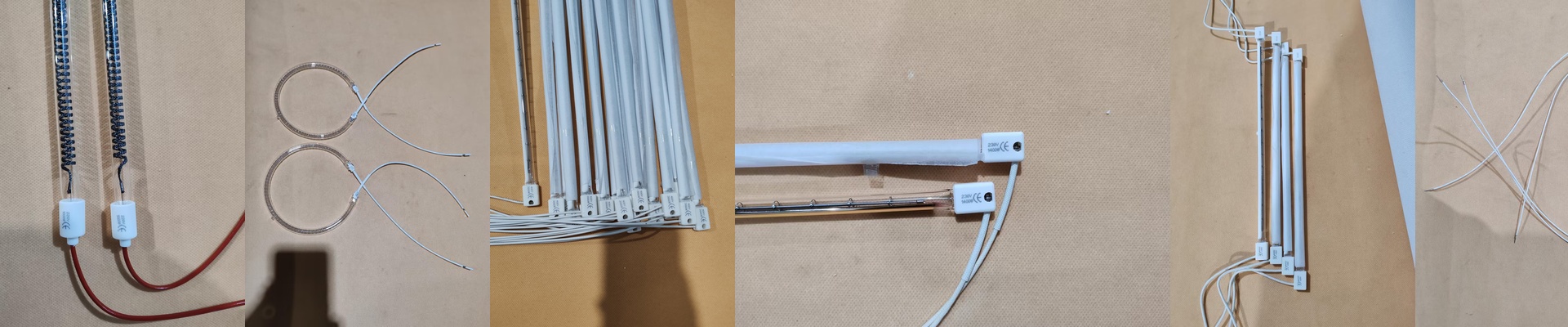

Why your datasheet is lying to you about IR heating
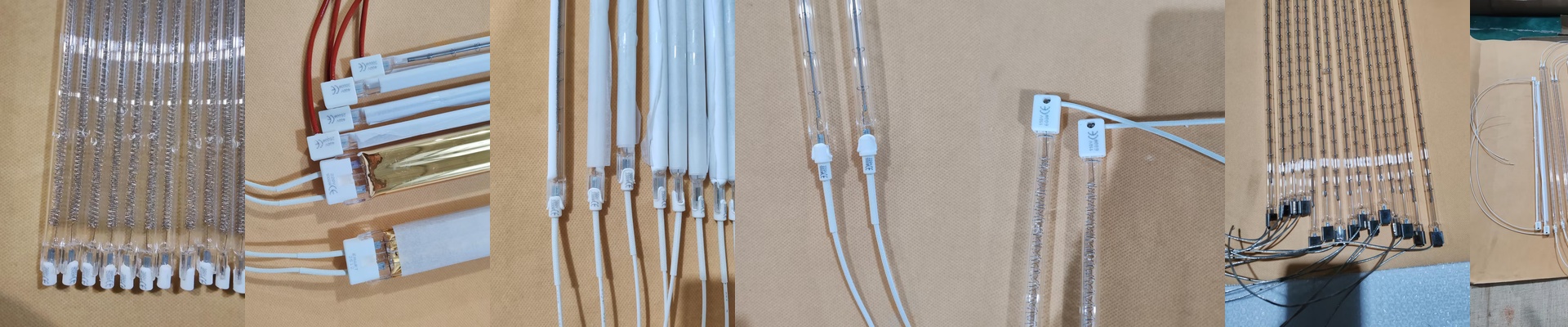
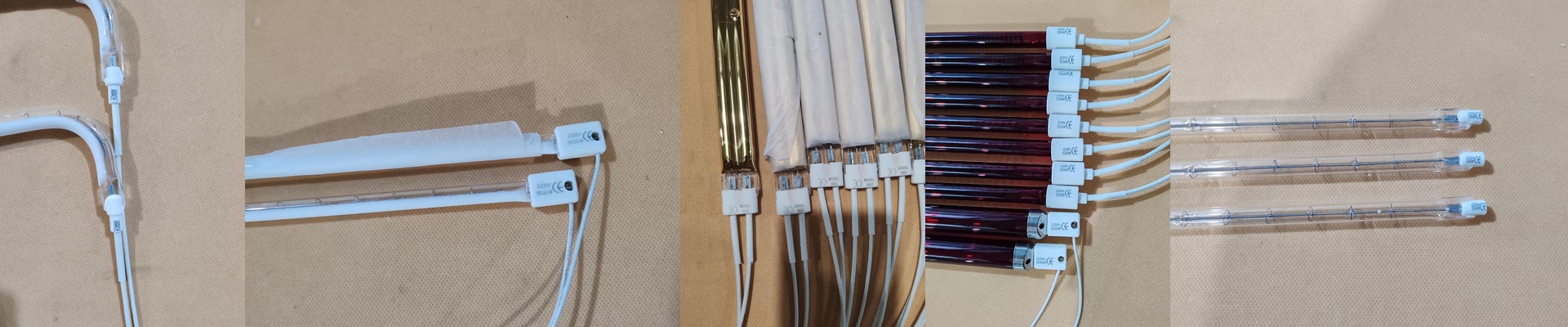
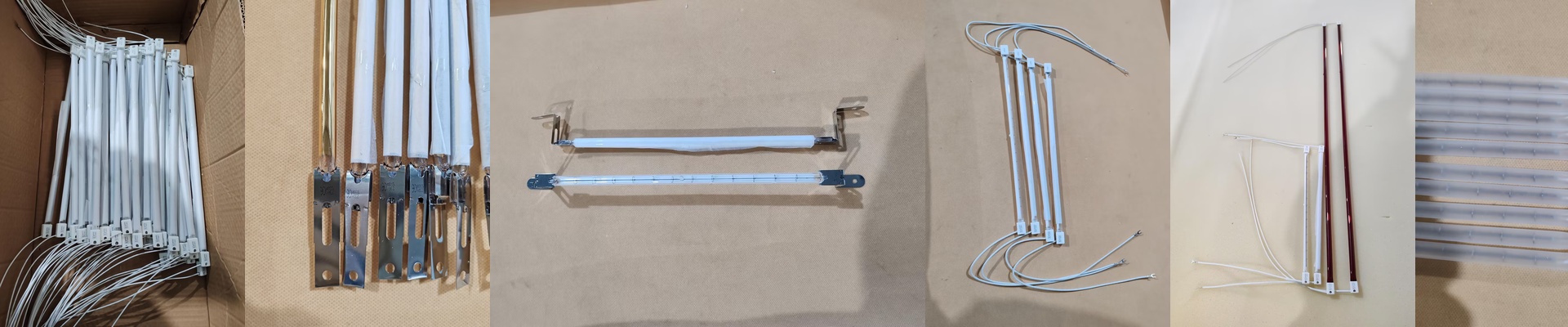
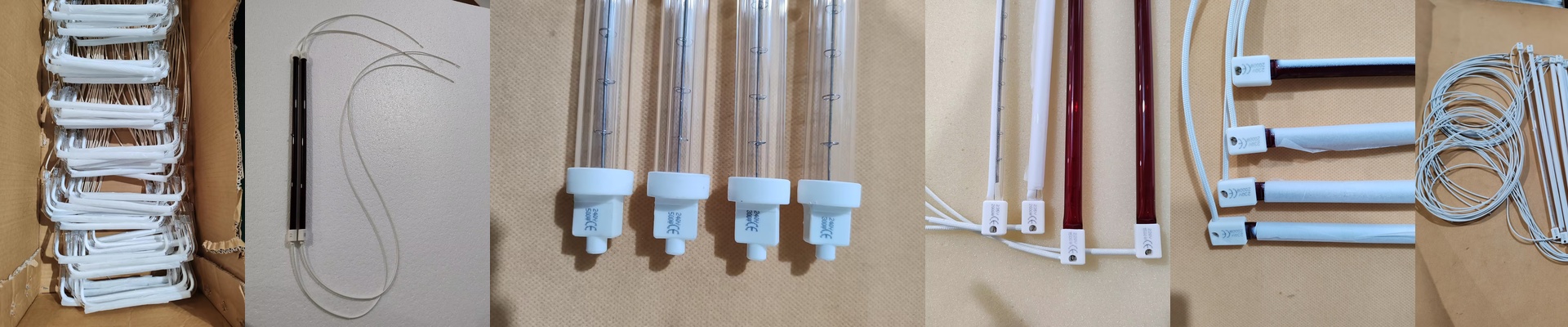
When you’re picking out heating lamps for plastic processing, it’s easy to just stare at the wattage and voltage on a spec sheet and think you’ve got it figured out. But here’s the thing: those numbers only tell half the story. I’ve seen plenty of engineers swap one brand for another because the specs looked identical, only to realize—too late—that their preforms aren’t heating evenly. The real secret isn’t in the numbers; it’s in how the heat actually climbs and how it spreads across the tube. The “Rise Curve” headache Two lamps can have the same power rating, but they won’t hit your target temperature at the same speed. That’s where the thermal rise curve comes in. If the curve is steep, you hit your temp fast. That means less wasted energy and faster cycle times. If your current lamps feel like they’re taking forever to stabilize, you’re basically throwing throughput down the drain. The struggle with uniformity This is where the cheap tubes usually fall apart. You end up with these annoying “hot spots” right in the middle and cold edges. Usually, it’s because the filament isn’t centered or the quartz thickness is all over the place. In PET blowing, this is a nightmare. A tiny 5-degree difference can mess up your wall thickness or leave you with uneven stretching. You need that heat to be flat and consistent from one end to the other, or you’re just inviting defects into your batch. The trade-offs you need to know Now, you might think, “Great, let’s just crank up the density for faster results.” But be careful. Pushing for a faster rise with higher wattage in a small space puts a lot of stress on your gear. Your lamp holders and wiring will take a beating. Plus, if your cooling fans aren’t up to the task, you’re risking melted connectors because the ambient heat around the sockets gets way too high. If you’re not sure where you stand, just run a side-by-side test. Grab a heat map of your current setup and compare it to ours. The data usually makes it pretty obvious exactly where you’re losing money.