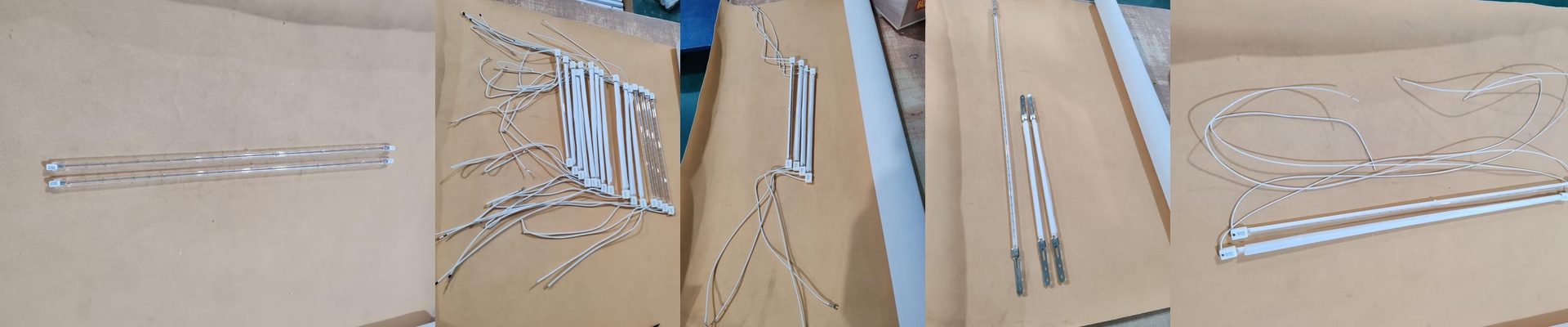
Can you actually cut plastic processing power costs by 20% just by swapping out some lamps?
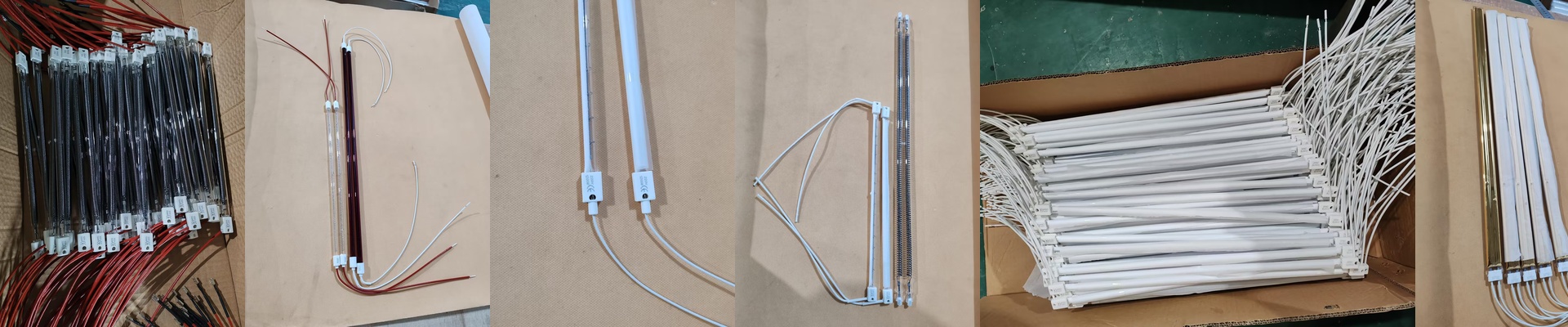
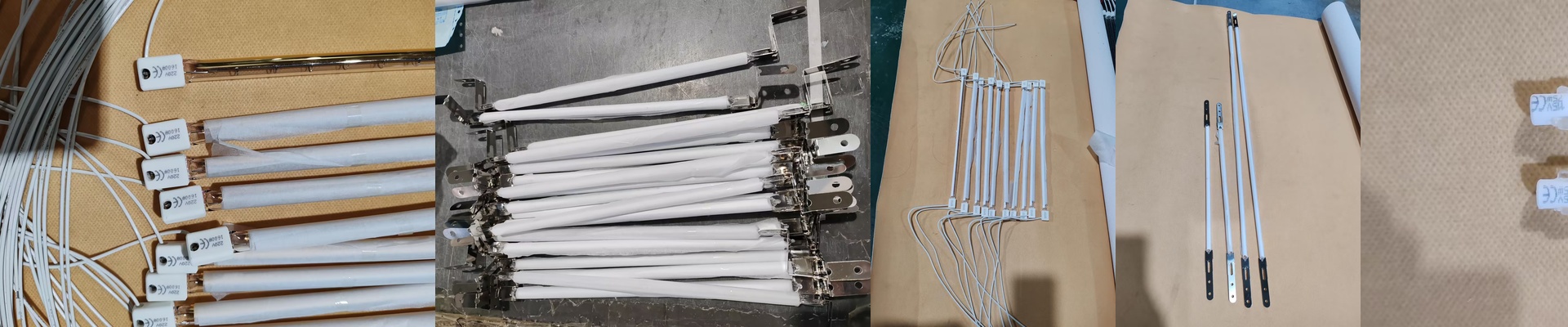
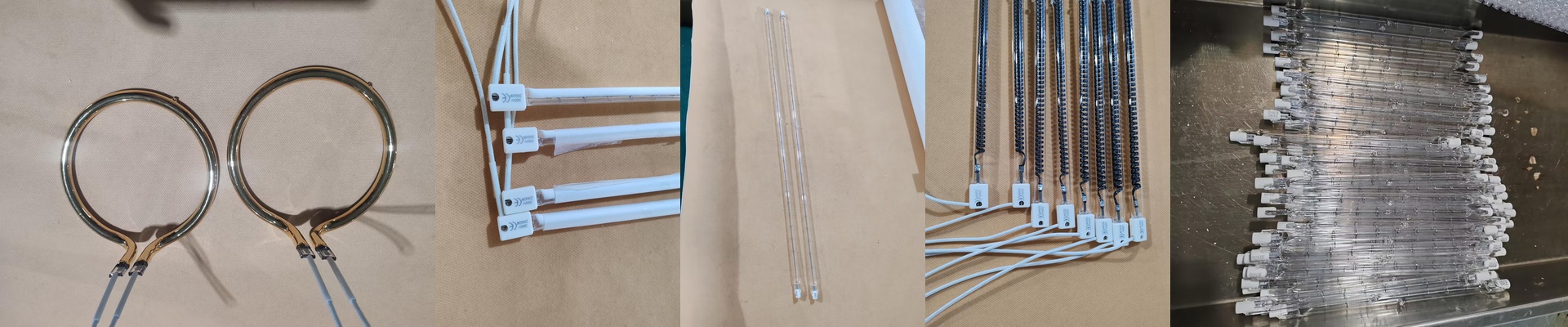
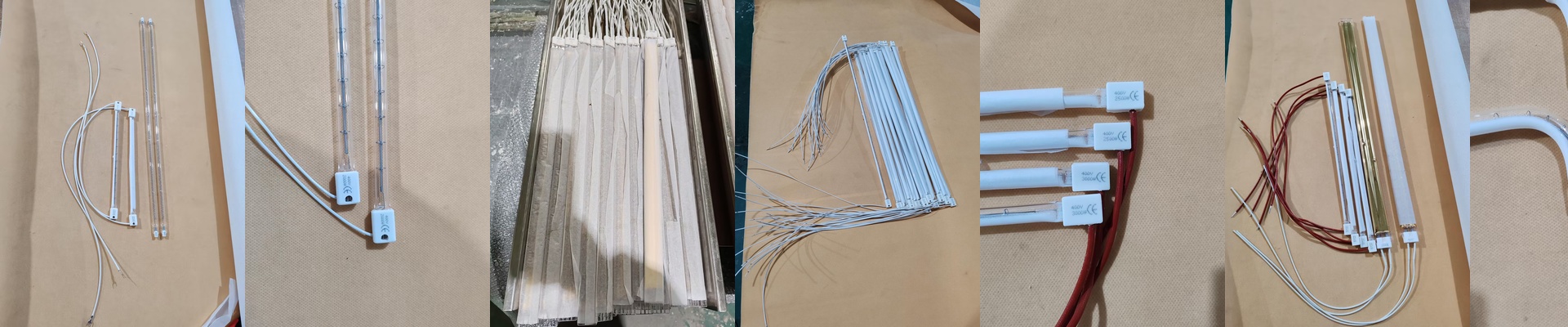
If you’re running an old plastic processing tunnel, you probably know the feeling. You can practically feel the heat leaking out of the machine, and your power bill reflects that waste. It makes you wonder: can you actually hit a 20% energy saving just by swapping out the infrared (IR) lamps, or do you have to tear down the whole oven and start over? Here is the deal. Most old systems are basically heating the air, which then heats the oven walls, which eventually heats your plastic. It’s inefficient. By switching to high-output short-wave or medium-wave quartz elements, you change the game. Instead of warming up the whole room, the heat hits the product directly. It’s faster. Much faster. And you stop paying to heat the walls of your factory. But wait—you can’t just grab any bulb off the shelf and call it a day. To actually see that 20% drop, you have to match the wavelength to your specific material. If you shove a high-density 2500W tube into a frame built for 1000W, you’re asking for trouble. You might warp the frame or, worse, fry your wiring. Then there’s the control side of things. New IR lamps react instantly. If your PID controllers are old and sluggish, they won’t keep up. You’ll end up overshooting your temperature and turning a batch of plastic into expensive scrap. The good news? This is a huge win for anyone looking for “low-hanging fruit” to meet green energy goals. Since you aren’t changing the footprint of the machine, the install is quick. You just wire them into the existing rails, tweak the settings, and watch the kWh drop on your meter. The real magic happens in the duty cycle. Right now, your heaters are probably cranking at 80% just to keep up with a leaky oven. With a high-efficiency IR setup, you might only need to pulse at 50% to get the exact same surface temperature on your plastic. That’s where the money is.