Stop Overpaying for Your Infrared Heaters
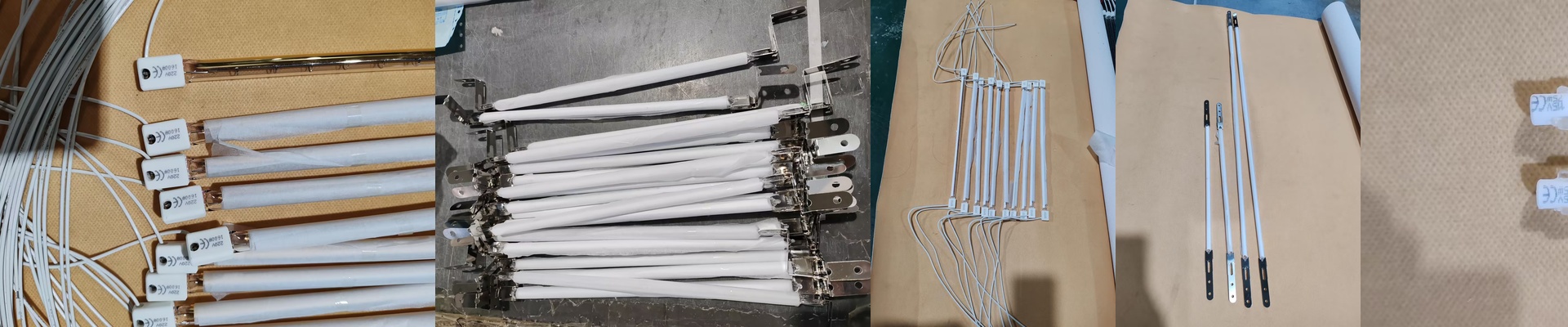
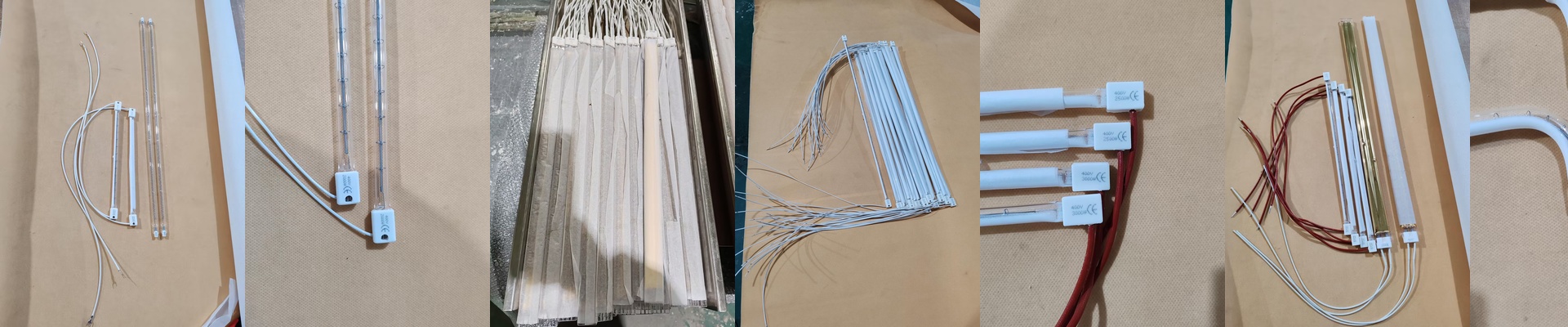
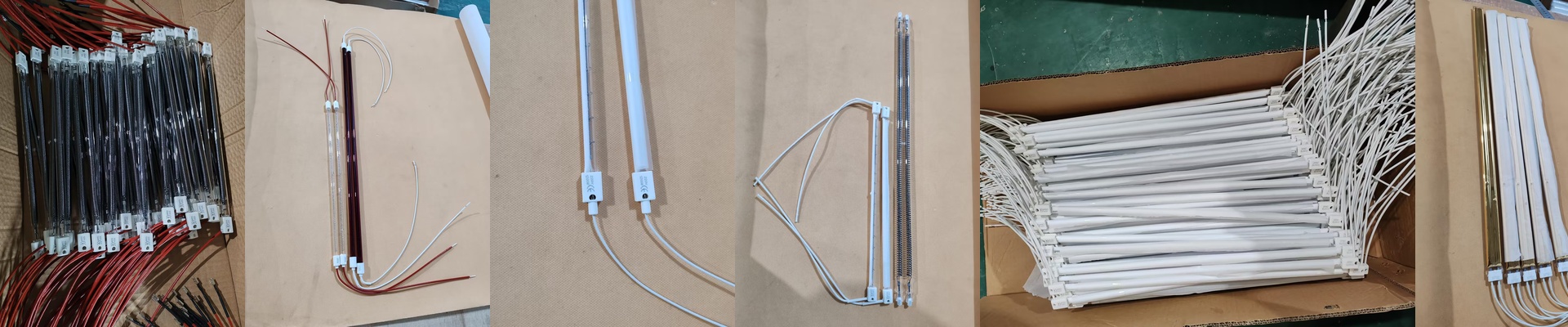
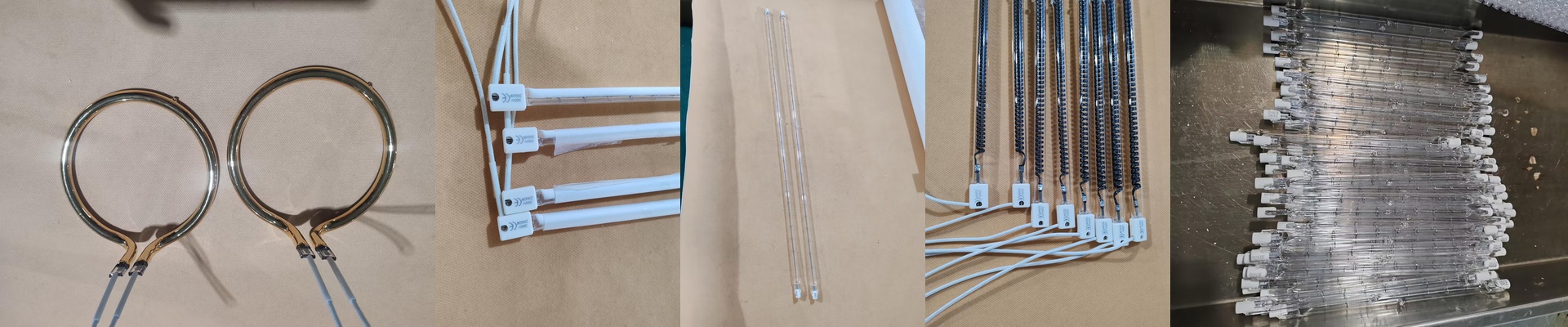
Let’s be honest. A lot of plants are still paying a massive premium for name-brand infrared lamps because they think a higher price tag means they won’t break. But if you’re doing PET blowing or extrusion, you know the physics of heat don’t care about a logo. I’m seeing more and more shops switch over to domestic ceramic infrared heaters. They slide right into the same spots as the expensive imports, do the exact same job, but they don’t come with that eye-watering markup. The real talk on heat density Ceramic heaters work with long-wave radiation. Unlike those quartz tubes that spike in temperature and can be a bit erratic, ceramic gives you a steady, diffused heat. That’s a huge deal. It stops those annoying “hot spots” from burning your resin. When you’re picking these out, just look at the wattage-per-centimeter. If your machine needs 2000W in a specific spot, you need a heater that actually hits that number. We build ours to keep those tolerances tight so your melt temperature stays exactly where it needs to be. Built for the grit of a factory floor Factory floors are messy. You’ve got dust, chemical fumes, and general chaos. That’s why the ceramic housing is so great—it protects the internal element. It can take a beating that would shatter exposed glass in a heartbeat. We use high-grade alumina ceramics so the lamps don’t crack when the temperature swings wildly. They’re easy to wire into your current setup. Just a heads-up: keep an eye on your voltage drop if you’re running long cables. The one catch: Thermal Inertia Now, here is the trade-off. Ceramic heaters aren’t “instant.” They have more thermal inertia than short-wave halogen lamps, meaning they take a little longer to warm up and a little longer to cool down. If your process requires you to tweak temperatures in a split second, ceramic might feel too sluggish for you. But for steady-state heating? The stability is a lifesaver. You get the same result at the end of the day, just without the brand-name invoice staring back at you.