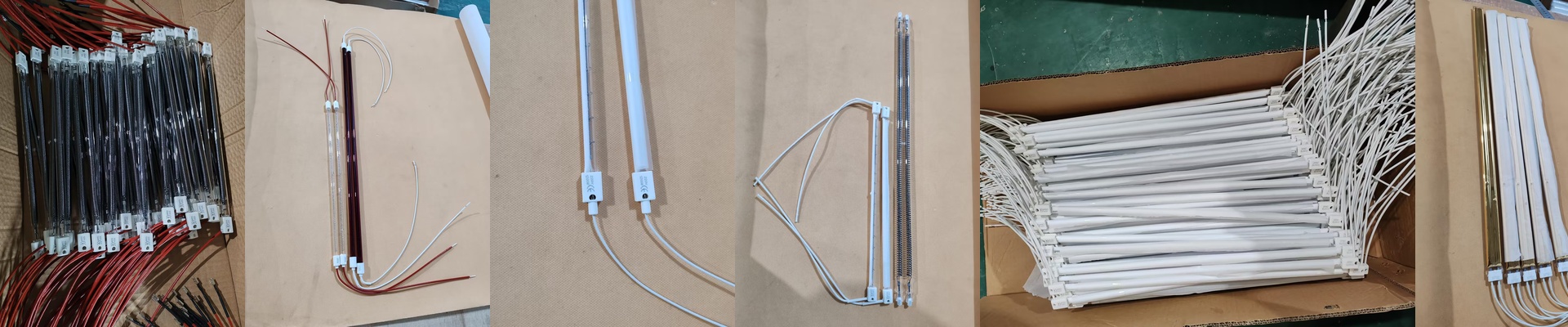
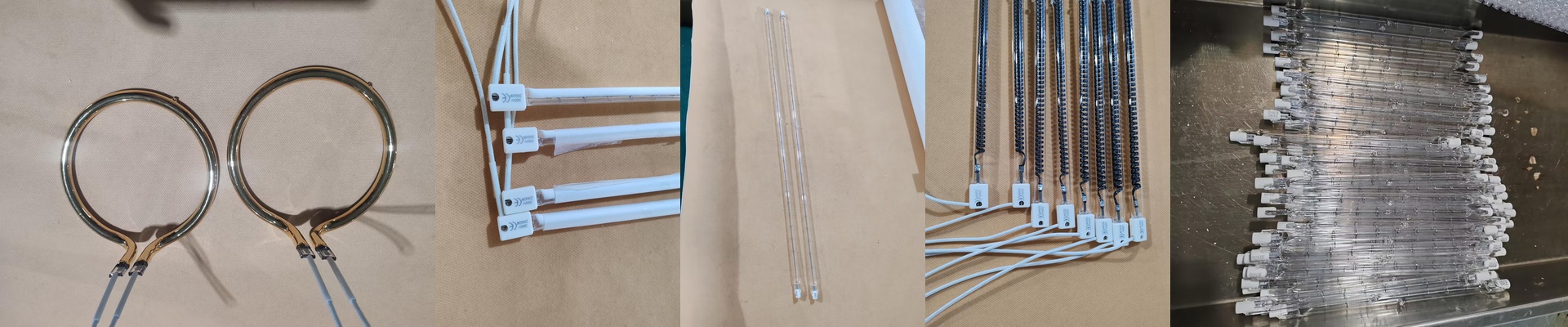
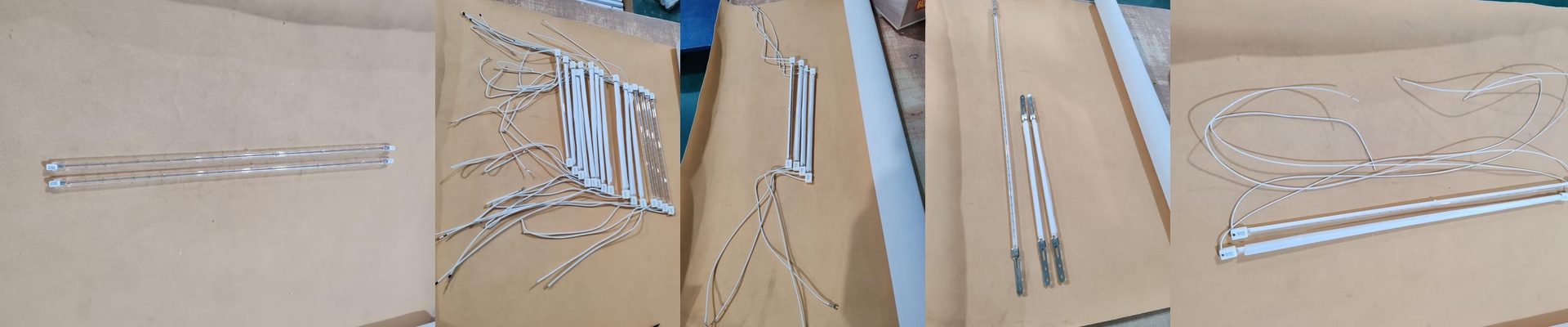
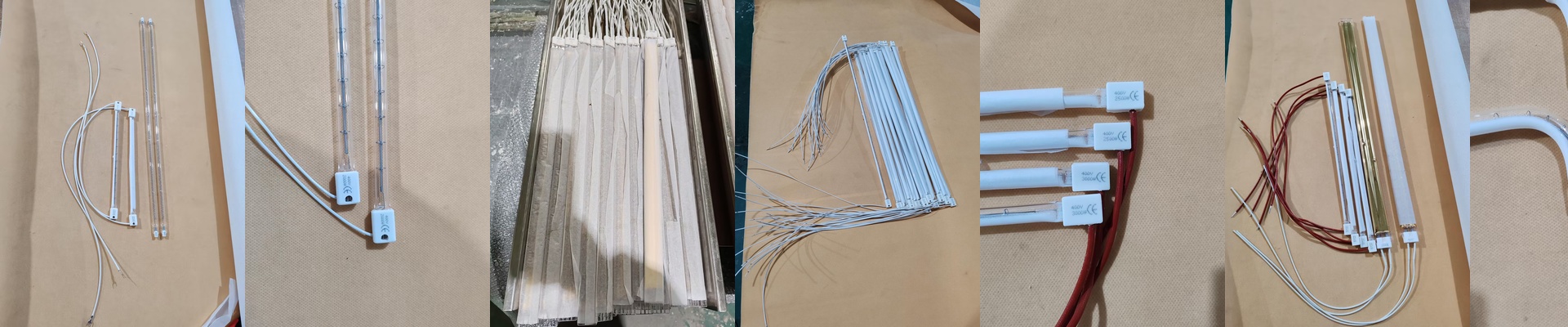
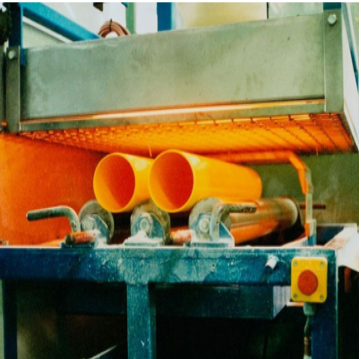
Cutting costs on plastic heating isn’t as simple as hunting for the cheapest lamp on a website. If you go too cheap, you usually just end up paying for it in slower production. It all comes down to how the heat actually hits the material. We obsess over the physics of the heating element so you don’t have to throttle your line just to save a few bucks on hardware. Seeing is believing I get why people are nervous about switching suppliers. Nobody wants to wake up to a warehouse full of warped parts or cycle times that have crawled to a halt. That’s why we don’t ask you to trust a PDF spec sheet. Those are fine, but they don’t tell you how your specific PET or PVC loads will react. Instead, just put our lamps in your ovens and run your usual shift. If the pre-heat takes too long or the plastic looks off, then the spec isn’t right. Simple as that. The balancing act If you’re working with thin-walled plastics, you need a rapid ramp-up. High-wattage IR lamps do the trick, but there’s a catch. If you cram too much power into a small area, you get hot spots. It’s a bit of a dance between voltage, wattage, and how fast your conveyor is moving. Push too hard without adjusting your dwell time? You’ll burn the material. We’ll help you dial those settings in so you’re hitting the fastest cycle possible without ruining the parts. The practical stuff When you swap a lamp, it should just work. We use standard connectors because the last thing you need is to spend your weekend rewiring a whole rack. One thing to watch out for, though: if you crank up the heat output, your cooling fans are going to work harder. If you move to a higher-density lamp, take a look at your cabinet ventilation. If that heat has nowhere to go, your controllers will trip and shut everything down. We’ll get you the hardware, but you’ll want to make sure the airflow can keep up with the load.