Stop Overpaying for “Name Brand” Infrared Heating
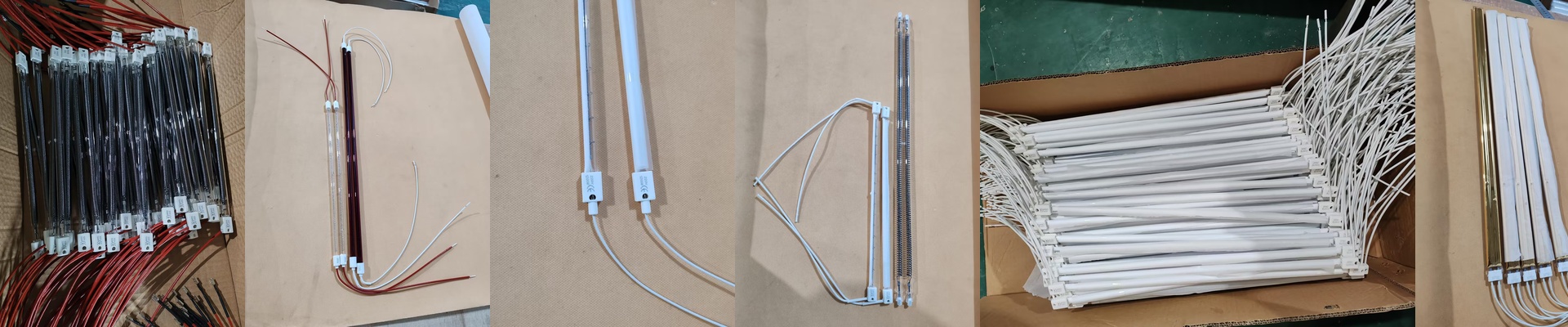
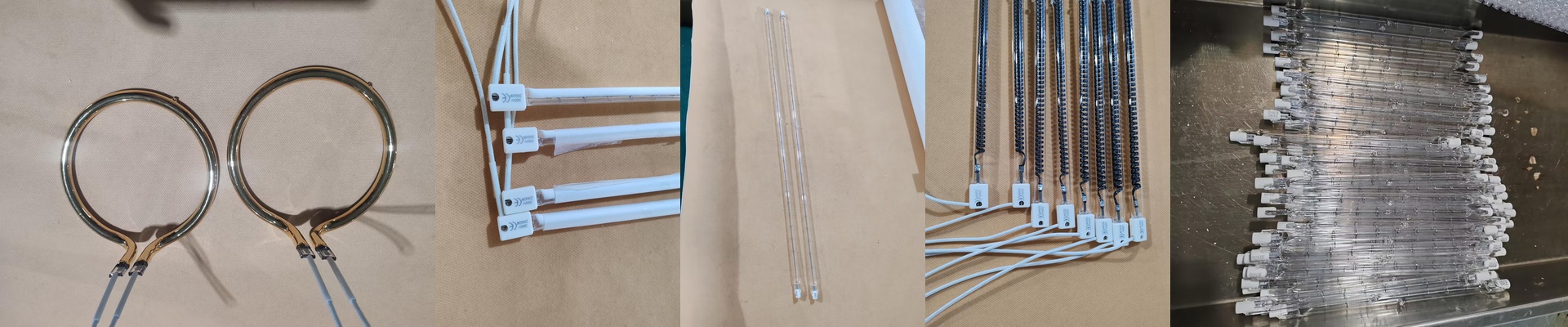
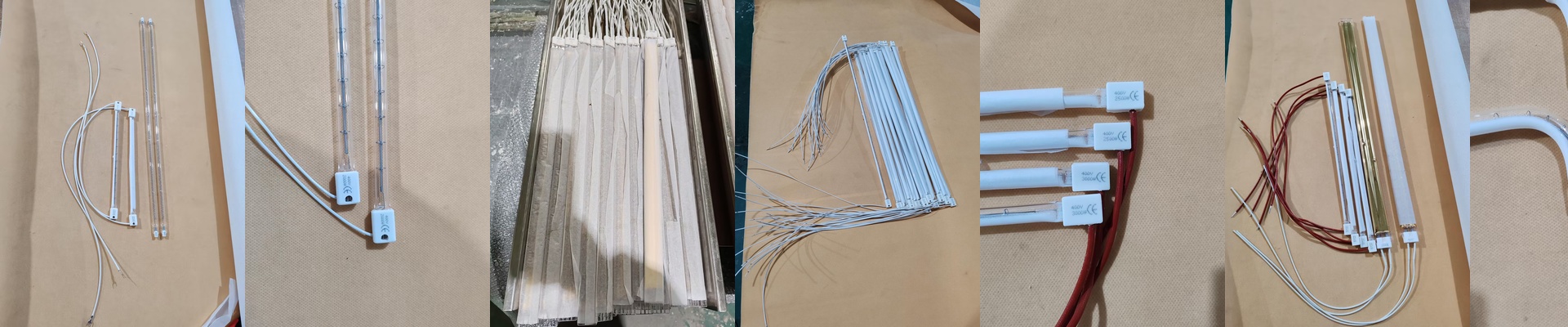
I talk to a lot of engineers who swear by those premium European brands for plastic heating. They’re terrified that if they try a domestic alternative, the tubes will just burn out or the temperature will jump all over the place. We see it all the time in PET blowing and thermoforming lines. But here’s the thing: we’ve actually put our quartz halogen tubes side-by-side with those “gold standard” brands in real-world stress tests. The results? The thermal output and lifespan are basically identical. You get the exact same heat density, just without the massive brand-name markup.
Let’s talk power and voltage
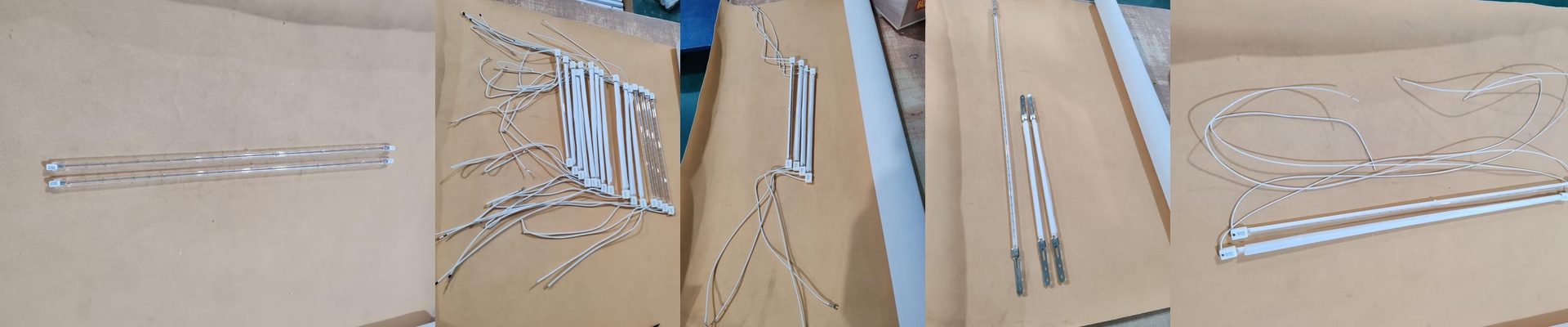
We build these tubes to pack a lot of wattage into a tiny space. By using a 400V configuration, we can push more power through the filament without cranking up the current so high that your connectors start to melt. This is a big deal for short-wave infrared (SWIR) work. High voltage means the lamp hits its operating temperature faster, so your machine spends less time warming up and more time actually working. Just a heads-up: if you’re pushing 2500W through a 300mm tube, it getsinsanely hot. Make sure your cooling fans are up to the task, or you’re going to warp your lamp holders.
The nuts and bolts
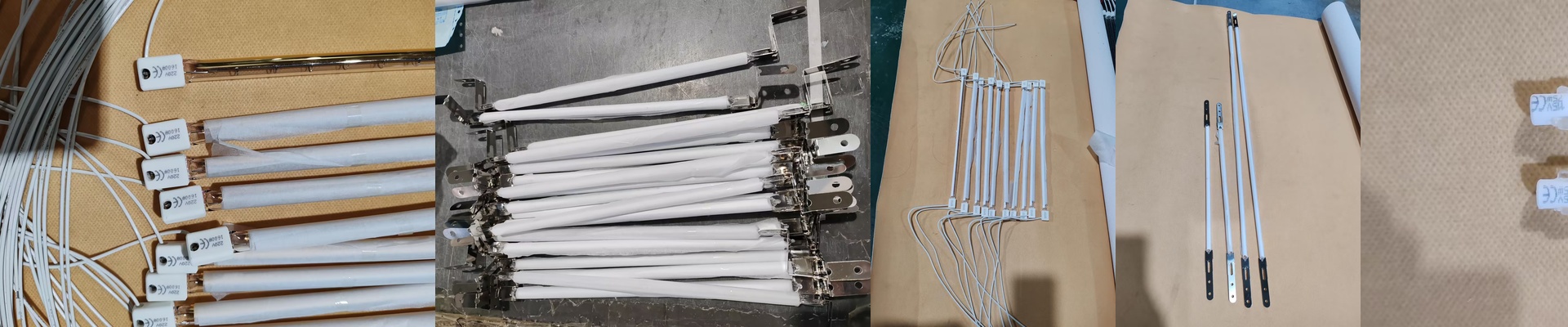
We use high-purity synthetic quartz. Why? Because it doesn’t sag when things get hot. Plus, the halogen cycle keeps the filament fresh, so these last way longer than your basic incandescent tubes. As for the setup, we use R7s or Sk15 connectors. They’re simple drop-in replacements. You won’t have to spend your weekend rewiring the control cabinet or swapping out sockets just to make the switch.
Making it work on the floor
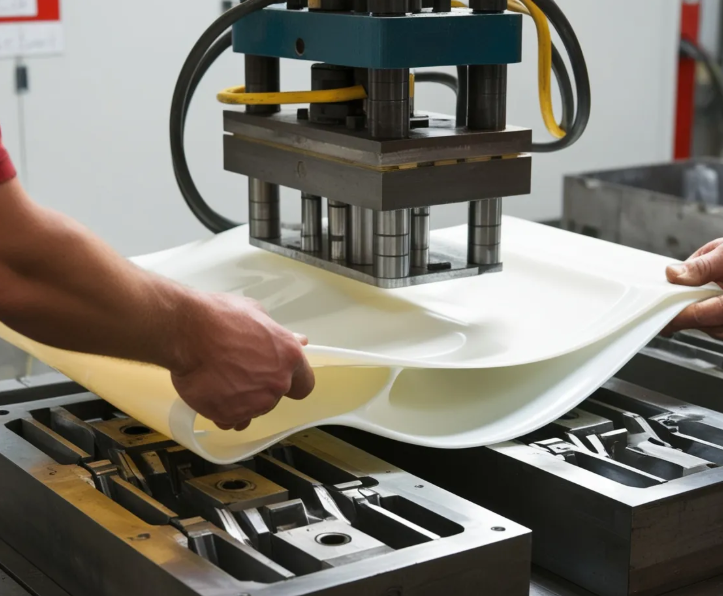
In the world of plastic heating, uneven heat equals scrap. It’s that simple. We offer different coating options so you can tune the emission spectrum to match whatever polymer you’re running. It stops that frustrating problem where the surface of the plastic scorches while the core is still cold. Of course, there’s always a trade-off. Higher power means you can push more product through the line, but you’ll need to keep a close eye on your PID tuning so you don’t overheat the preform.