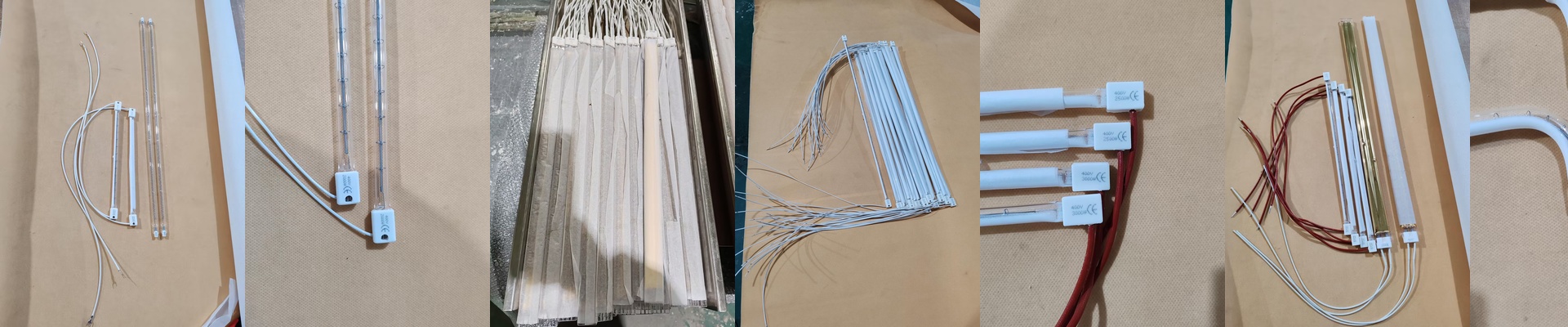
High-Wattage Plastic heating That Doesn’t Break the Bank
Let’s be honest. Most engineers just go with OYATE when they’re putting together a heating system. It’s the default. But here’s the thing: we build our lamps to those same technical specs, we just don’t tack on the massive brand markup. It’s a simple goal. You get the heat density and the lifespan you need, without paying for a fancy logo.
Getting the heat right
If you’re doing PET blowing or plastic forming, you can’t wait around. You need that heat to hit now. We spend our time obsessing over the relationship between voltage and wattage so your tubes don’t just burn out and leave you stranded. By tweaking the tungsten filament and the gas fill, we’ve managed to match the output of those high-end European lamps. If you’re running a 400V system, you’re getting that intense shortwave radiation that cuts through plastic quickly.**One quick tip, though:**high heat density is tough on your reflectors. Keep your housing clean. If it’s dusty or grimy, you’re basically throwing away 20% of your efficiency.
The nuts and bolts
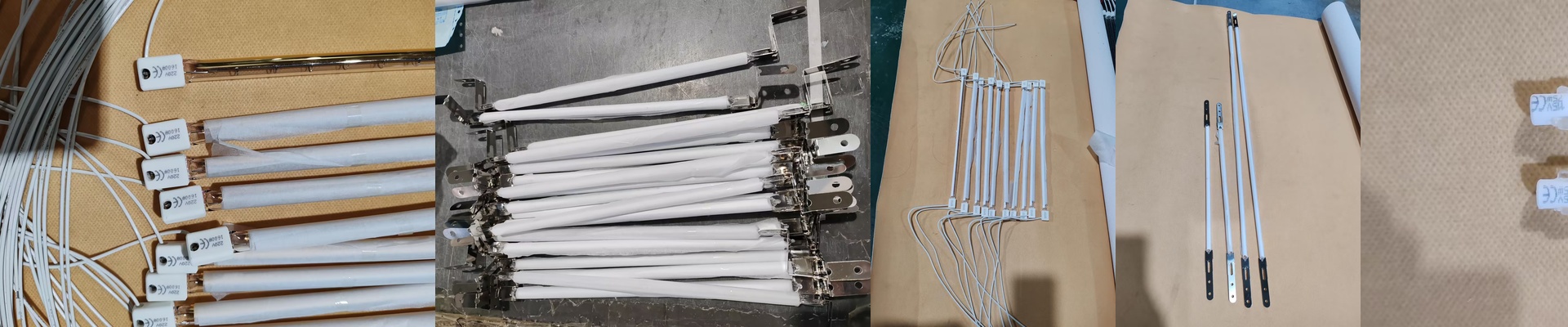
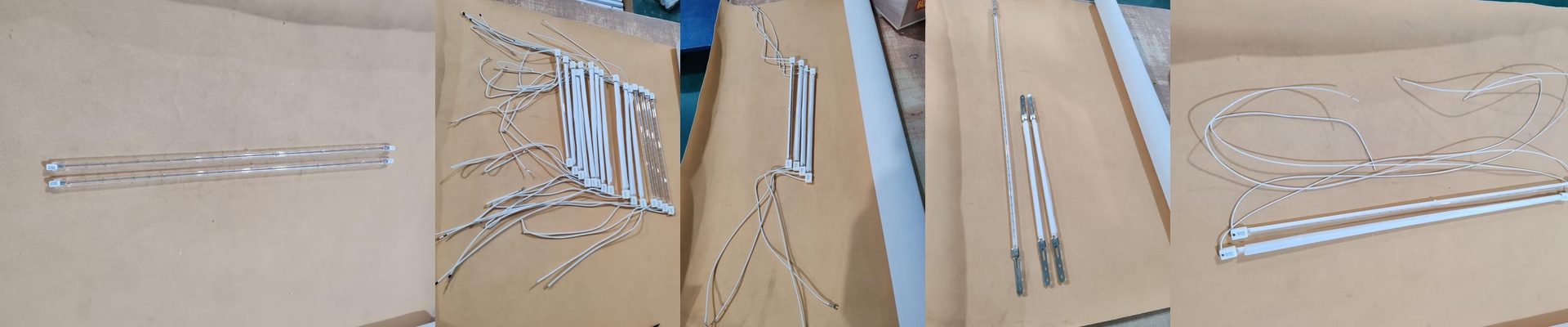
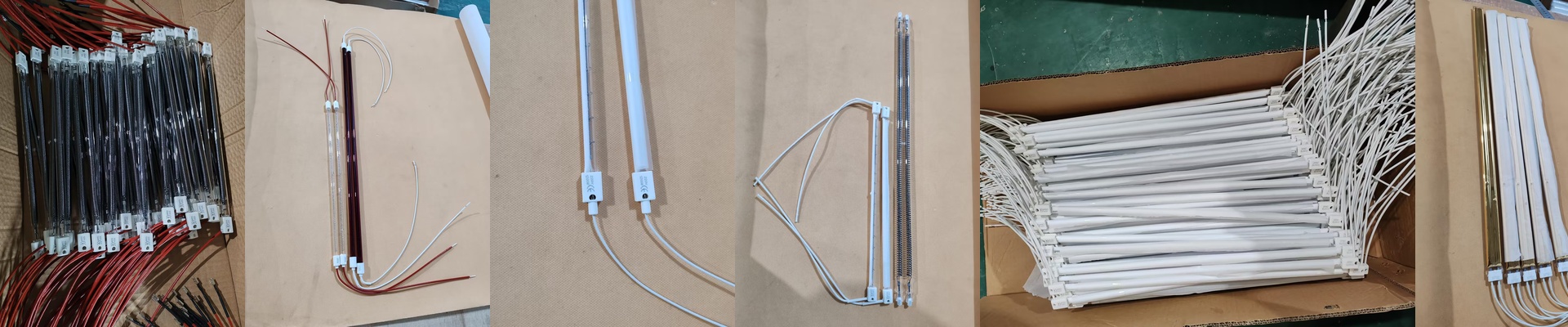
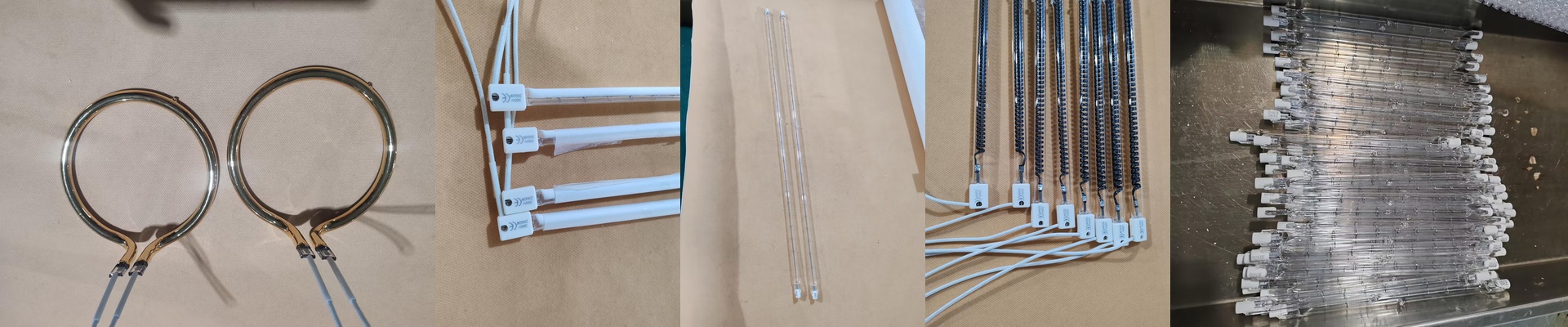
We use high-purity quartz glass. Why? Because it doesn’t bow or warp when things get scorching. We also use a halogen cycle to keep the filament from evaporating too fast, which means the lamps actually last. As for the fit, we use standard R7s and Sk15 bases. They’re drop-in replacements. You can just swap our lamps into your existing rigs and get back to work—no need to spend your weekend rewiring the whole machine.
Built for the shop floor
These aren’t delicate lab instruments. They’re built for the real world, where things get messy and the cycles are constant. We’ve tuned the coating to make sure the heat actually hits the plastic, not the frame of your machine. You get the same thermal profile as the big industry names. The only real difference? We don’t spend a dime on flashy marketing. We put that money into the raw materials instead. Same quartz. Same tungsten. Same power. Just a much fairer price.