Getting Your PET Blowing Right: The Truth About Quartz Heating Lamps
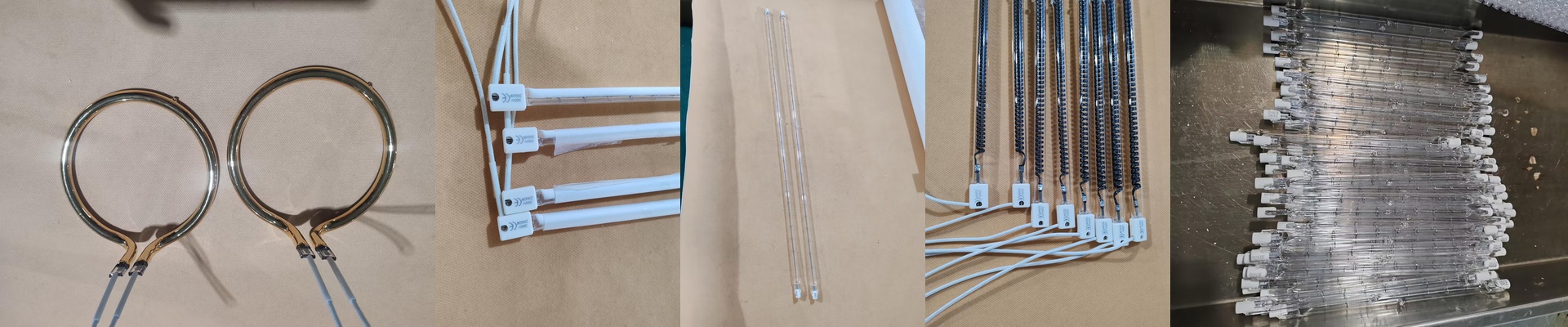
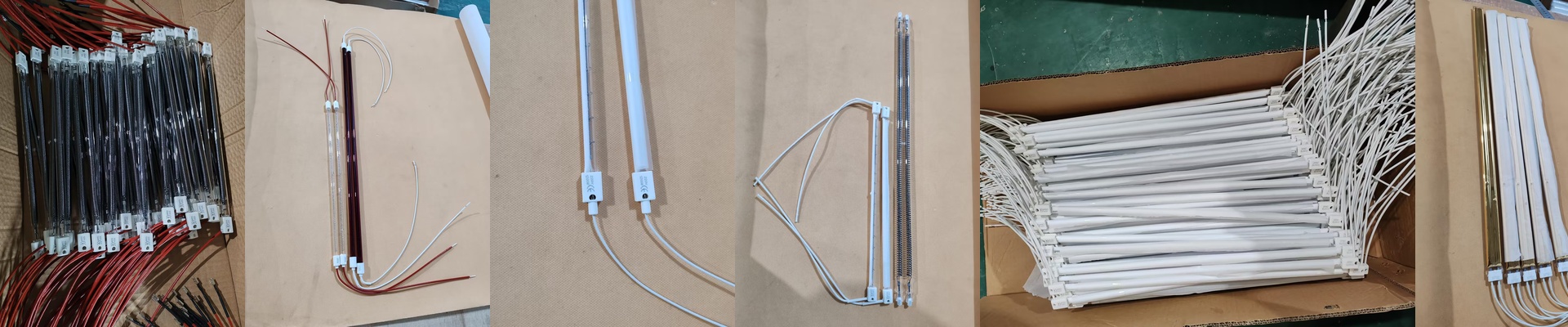
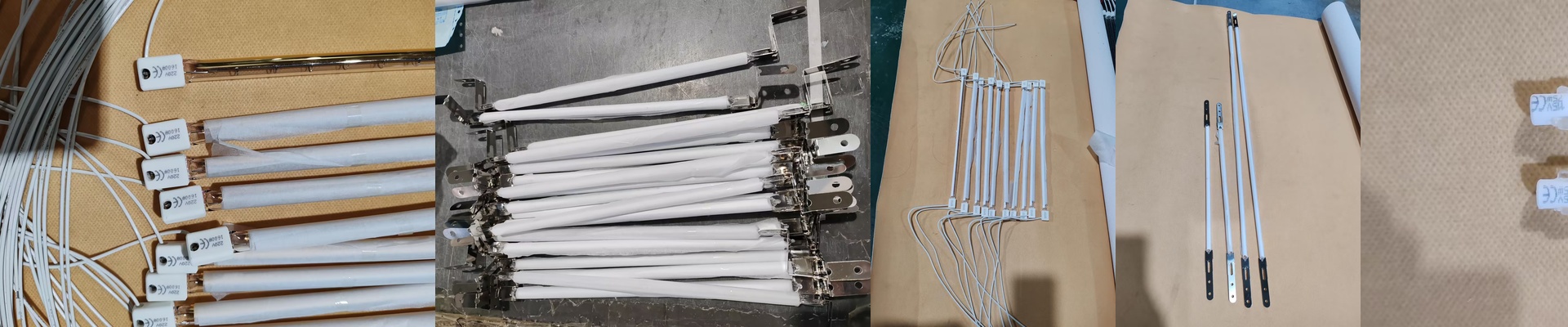
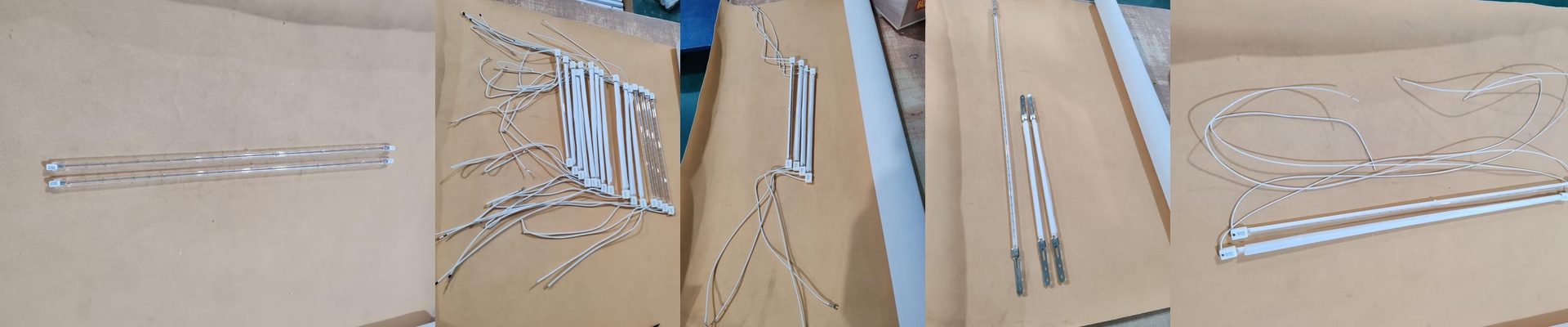
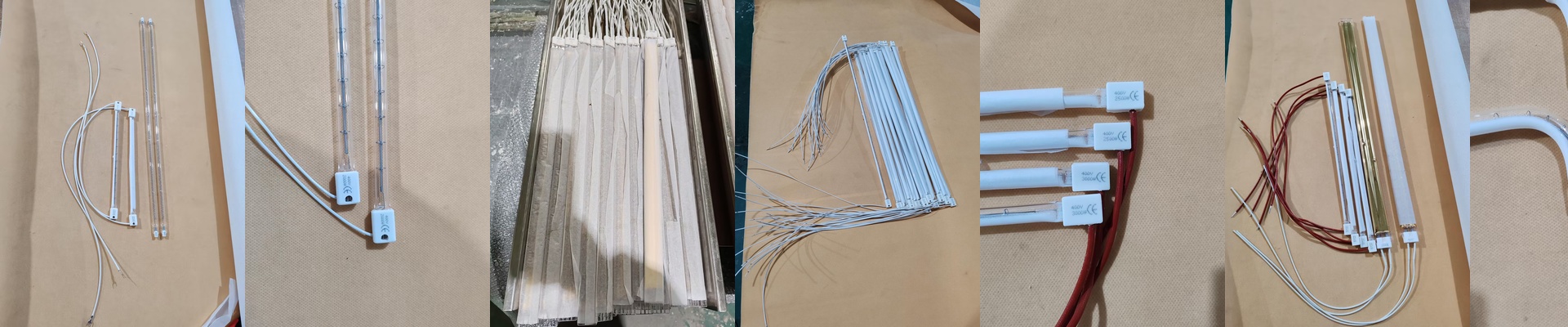
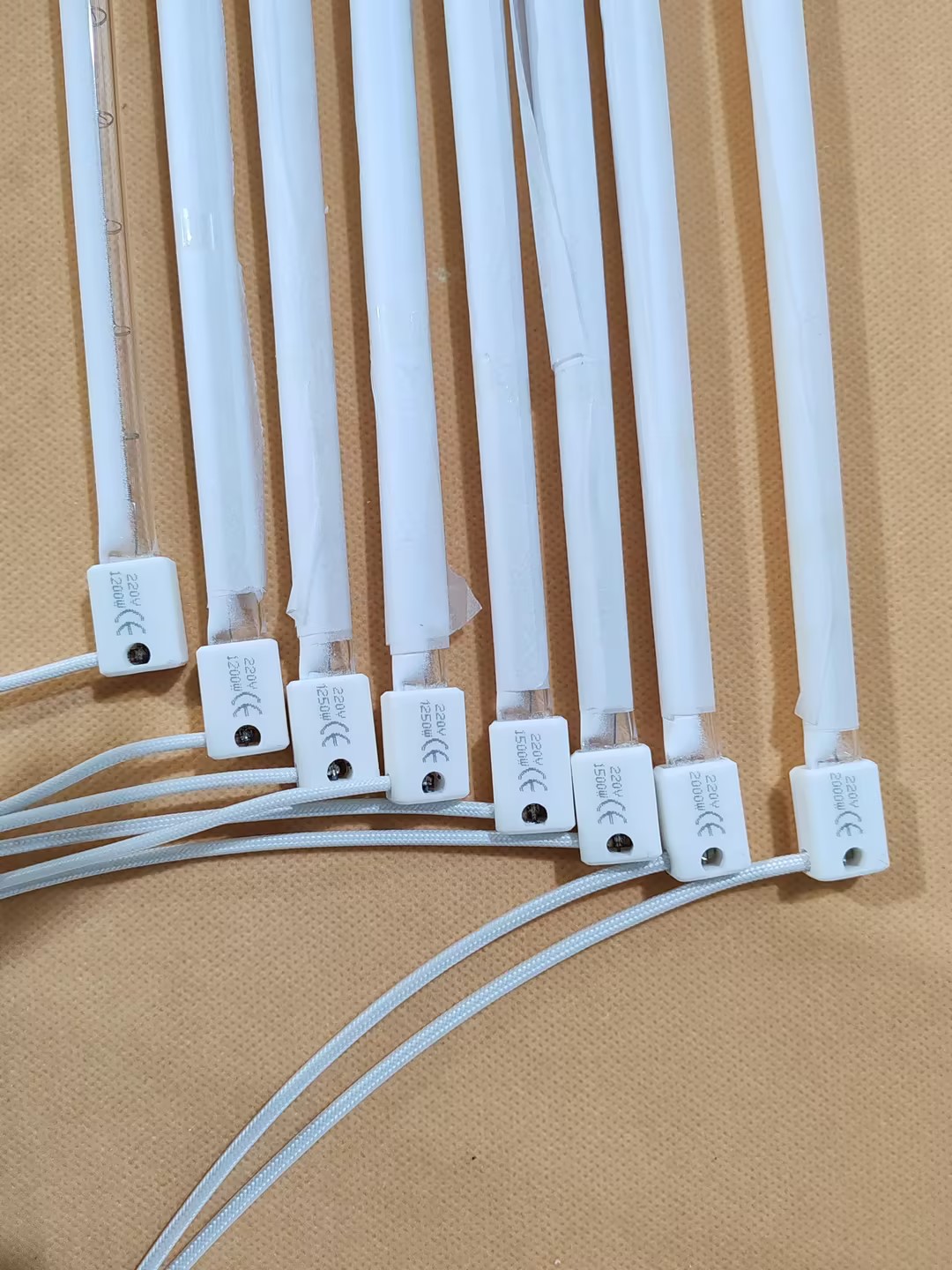
If you’re running PET bottle blowing machines, you know the struggle. You need the plastic preforms to hit that sweet spot—the glass transition temperature—fast. But if you just blast them with raw heat, you’ll scorch the outside before the inside even warms up. That’s why we built these tungsten halogen lamps. They use short-wave infrared, which basically means the heat punches right through the plastic. It gets the job done quickly and evenly, without ruining your material. Let’s talk power. Depending on how your machine is set up, we offer a few different wattages and voltages. If you’ve got a massive oven bank, high-voltage options are the way to go. They keep the current steady across long tubes so you don’t deal with those annoying voltage drops. But here is the thing:you have to get the wattage exactly right. Go too high, and you’ll fry the filament way too soon. Go too low, and your preforms won’t get hot enough. That’s how you end up with bottles that have weird, uneven walls. Nobody wants that. The “Secret Sauce” in the Glass We use high-purity quartz because these lamps go through a brutal cycle of heating up and cooling down. It’s a lot of stress on the glass. Inside, the halogen gas is doing the heavy lifting. It actually grabs the tungsten that evaporates off the filament and puts it right back where it belongs. This keeps the filament centered and makes the lamp last a lot longer. Plus, we make these with standard end-caps like R7s or SK15. You can just pop them into your existing sockets. No hacking, no modifying, no headache. A Quick Word of Caution These lamps put out a massive amount of heat in a tiny space. It’s great for your cycle times, but it’s tough on your gear. Make sure your cooling fans are actually doing their job. If the heat just sits there in the housing, your quartz seals can fail. It’s also a good habit to check your contact points for oxidation every 1,000 hours. A little bit of cleanup prevents those nasty arcs at the connectors.