Stop Guessing with Your Plastic Heating
When you’re picking out heating lamps for plastic processing, looking at wattage and voltage is a start. But honestly? That’s only half the story. I see engineers do this all the time—they buy based on the numbers on the spec sheet. Then they get the lamps on the floor and realize the actual performance is a different beast entirely. The real magic (or the real headache) happens in the temperature rise curve and how evenly that heat spreads across the tube.
Why the “Rise” Actually Matters
Two lamps can have the exact same wattage, but they won’t act the same. Think about how fast you hit your target temperature. That’s what dictates your cycle time. If the filament reacts erratically under load, you’re going to get hot spots. And in PET blowing, hot spots are a nightmare. You end up with burnt sections or walls that are way too thin. We spend a lot of time focusing on the ramp-up speed. The goal is to get the plastic to its glass transition temperature quickly, but without overshooting it. It’s a delicate balance.
The Struggle with Uniformity
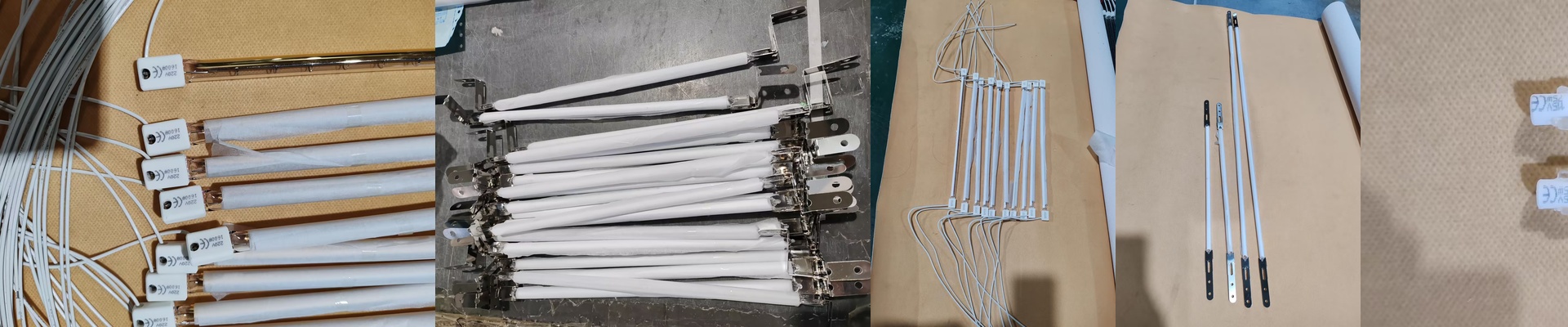
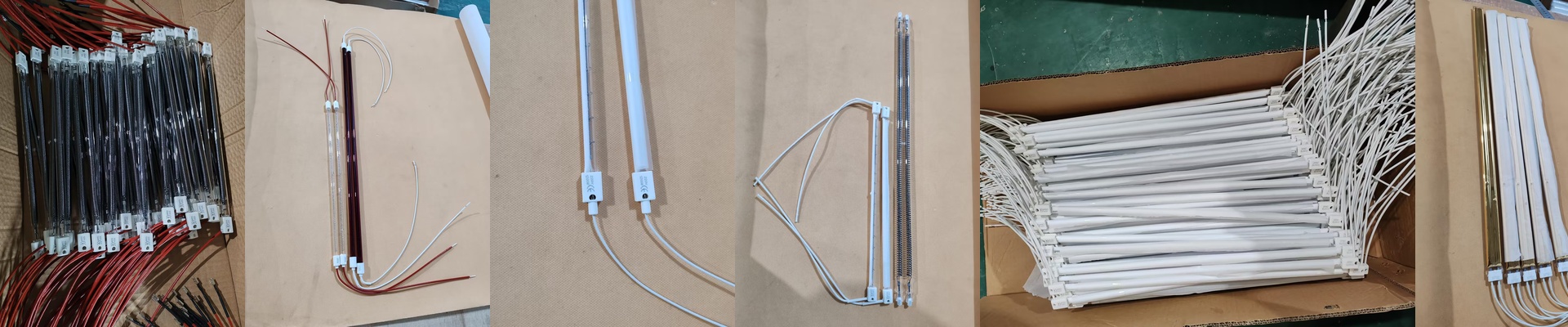
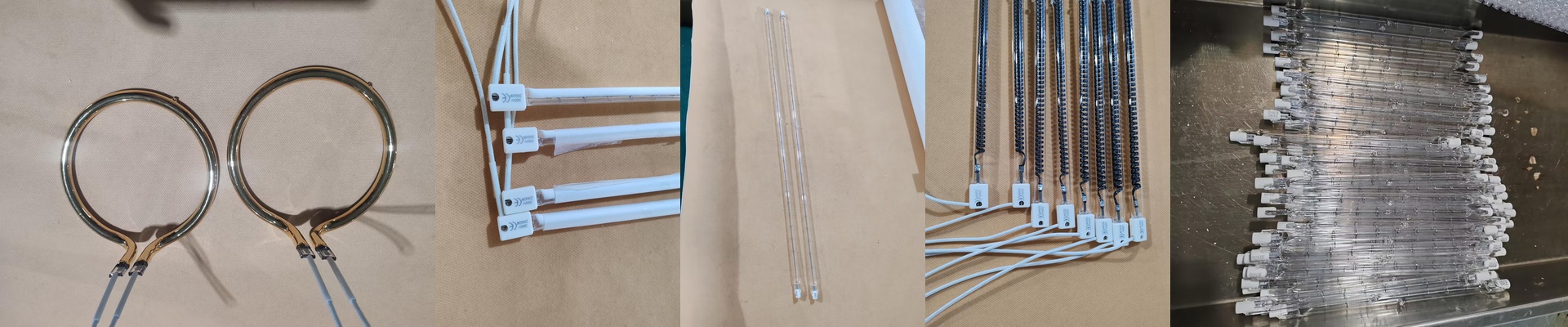
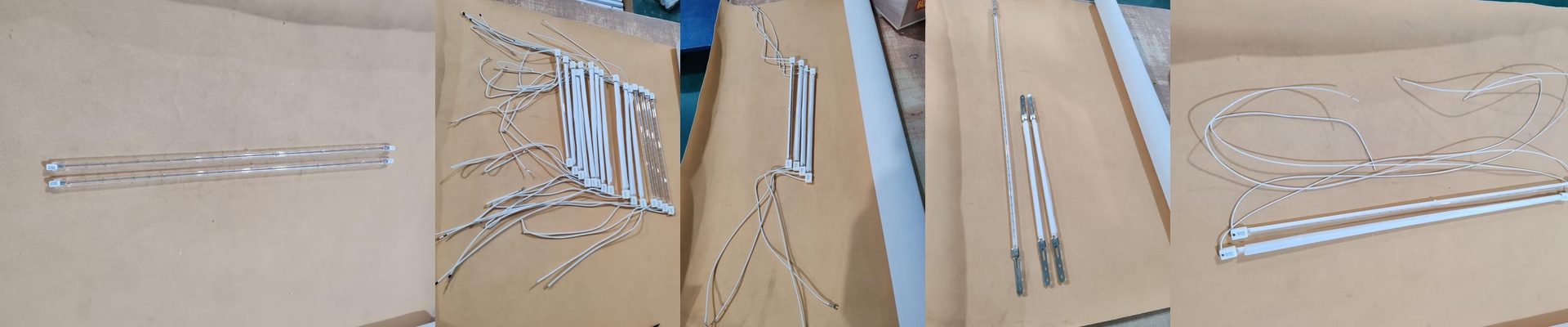
This is where the cheap tubes usually fall apart. If your heat density is slammed into the center but drops off at the ends, your preform is going to heat unevenly. It’s frustrating. To fix this, we play around with specific quartz compositions and the way the filament is wound. You want a consistent thermal footprint. Simple as that. The edges of your workpiece should feel the exact same energy as the middle. No surprises.
The Trade-offs (The Honest Part)
Here’s the thing: high-density heating is great for throughput. You get more done, faster. But there’s a catch. When you cram more power into a shorter tube, you’re putting a lot of thermal stress on the quartz glass. If you run those lamps at 100% without enough airflow, you’re basically asking the filament to burn out early. You have to balance that power density with how well your machine can cool things down. Otherwise, you’re just shortening the life of your equipment. If you’re not sure where you stand, just run a side-by-side test. Put our temperature curves next to what you’re using right now. The data usually tells the story—it’ll show you exactly where you’re wasting energy or risking scrap material.