Stop Overpaying for Your IR Lamps
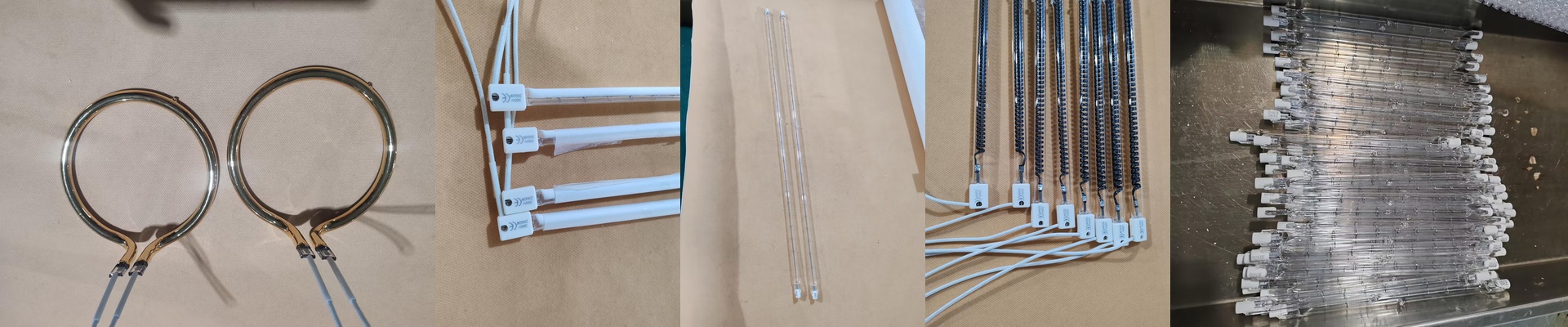
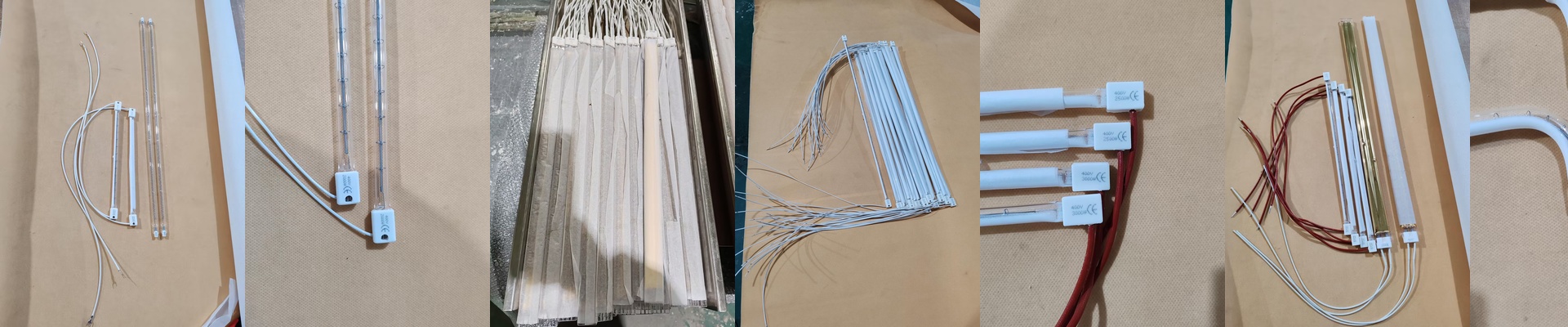
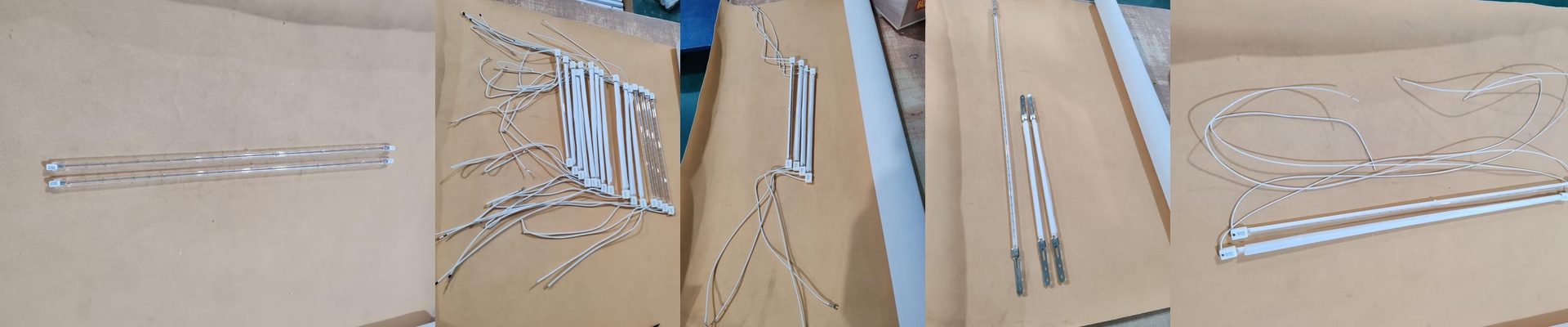
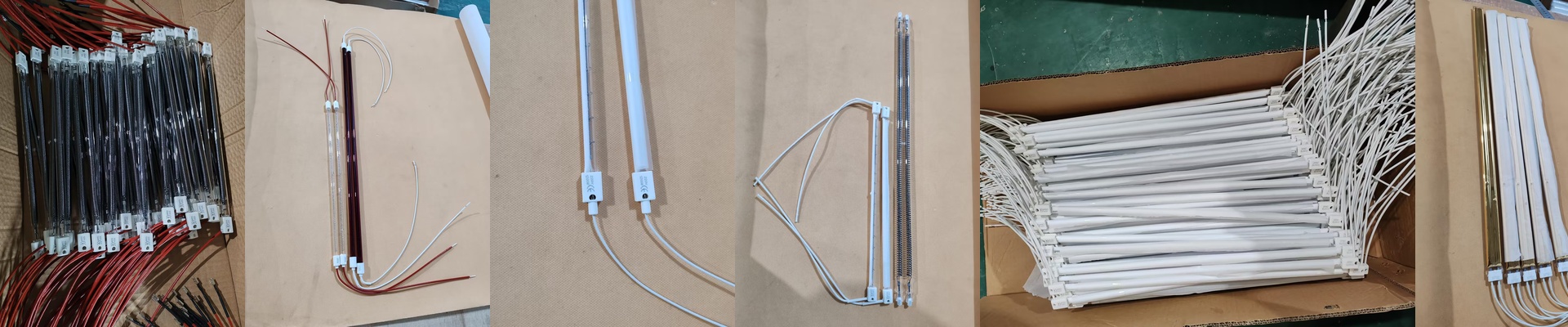
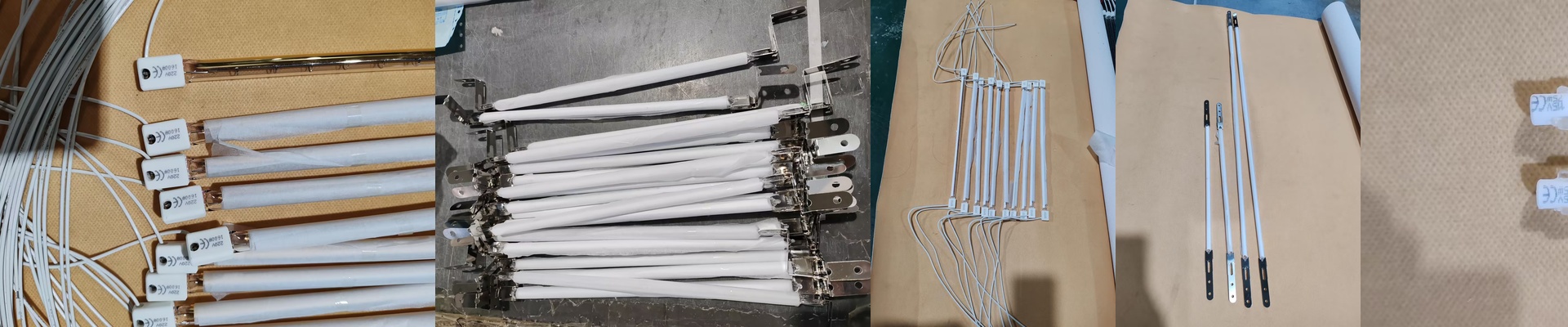
Most big plastic plants just accept that imported infrared lamps are expensive. They treat them like lightbulbs—something you just buy, burn out, and replace at a premium price. But we recently looked at a facility that stopped that cycle and saved millions in maintenance. The secret wasn’t about hunting for the cheapest part on the market. It was just about actually matching the technical specs to what the production line needed. Getting the heat right In PET blowing and plastic forming, heat density is everything. If you don’t get it right, your cycle times suffer. When you’re picking a lamp, you’ve got to make sure the voltage and wattage play nice with your power grid. If they don’t, your lamps will burn out way too fast. High-wattage tubes are great because they heat up thick-walled plastics quickly. It’s a fast ramp-up. But here’s the catch: if you cram too much wattage into a small space, your wiring takes a hit. You need to make sure your cables and contactors can handle that peak current, or you’re going to start melting insulation. And nobody wants that. The gear and the fit We use high-purity quartz glass. Why? Because it doesn’t crack when things get hot and cold quickly. We also tune the coating on the tubes to match the specific plastic you’re using. This means the heat actually goes into the plastic instead of bouncing off and heating up the machine frame. It’s much more efficient. As for the install, we stick to standard R7s or Sk15 connectors. This makes them a “drop-in” replacement. You don’t have to spend a whole weekend rewiring the oven. You just swap the tube and get back to work. The real-world trade-off Moving to high-spec domestic lamps cuts your costs per unit way down. But you do have to stay on top of one thing: the reflectors. Since you’re saving money on the lamps, you can afford to spend a little more time keeping the reflectors clean. Dust is a silent killer here. If those reflectors get dirty, your efficiency tanks long before the lamp actually wears out. Keep them sparkling, and your cost-per-part stays low. Simple as that.