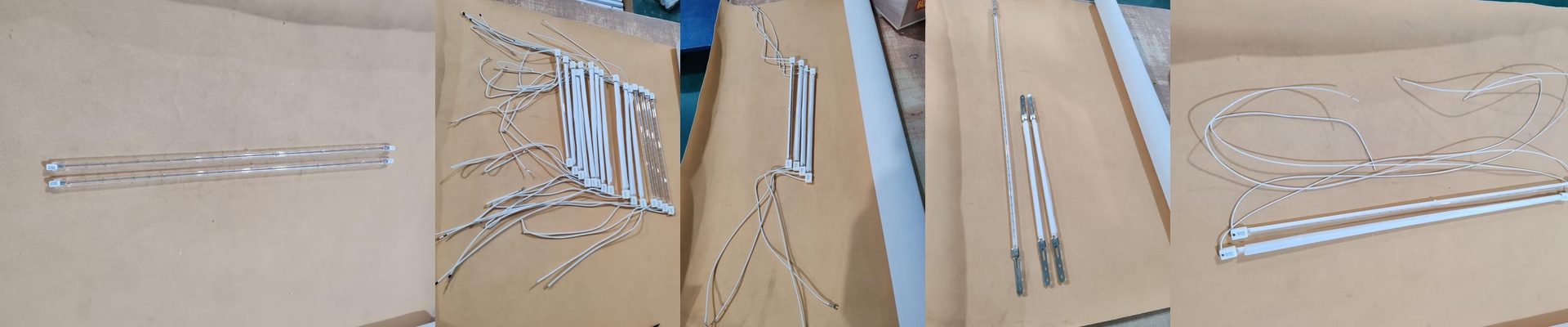
Stop Letting Your Heating Zone Eat Your Profits
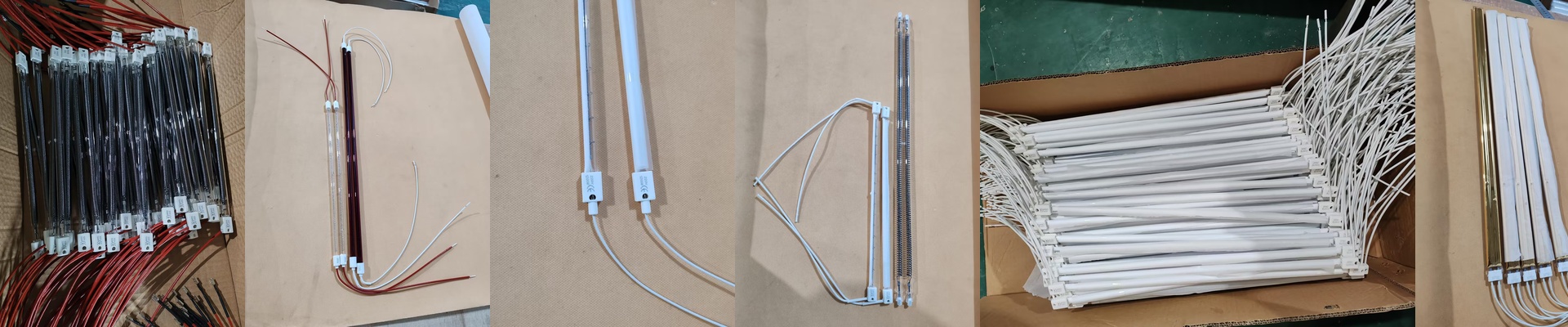
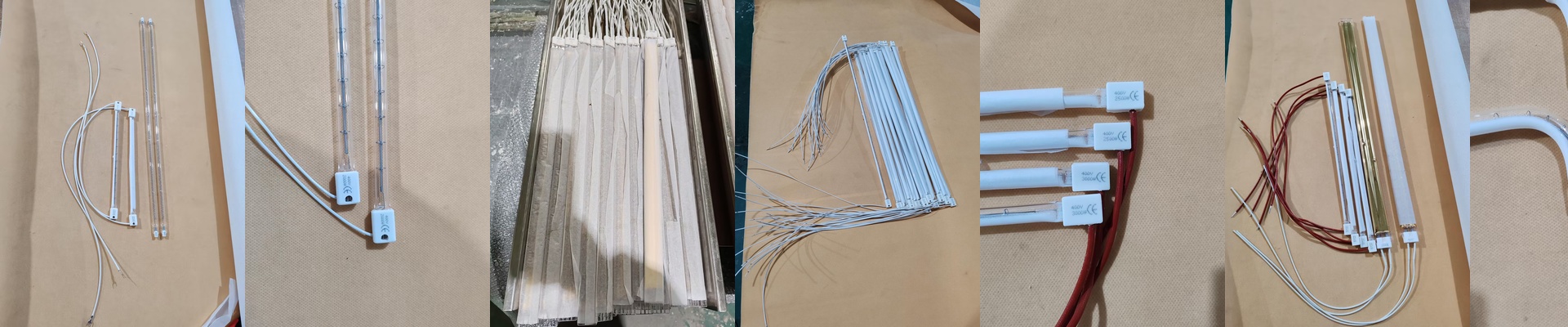
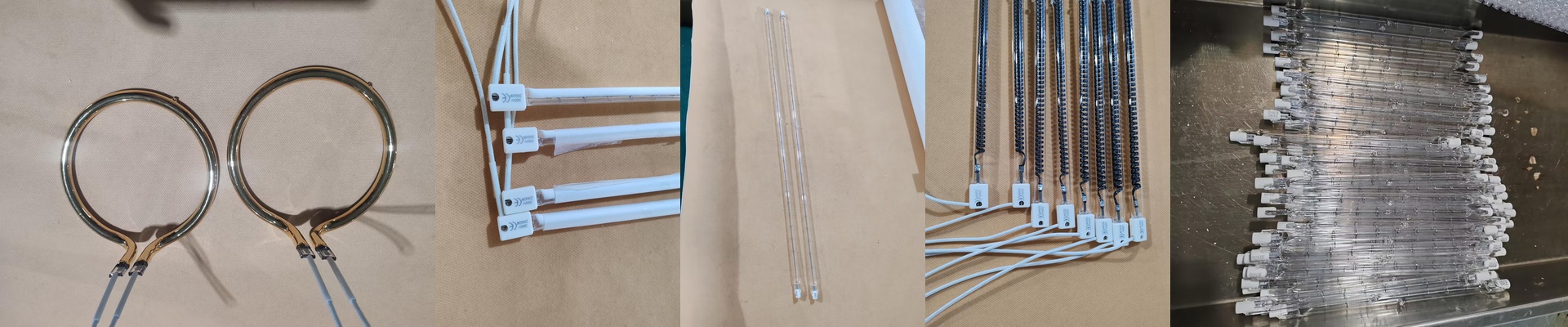
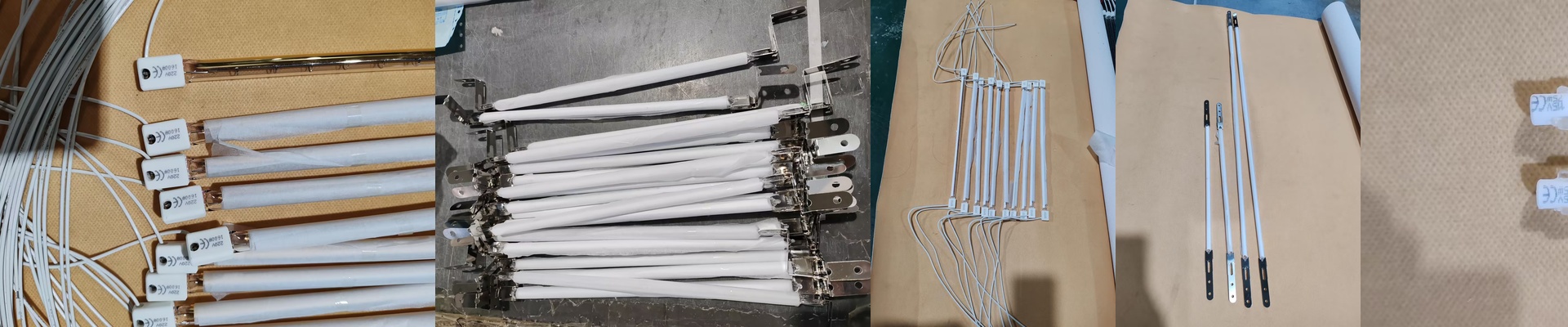
Energy bills are a nightmare for anyone running plastic processing. If you’re managing PET blowing or thermoforming lines, you already know the drill: the heating zone is where you either save your skin or bleed money. Most people think switching to high-spec IR lamps is just some “equipment upgrade.” It’s not. It’s actually about one simple thing: how many cents of electricity you’re spending on every single part that leaves the machine. The secret is in the heat density. Here’s the thing: most shops use generic lamps. They’re fine, but they waste a ton of energy just heating up the air around the part. It’s inefficient. High-quality shortwave IR lamps are different. They punch the energy directly into the polymer chain. We tweak the wattage and voltage ratios so the heat hits the plastic instantly. That’s where the magic happens. If you can shave just two seconds off your heating cycle, your daily output jumps. You’re making more money without having to buy another machine or hire more staff. Why some lamps just last longer Ever notice how some filaments just sag and give up? That’s the problem with standard tubes. We use quartz glass and halogen gas fills. It sounds technical, but all it means is that the filament can run hotter without burning out the tube. You get a steady, consistent heat profile from one end of the lamp to the other. No cold spots. No weird warping. And way fewer rejected parts heading for the scrap bin. But there’s a catch: Cooling Now, a word of warning. These high-density lamps pack a massive punch in a tiny space. It’s great for speed, but it puts a lot of stress on your oven’s ventilation. If you drop in a 2500W tube but keep those old, tired cooling fans, you’re going to cook your reflectors and kill your lamps way too early. You’ve got to make sure your airflow can keep up with the heat. The reality of the shop floor Cheap lamps are a liability. They flicker, the temperature drifts, and they always seem to blow out right when you’re in the middle of a peak production run. It’s frustrating. Investing in precision lamps just makes life easier. Your energy bill drops, your scrap rate stays low, and you aren’t sweating it every time energy prices spike. It’s just a smarter way to run the floor.