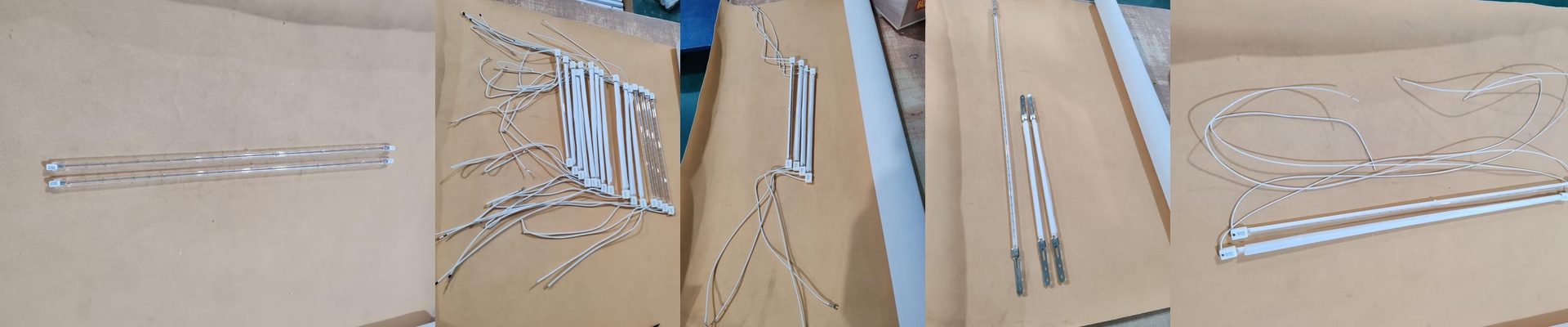
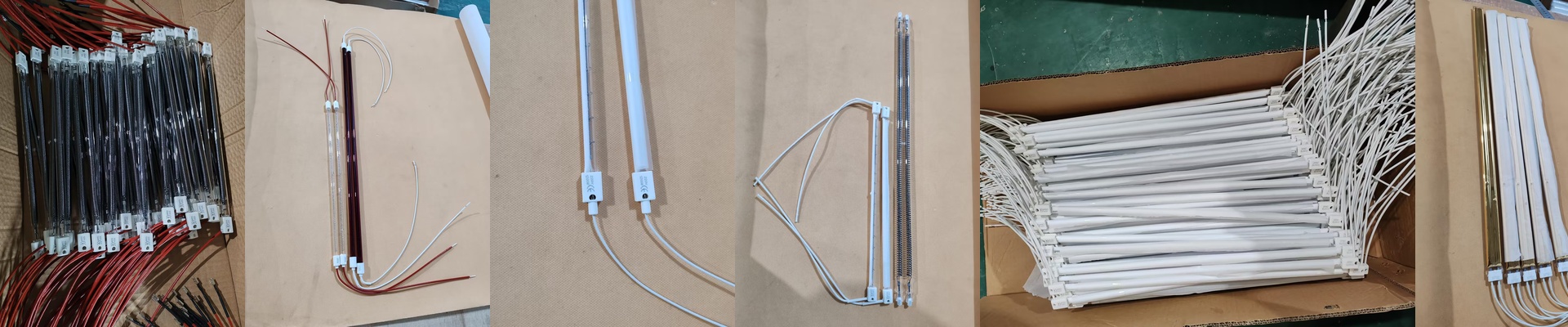
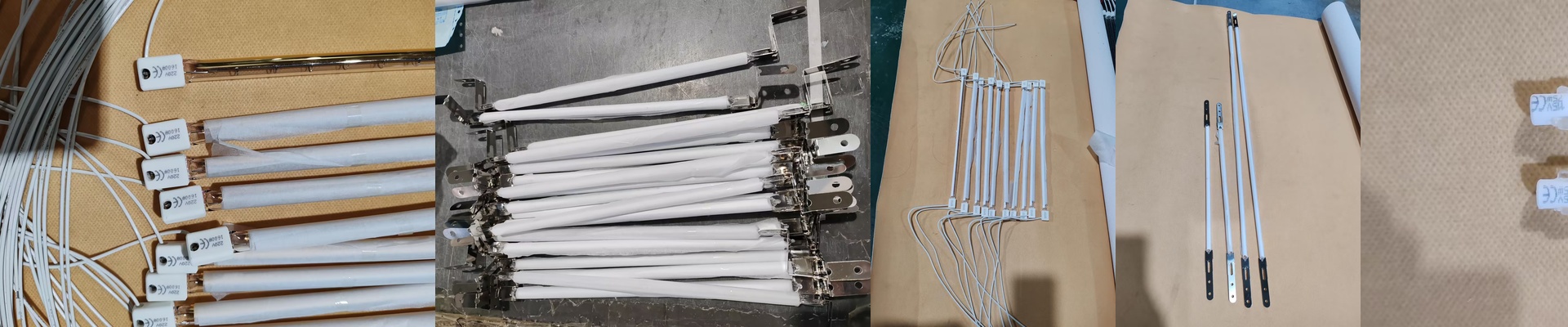
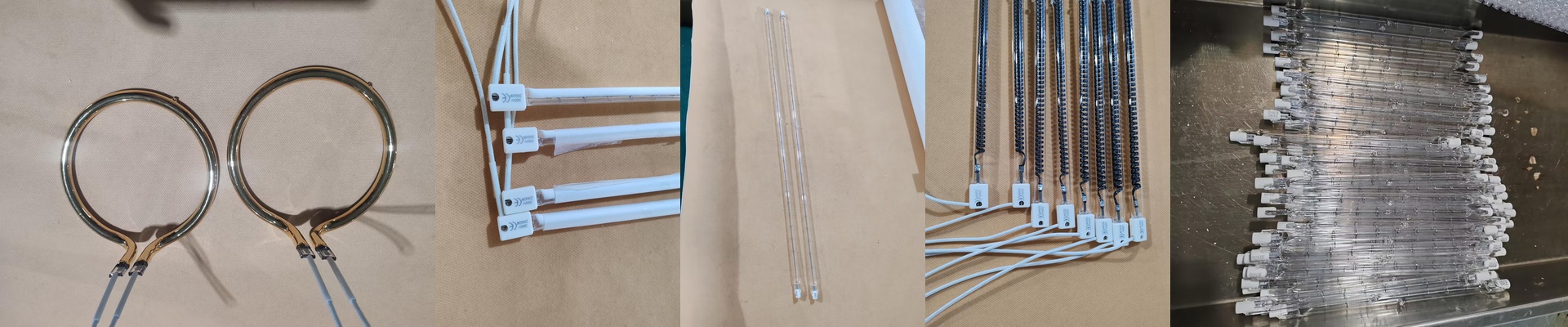
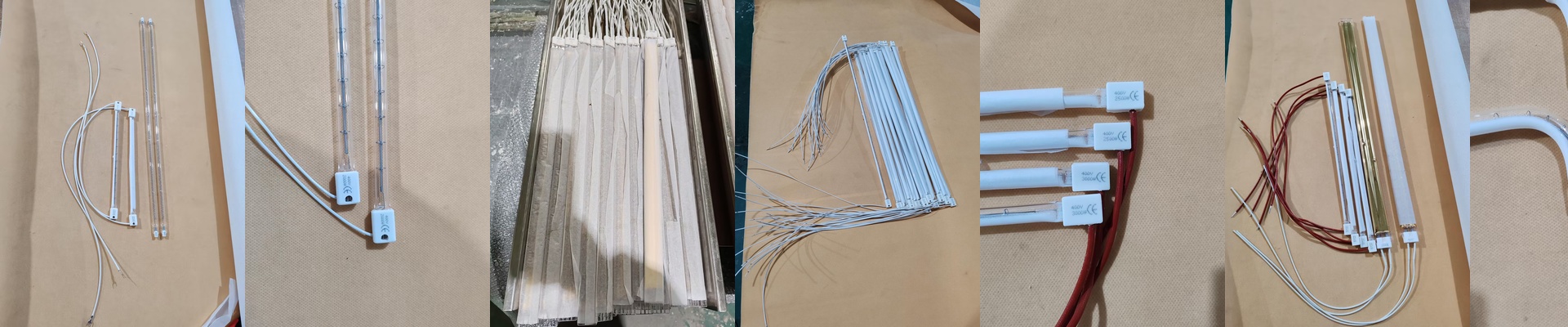
Can swapping your IR elements actually shave 20% off your power bill?
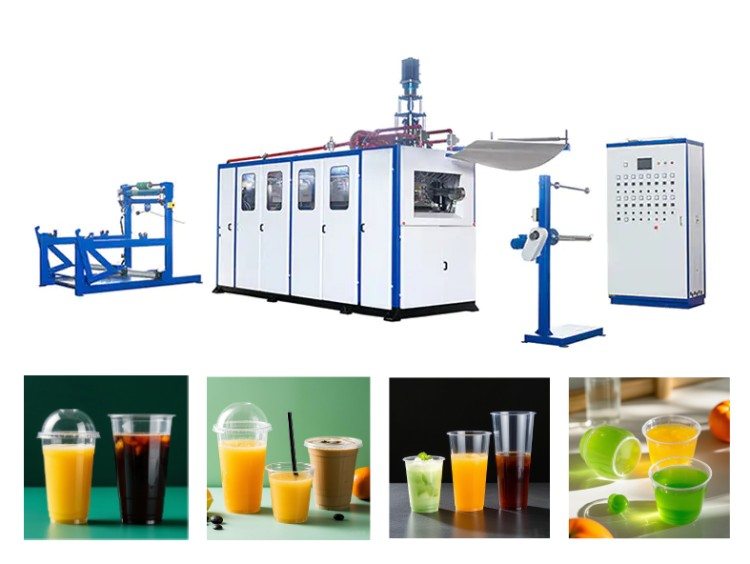
Let’s be honest: most plastic plants are running heating tunnels that are ancient. They’re basically giant energy leaks, wasting heat into the air and the walls instead of actually hitting the product. You’ve probably wondered if you can just swap out those old lamps for modern infrared (IR) elements and actually see a 20% drop in your electric bill—without having to tear out the whole oven and start from scratch. The short answer? Yes. But there’s a trick to it. The “Why” behind the savings Old-school resistive heaters are slow. They heat the air, and then the air (hopefully) heats the plastic. It’s inefficient. Modern short-wave or medium-wave IR elements work differently. They shoot energy straight into the polymer chain. When you switch to high-density quartz or halogen, you aren’t waiting around for the tunnel to “warm up.” You’re putting the heat exactly where it needs to go. And here is the real secret: spectral matching. If the wavelength of the light matches the specific plastic you’re using—like PET or PVC—the material just sucks up the heat faster. This means you can actually turn down the oven’s set-point temperature but keep your production speed exactly where it is. Making it fit The good news is that most of these are “drop-in” replacements. We usually match the footprint, wattage, and voltage so you don’t have to spend a weekend rewiring your control panels. But a word of caution: if you decide to jump to a higher-wattage element to shorten your tunnel,watch your wiring. Check your contactors and gauges. If you overload a legacy circuit, you’re going to end up with a burnout, and that’s a headache nobody wants. The trade-off Nothing is perfect. Higher efficiency usually means more concentrated heat. While your power bill goes down, you might run into “hot spots” on the plastic if your conveyor is moving too slowly. It can feel a bit like moving from a campfire to a laser. You’ll likely need to tweak your line speed or throw in some reflectors to make sure the heat is hitting the product, not the chassis. If you’re staring at an energy audit or trying to hit some “green” goals, this is probably the fastest way to lower your kWh per unit without spending a fortune on brand-new machinery.