Let’s Talk Shortwave Halogen Heaters
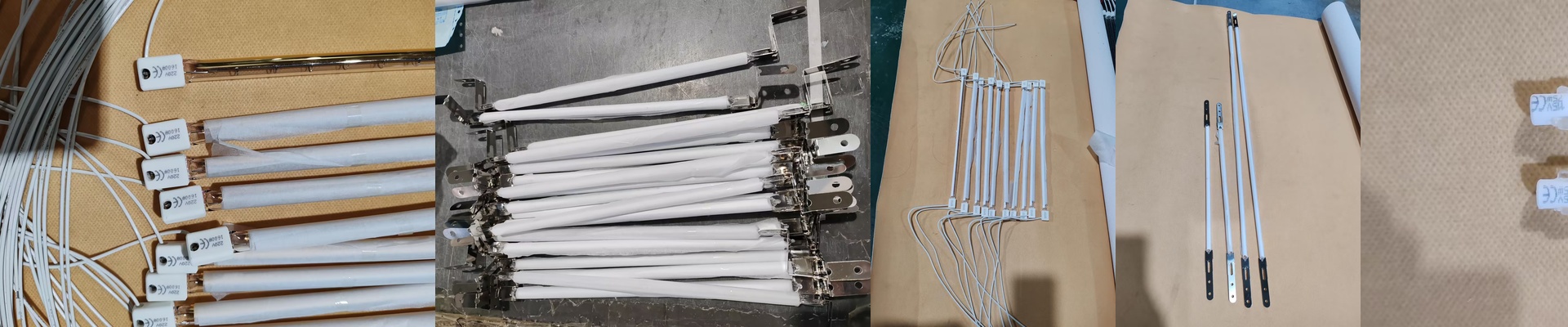
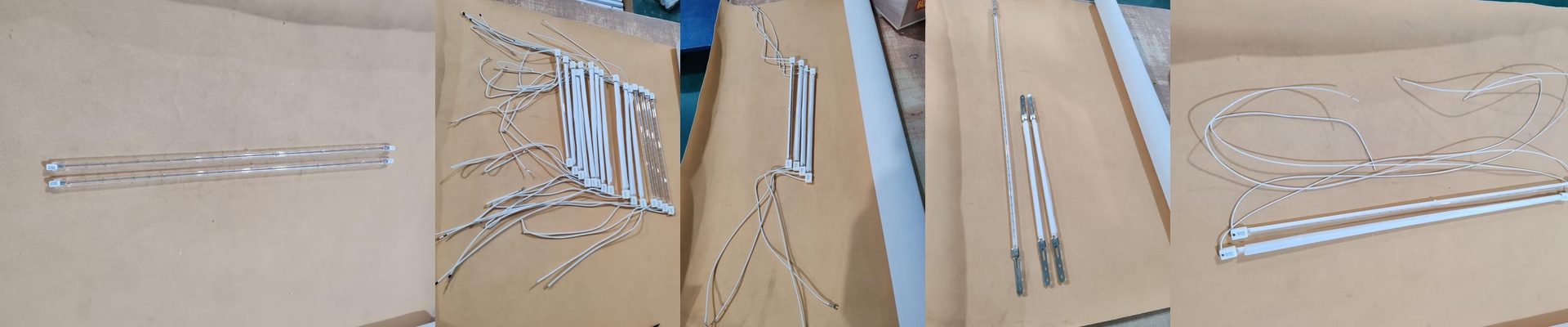
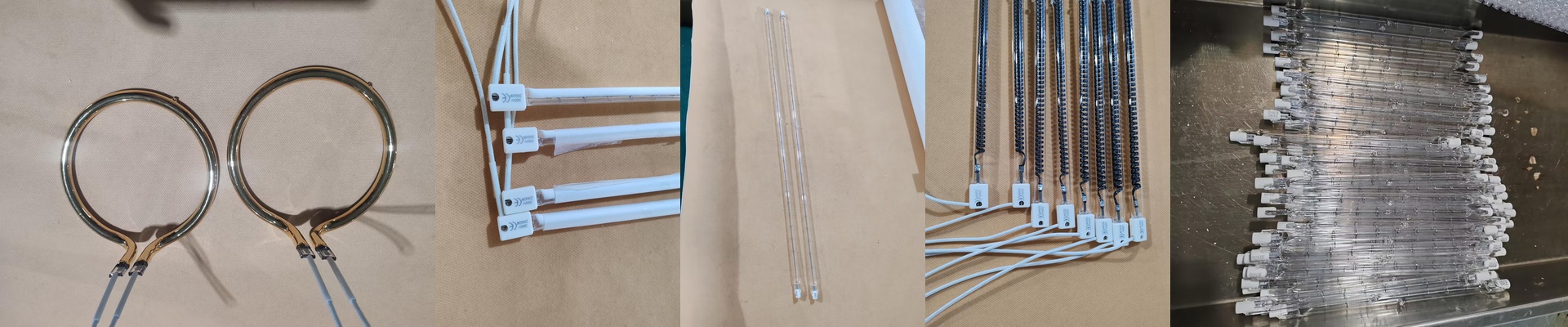
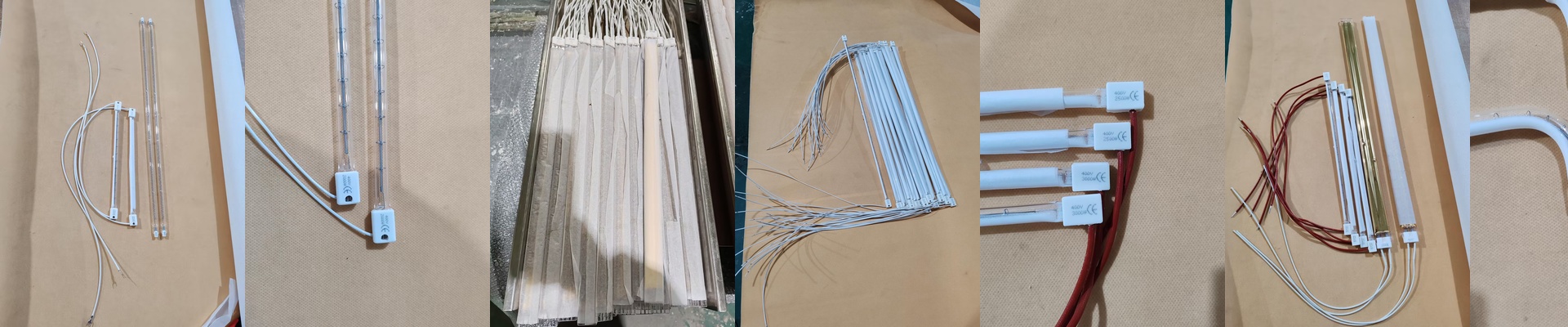
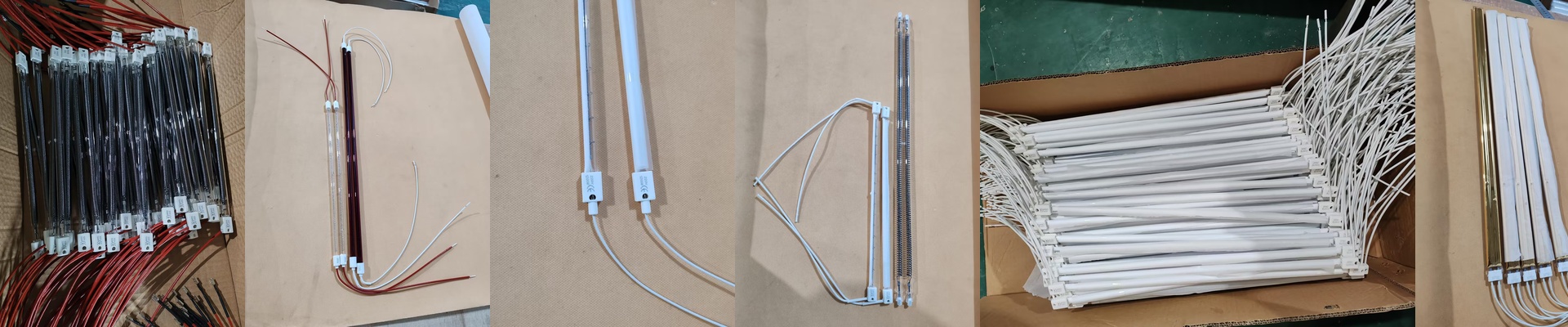
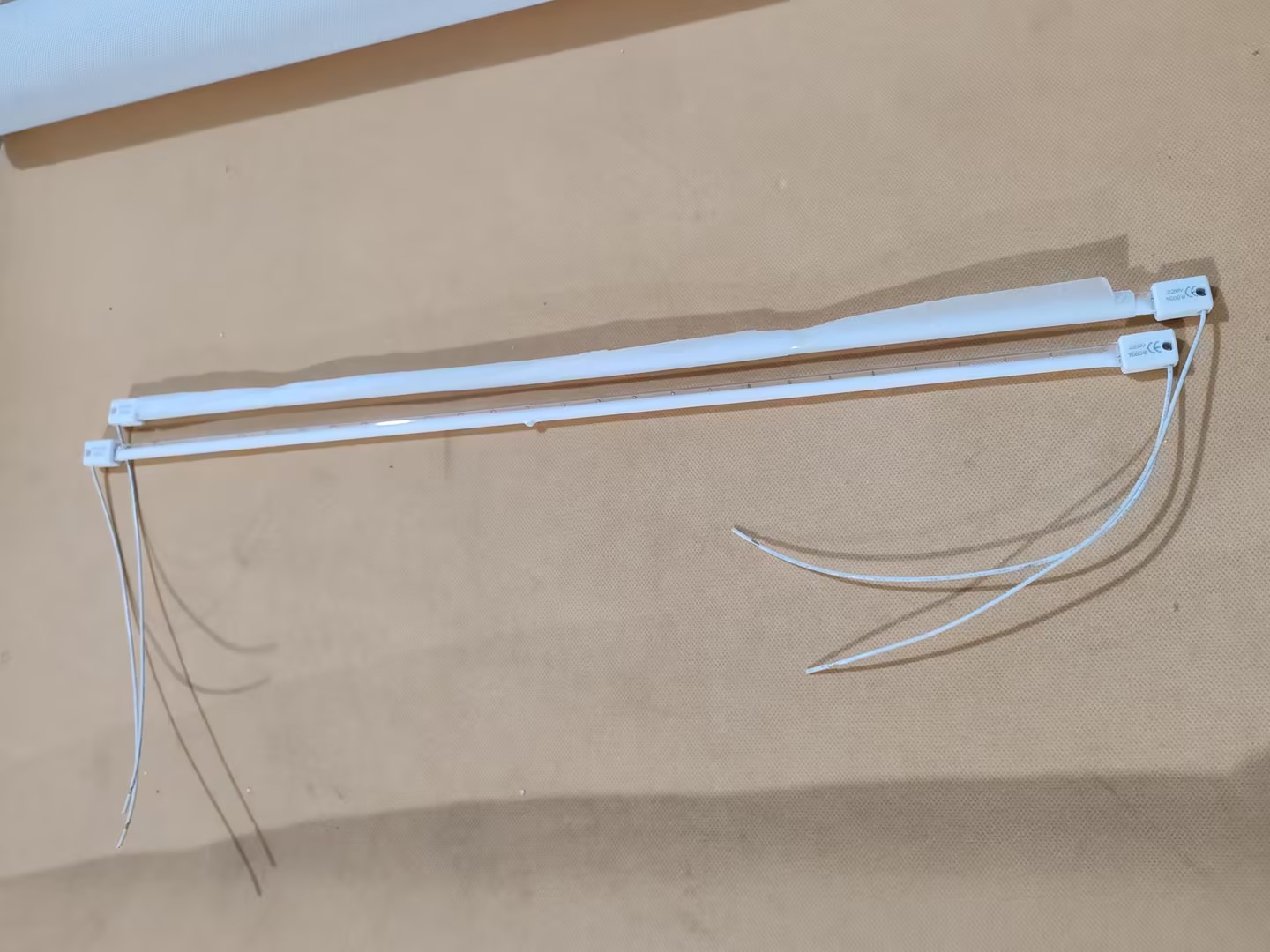
We build infrared halogen lamps for when you need a massive punch of heat, and you need it right now. Inside each lamp, there’s a tungsten filament tucked into a high-purity quartz tube and filled with a specific halogen gas mix. Why the gas? It stops the filament from evaporating too quickly. That means we can crank up the temperature and push way more power through the tube than you’d get with a standard quartz heater. Getting the power right Depending on how much room you have in your machine, we tweak the length and voltage. If we go with a high-voltage setup—like 400V—we can jam more wattage into a shorter tube. It’s a great way to get the heat density up without overloading your circuit. The result? Your ramp-up time drops significantly. But here’s the catch: these high-wattage tubes are demanding. They put a lot of stress on your power supplies, so you’ll need precise voltage regulation. If you don’t, you’re looking at premature burnouts. The build and the bits We stick with quartz glass because it lets shortwave radiation pass right through without soaking it up. For some jobs, we add a reflective coating to the back of the tube. This basically bounces the heat forward, effectively doubling the output hitting your workpiece. It’s a simple trick that makes a huge difference. When it comes to wiring, we usually go with R7s or Sk15 connectors. They’re easy drop-in replacements for most industrial ovens. More importantly, they create a rock-solid electrical connection. You really don’t want loose connections here—at these current levels, a loose wire will melt your sockets in no time. Where this actually matters You’ll mostly see these in PET blowing machines or paint curing lines. Shortwave IR is great because it dives deep into plastics and coatings almost instantly. One quick tip: keep an eye on your cooling fans. If you’re running tubes over 2000W in a tight space, things get hot—fast. If your airflow isn’t dialed in, that ambient heat will eat your lamp’s lifespan alive.