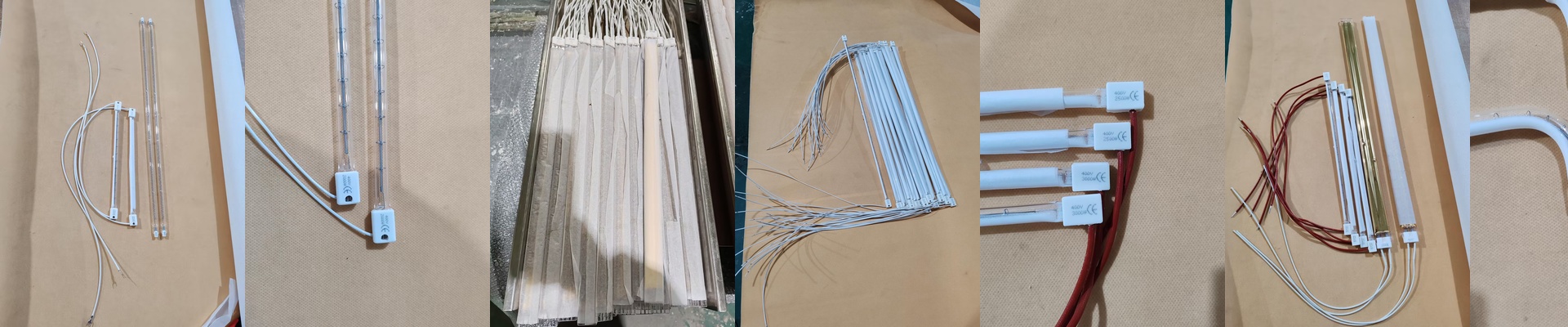

Stop Overpaying for Brand-Name Quartz Heating Tubes
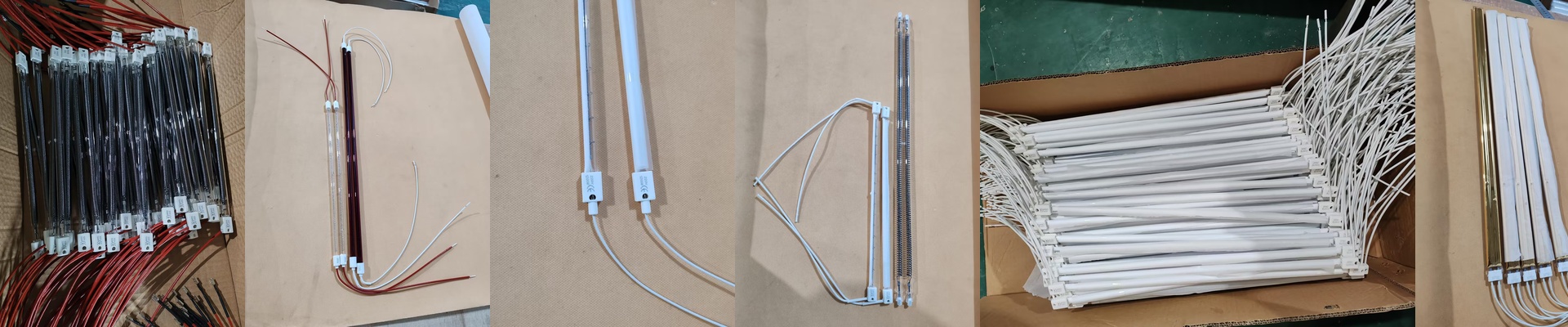
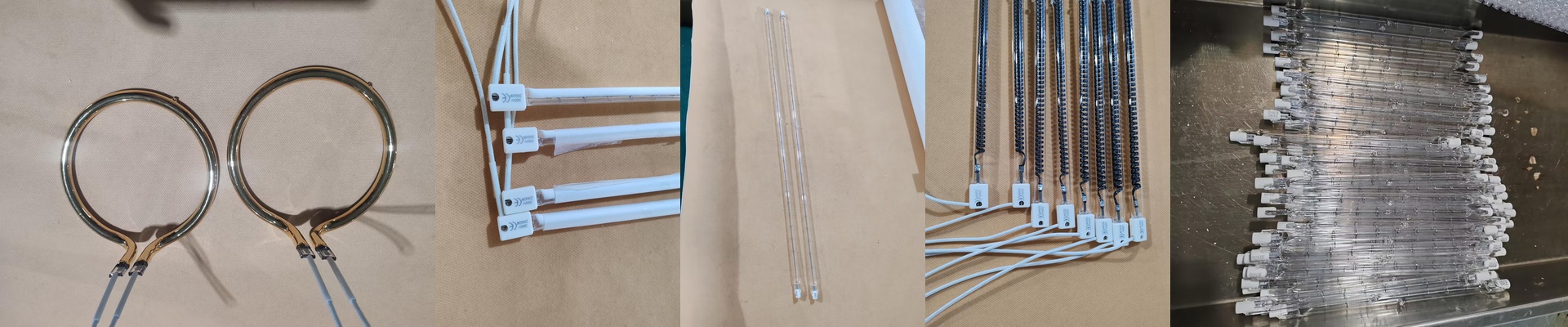
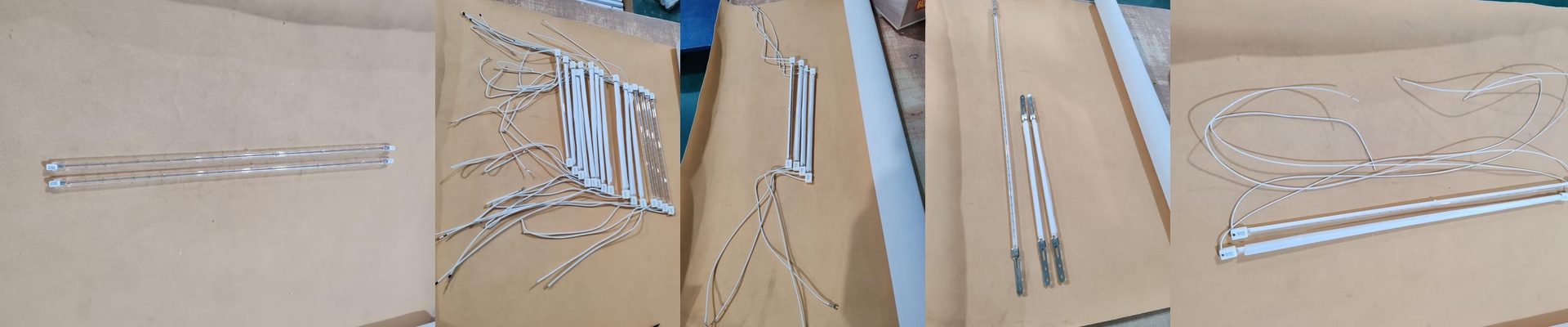
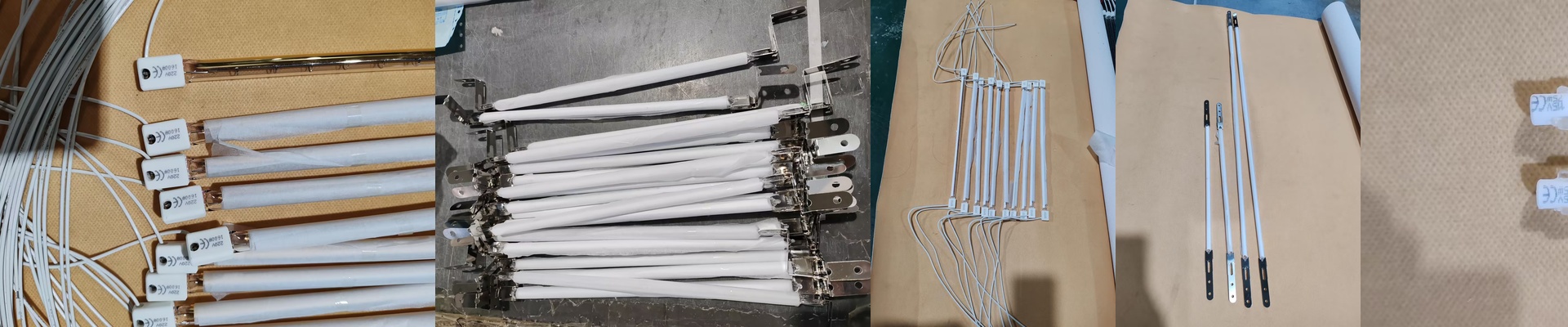
Let’s be honest. Most engineers go with the big European names—like Goldisgood—because they’re scared of downtime. They need to know the heat flux is there and the tube isn’t going to pop after a week. I get it. But here’s the thing: we build our quartz lamps to hit those same benchmarks. When you actually put them side-by-side in a real-world test, the thermal output and wattage stability are basically the same. You just aren’t paying for the fancy logo.
The Nitty-Gritty on Heat
It all comes down to the physics of the filament. We spend a lot of time tweaking the tungsten coil diameter and the winding pitch. Why? So we can hit your exact wattage, whether you’re running a standard 230V setup or a high-voltage 400V config. If you’re doing PET bottle blowing or plastic welding, you need an instant thermal punch. Higher voltage lets us pack more power density into a smaller space. It’s fast. Really fast. And that’s what makes the process actually work.
Materials That Actually Last
Nobody likes a cloudy tube. We use high-purity fused quartz to keep things clear. For the heavy-duty stuff, we add halogen gas. It basically pushes evaporated tungsten back into the filament, which keeps the tube from burning out way too early. As for the connectors, we do R7s or Sk15. They just slide right in. But it’s not just about the fit. A loose socket creates a hot spot, and that’s how you end up with melted wiring. We keep our end-cap tolerances tight so you don’t have to worry about your wiring turning into a puddle.
Real Talk: Using Them in the Field
You can swap these into your machine and they’ll behave exactly like the premium brands. You get the same shortwave or medium-wave IR patterns needed to get heat deep into your materials. Just a heads-up, though. If you push a tube to its absolute max wattage, you’re putting a lot of stress on the quartz. If your airflow is choked, heat builds up at the seals and the lamp dies sooner. Check your cooling fans. Make sure they can actually handle the heat load you’re throwing at them.