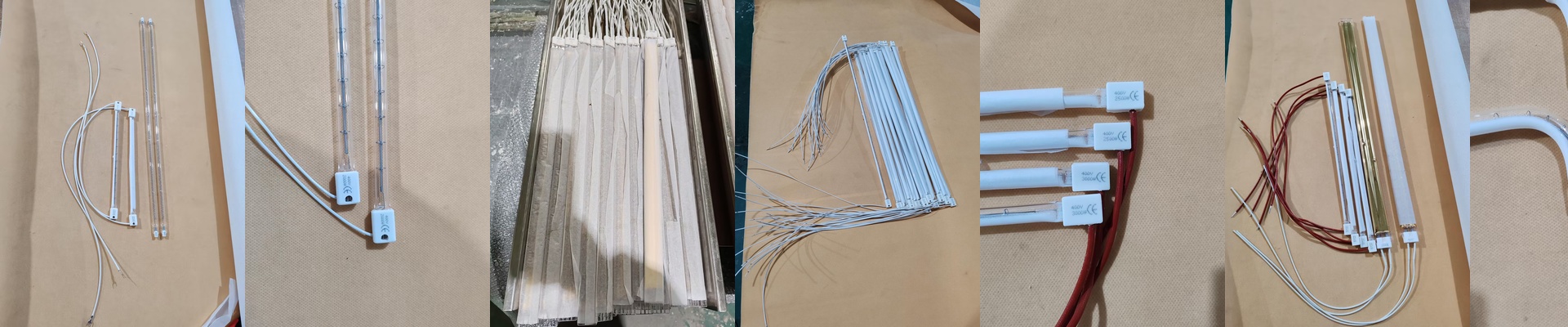
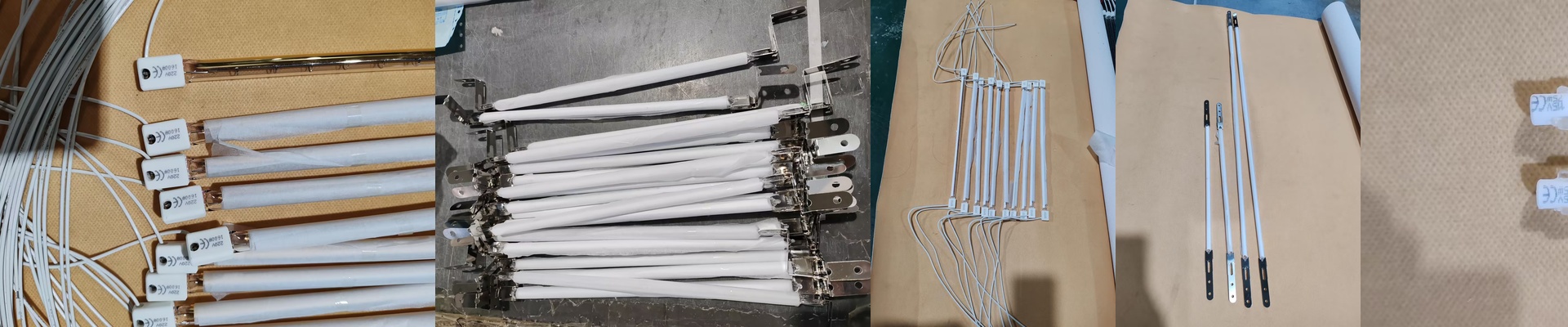
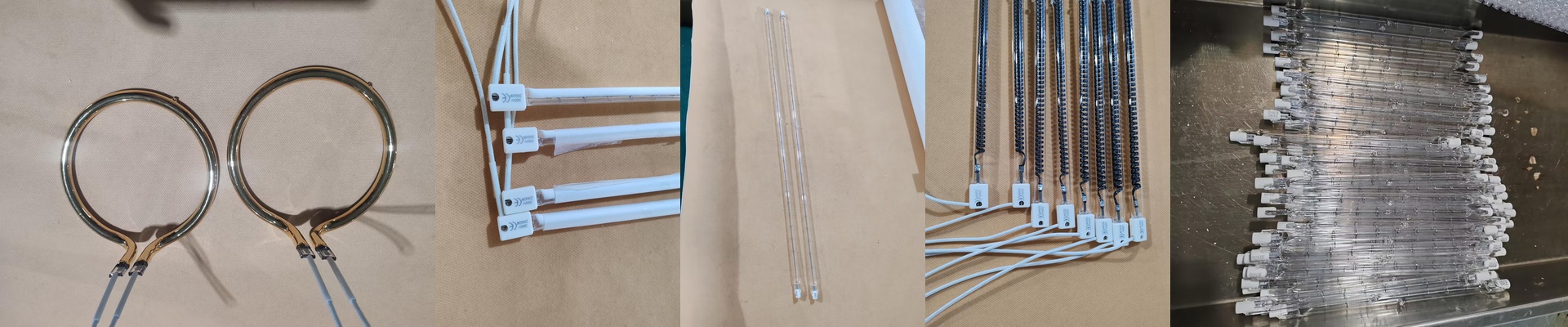
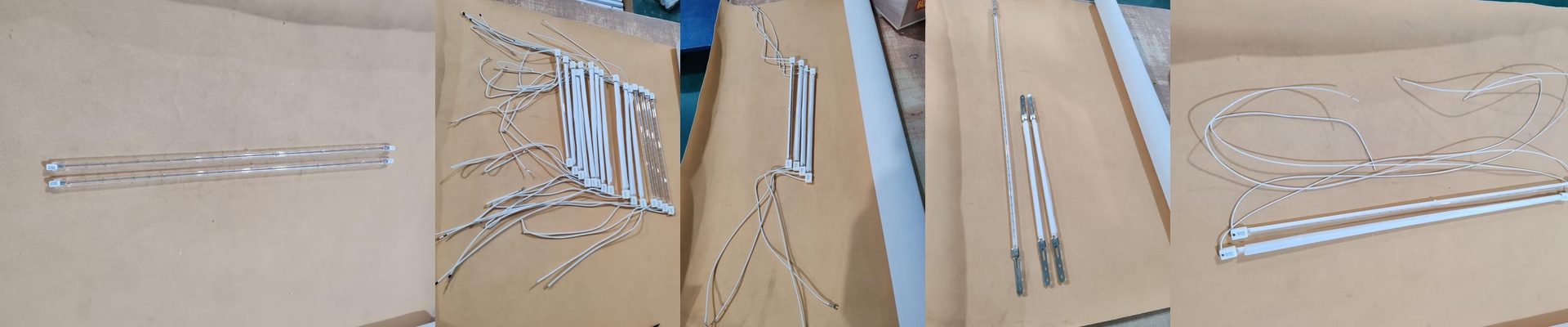
Stop Paying the “Brand Tax” on Your Quartz Heaters
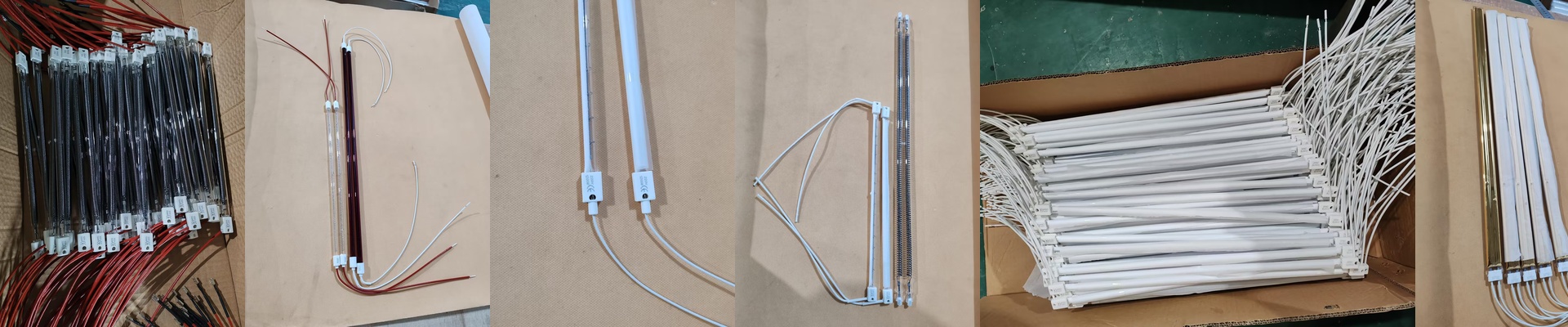
I get it. When you’re designing a system, you go for the big European names like Goldisgood. Why? Because you need to know the heat density is there and the thing isn’t going to die in two weeks. It’s the safe bet. But here’s the thing: the performance isn’t actually different. When we put our tubes side-by-side with the premium brands, the thermal output and the spectral distribution are basically identical. You’re paying for the logo, not the heat.
What’s actually happening inside the tube
We use high-purity fused quartz. That’s just a fancy way of saying the tube won’t warp or bend when it gets screaming hot and then cools down again. For the high-wattage stuff, we add halogen gas. It’s a simple trick that lets the tungsten filament hit higher temperatures without burning out. It just lasts longer. If you’re running a 400V system, you’ll notice the current draw is lower for the same amount of heat compared to 220V. That means less stress on your wiring. Plus, we keep them in standard R7s or SK15 bases. You just pop them in. No rewiring, no headaches.
A word of caution on heat density
High-wattage tubes put out a massive amount of heat. If you’re doing PET blowing or running curing lines, that’s exactly what you want—it keeps your cycle times fast. But there’s a catch. The more energy you pump out, the harder your cooling system has to work. If your airflow is a bit weak, you might end up overheating your lamp holders. Just keep an eye on that.
No guessing games
We don’t just “hope” the specs are right. We calibrate the filament length and diameter to hit the exact ohms your voltage needs. That means no flickering and no popping when you flip the switch. You get the same IR wavelength and deep heat penetration as those expensive brands. You plug them in, tweak your PID controller, and everything just stays stable. It’s the same result. Just a much better price.