Cut out the middleman on your quartz heaters
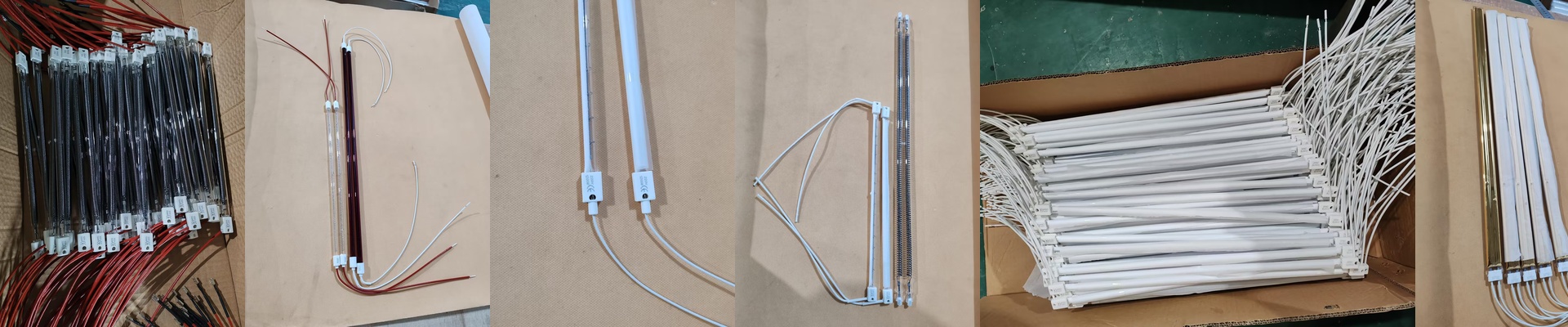
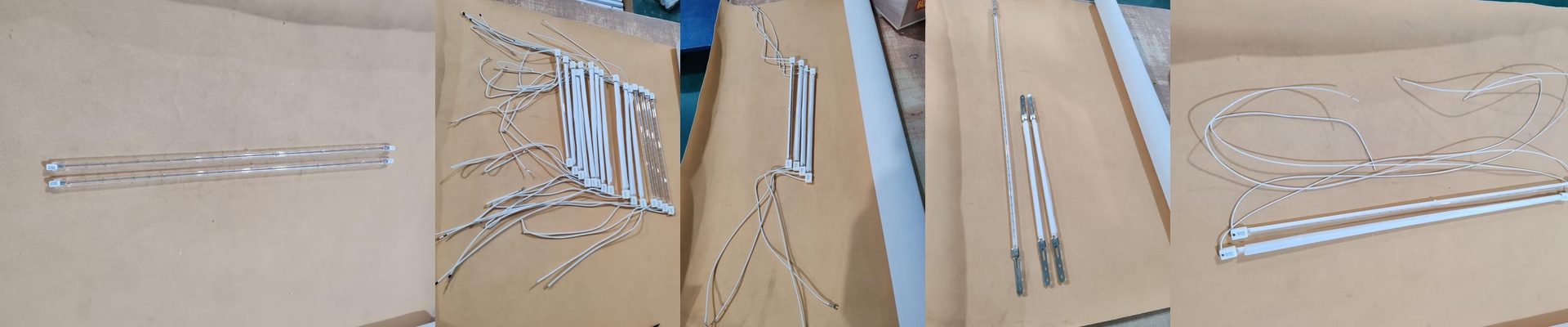
Let’s be honest: buying industrial heaters through three different trading companies is just paying for someone else’s office rent. It adds cost, but it doesn’t add a single bit of value to the hardware. We do things differently. We run our own production lines. That means you’re talking directly to the people on the factory floor. You get the exact specs you need, and you pay the actual cost of making the thing. Simple as that.
How the heat actually works
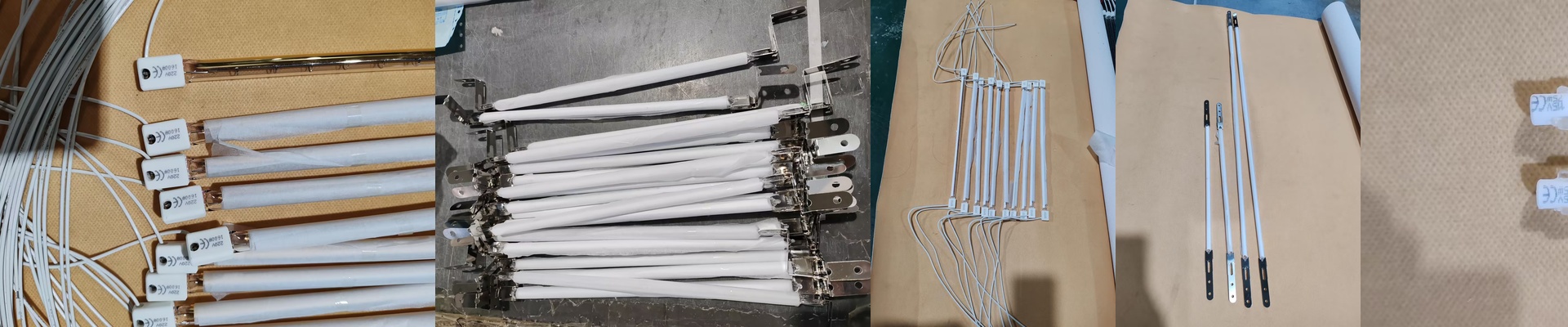
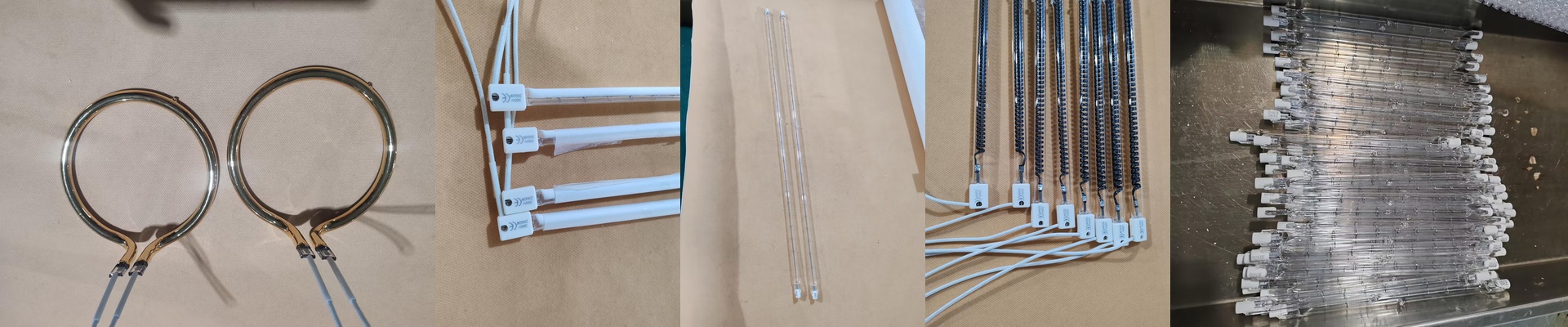
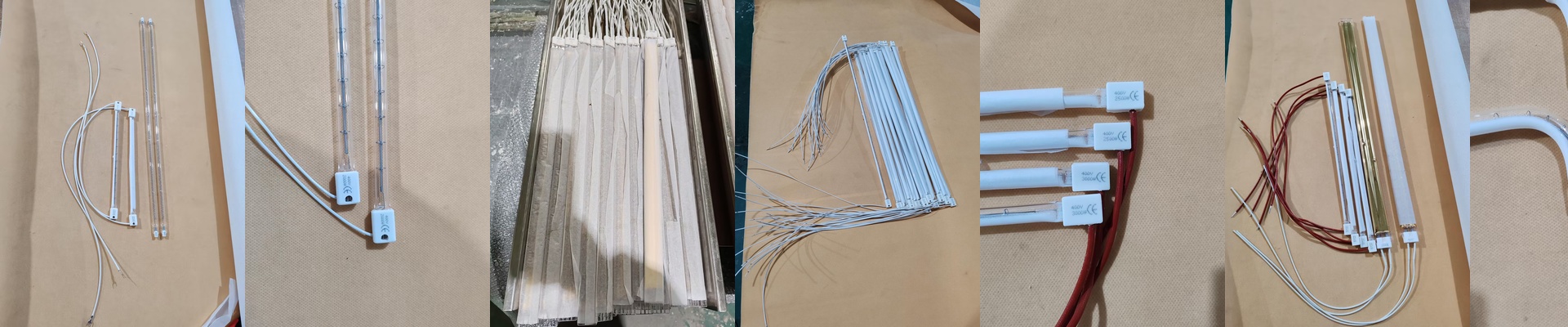
Quartz tubes are great because they let infrared radiation pass right through. Depending on what you’re heating, we can set these up for short-wave or medium-wave output. If you’re doing PET blowing or plastic welding, you probably need a fast ramp-up. That’s where the high-wattage setups come in. Pushing 2000W+ into a small space creates an intense heat density. It’s powerful. It’s fast. And it gets the job done. We also make sure the voltage matches your plant’s grid. For example, if we go with a 400V setup instead of 220V, you’re drawing less current for the same amount of power. The upside? You can use thinner wiring without worrying about everything burning out.
The nitty-gritty: Design and Fits
We stick with standard R7s or SK15 connectors. Why? Because they just work. They’re drop-in replacements for most industrial rigs, so you aren’t spending hours figuring out how to plug them in. And if you’re worried about scorching the surface of your material, we can coat the tubes. This shifts the emission spectrum, helping the heat soak deeper into the material rather than just searing the top layer.
A few things to keep in mind
Here’s the catch: high heat density is a bit of a double-edged sword. Sure, a high-wattage lamp slashes your cycle times, but it puts a lot of stress on your reflectors. If your reflectors are dirty or pitted, you’re basically throwing away 20-30% of your heat. It’s a waste. To get the most out of the tube, you’ve got to keep the housing clean. We provide the heavy-duty hardware, but the cooling and reflection side is on you. That’s the secret to making your filaments actually last.