Stop Guessing Your IR Lamp Stock
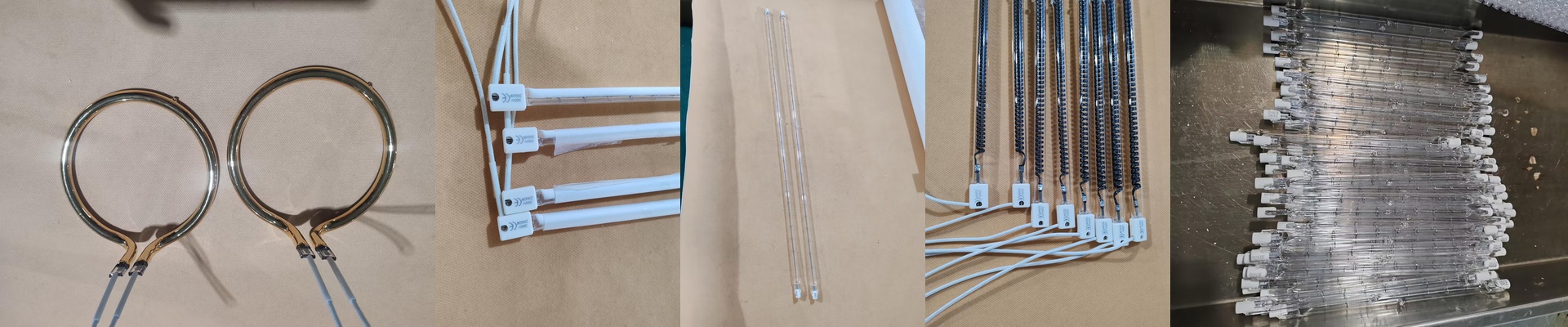
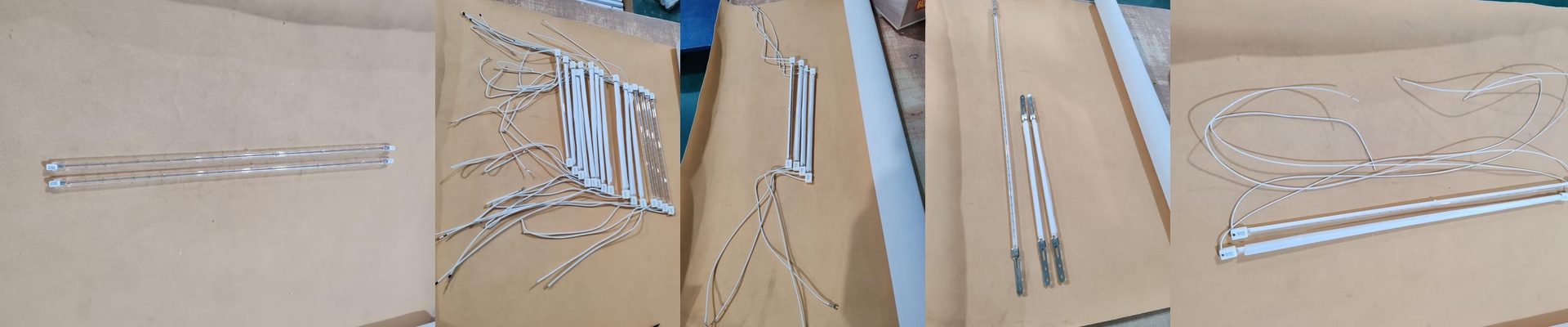
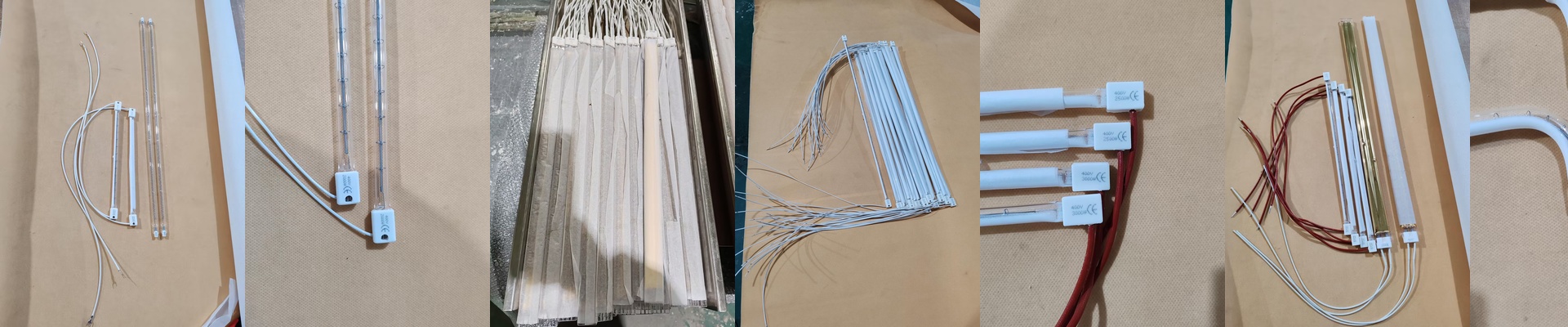
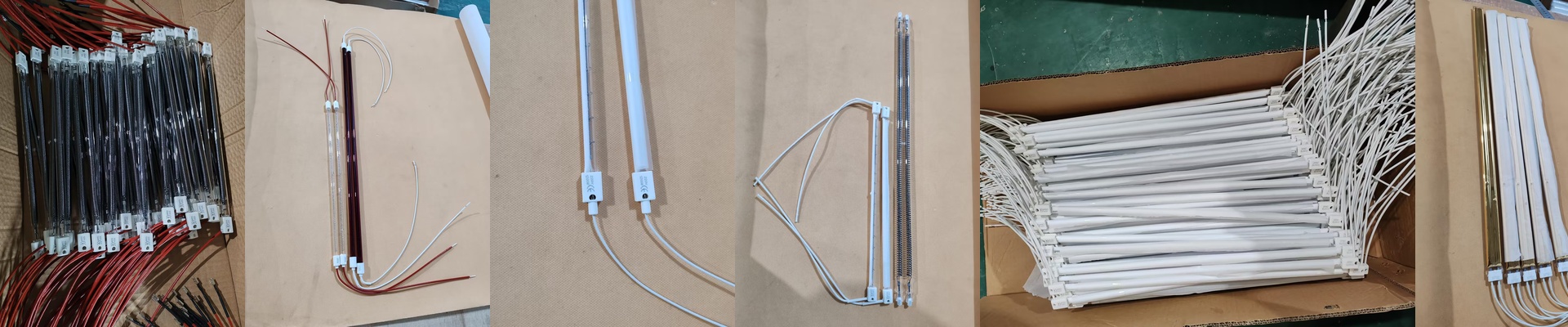
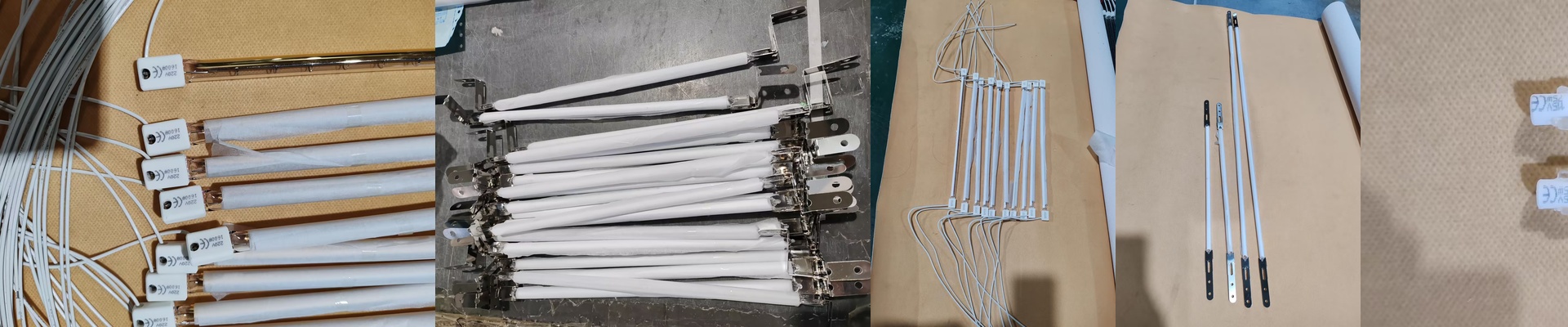
If you’re in PET blowing or vacuum forming, you know the drill. Heat is everything. One quartz lamp pops mid-shift and suddenly your preform temperature tanks. Next thing you know, you’re staring at wall-thinning or incomplete blows. It’s a nightmare. Most plant managers try to fix this by hoarding lamps. But let’s be honest: storing a mountain of fragile glass tubes is just asking for trouble. It’s a waste of money and a huge breakage risk. Here’s how we handle it. Instead of making you buy a year’s worth of stock just to get a decent price, we use tiered pricing. You can order in smaller batches that actually match how fast you burn through them. You get the bulk discount, but you don’t have to turn your warehouse into a glass museum. Getting the heat right For PET work, we stick with short-wave infrared emitters. They’re built to punch through the plastic fast. We use high-purity quartz because it can handle the shock of rapid heating and cooling without cracking. But a quick tip on wattage: more power means you hit your target temperature faster, sure. But it also puts a lot more stress on your power supply and cooling fans. If your airflow isn’t dialed in, those filaments are going to burn out way sooner than they should. Swapping them out Our lamps are designed to be simple drop-in replacements. Whether you’re running R7s or SK15 connectors, the fit is snug. That’s important. A loose fit leads to arcing, and nobody wants to deal with melted sockets. I’d suggest doing a quick audit of your lamp life every few months. If you notice one specific zone in your oven is eating through lamps faster than the others, don’t blame the bulb. It’s usually a sign that your airflow is off or your PID controller is acting up. Once you find those high-wear spots, just tweak your ordering frequency to keep those specific zones covered. Simple as that.