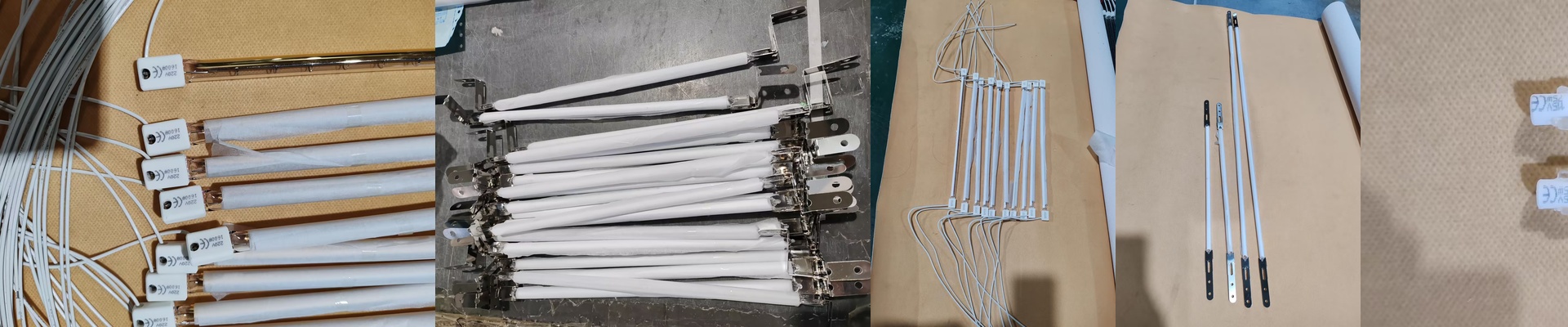
Stop Trusting Datasheets: Let’s Actually Test Your Quartz Heaters
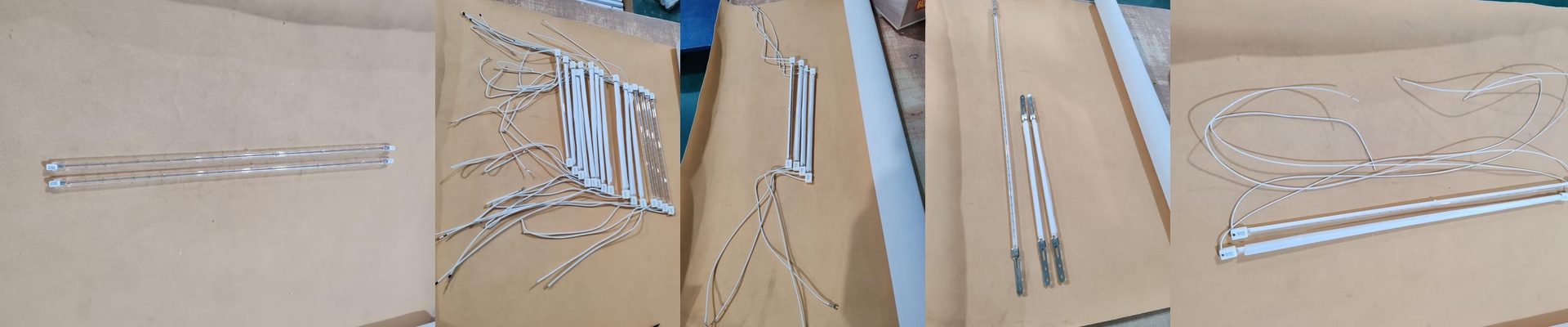
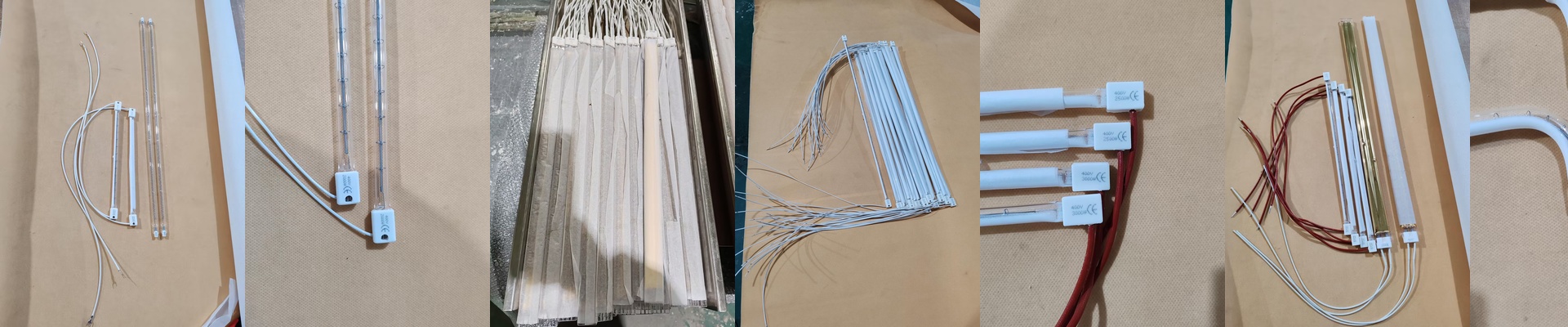
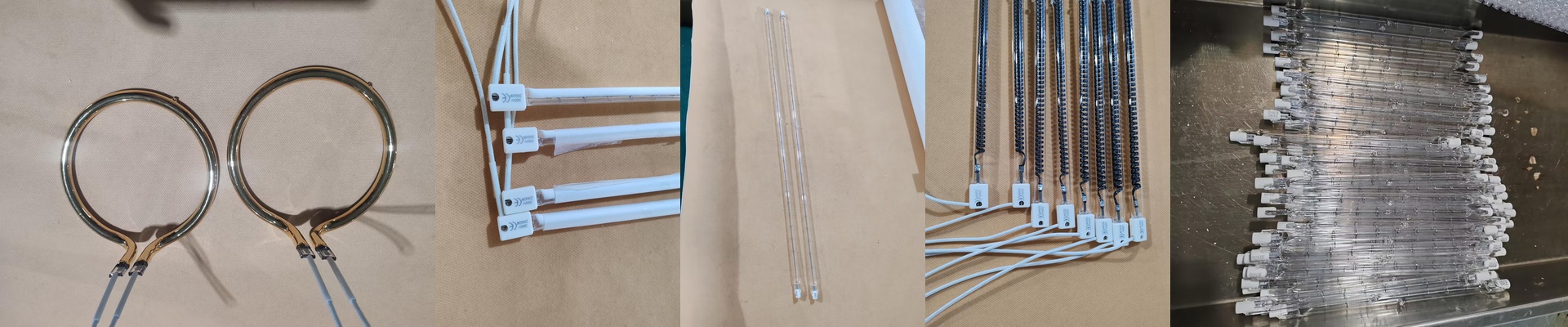
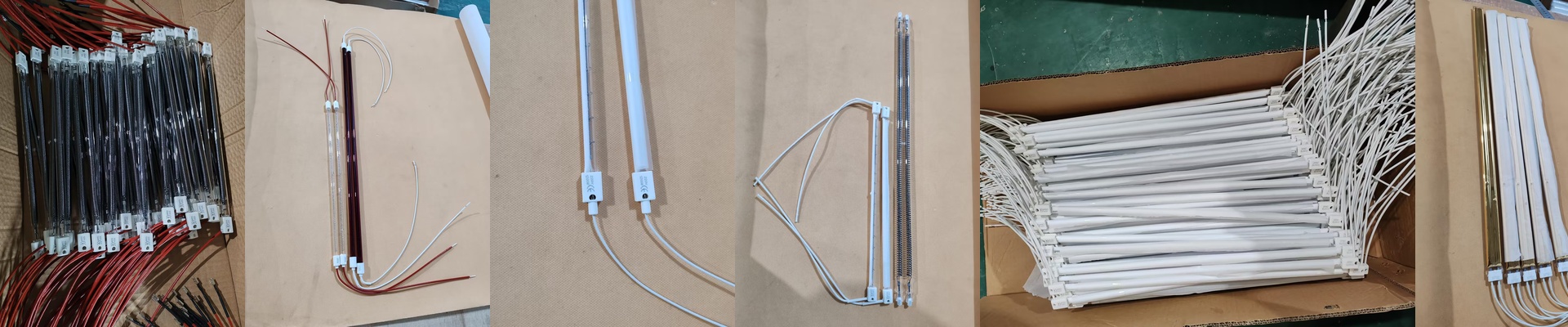
We run a quartz heater factory in China, and we spend our days obsessing over high-wattage infrared emitters. If there is one thing I’ve learned, it’s this: a datasheet is just a piece of paper. It doesn’t tell you how a tube will actually behave when it’s shoved into a noisy production line and pushed to the limit. You need to see it in action. Here is how we handle things. I’m a big believer in “test first, buy later.” Why? Because I don’t want you guessing. We’ll send you sample units. Plug them in. Run them side-by-side with the lamps you’re using right now. Watch the ramp-up time. Feel the surface temperature. If our tubes aren’t hitting your marks or the heat isn’t spreading the way you need it to, then we aren’t the right fit. Simple as that. The trade-offs you should know about. Designing these things is a bit of a balancing act. If you want massive heat from a short tube, you’re increasing the heat flux. That’s a lot of pressure on the electrodes. If your voltage jumps around or the lamp isn’t sitting perfectly in its housing, you’re going to see the lifespan drop. It’s just physics. Then there’s the quartz itself. We pick specific grades to keep things from cracking. If the glass is too thin, a quick power cycle can snap it. Too thick? And it takes forever to react. We aim for that sweet spot where it’s tough but still fast. Getting them installed without the headaches. When you’re wiring these in, please—double-check your connectors. A loose fit at the terminal is a nightmare. It leads to arcing, and then you’ve got a burnt-out lamp before the shift is even over. Our elements are built to be drop-in replacements, which makes life easier. But keep an eye on your cooling fans. If you’re jumping to a higher-wattage model, those fans need to be able to move that extra ambient heat out of there, or you’re just asking for trouble. Put us to the test. Seriously. Take our tubes and put them in the most brutal, demanding section of your line. Compare the cycle times. The data will tell you everything you need to know. If the numbers don’t make sense for your setup, you’ll know right away.