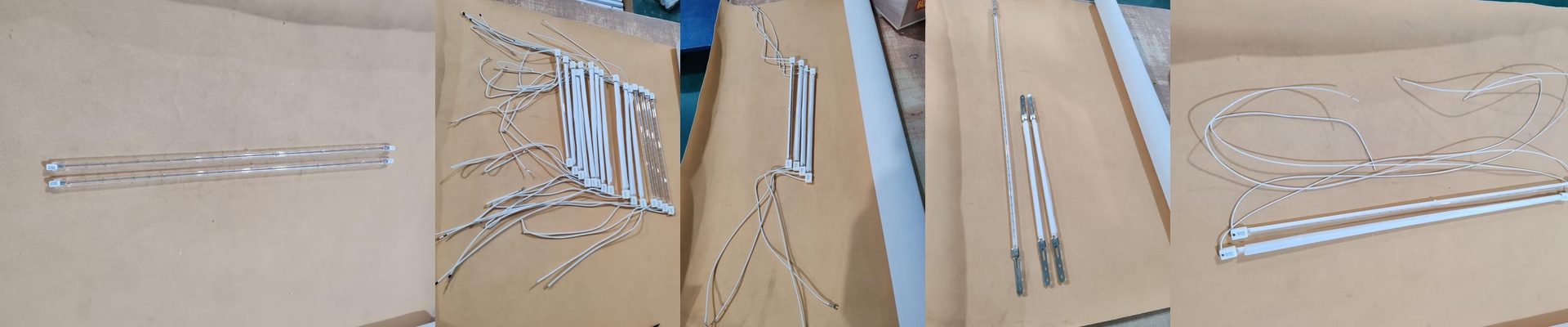
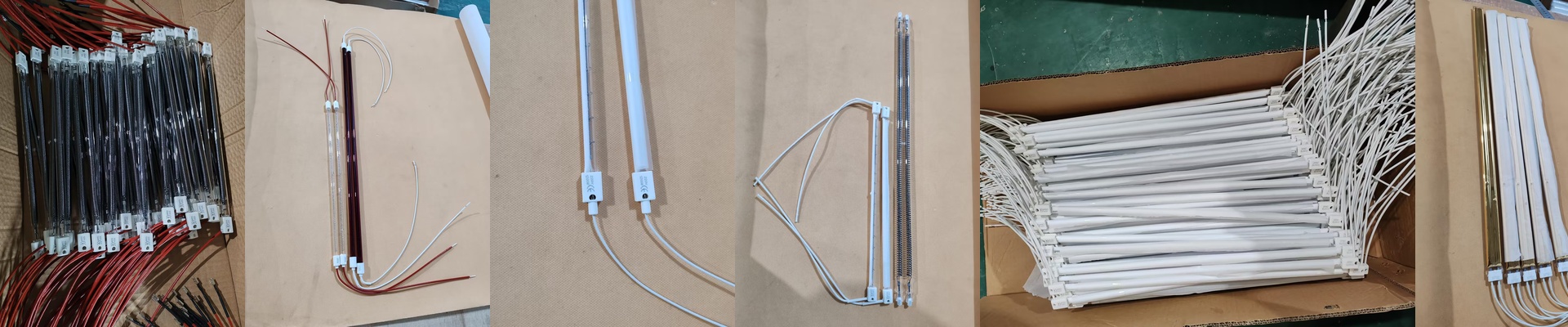
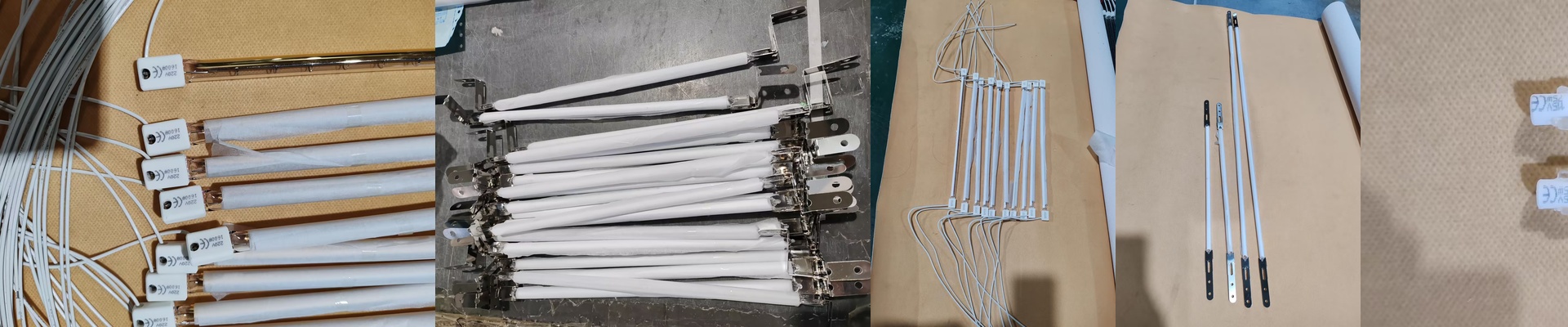
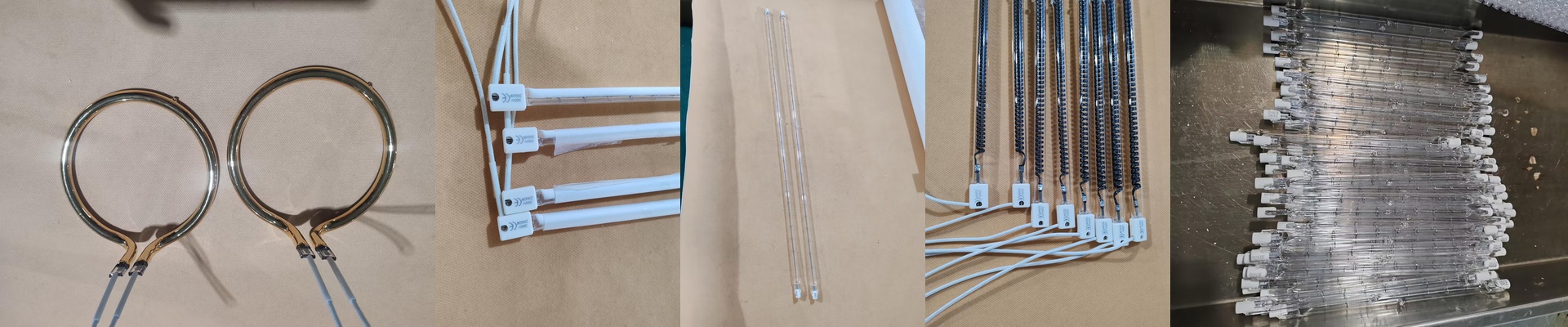
Getting the Most Out of Your Quartz Heaters Without Overpaying
Let’s be honest: when people hear “cost-effective,” they usually think “cheap.” But in the world of quartz heating, cheap is a dangerous word. It usually means the quartz is impure or the measurements are off. That’s a recipe for a headache. We don’t save money by cutting corners on the tech. We do it by cleaning up our supply chain and making our factory run smoother. You get the quality you need to keep your line moving, just without the fluff.
Why the Small Stuff Matters
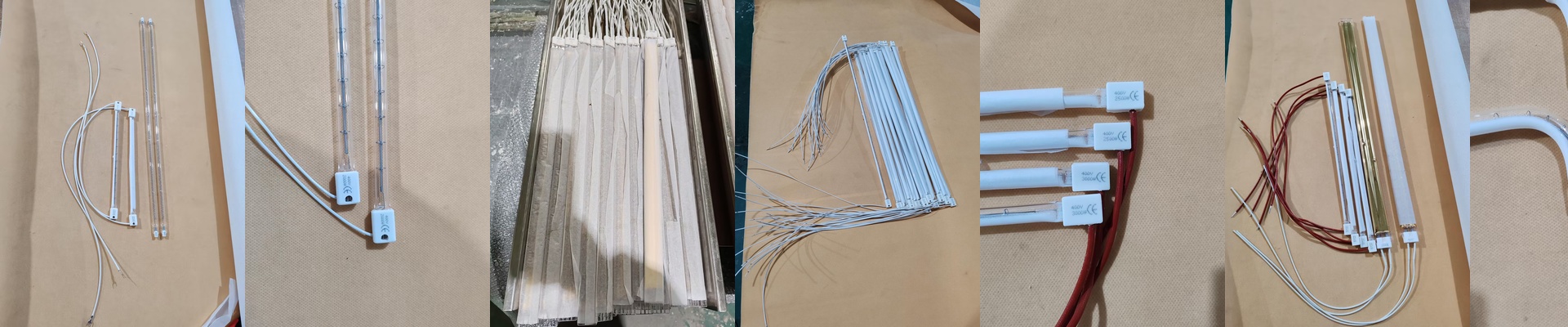
To get the same punch as the big-name brands, you have to obsess over two things: the purity of the fused quartz and how the tungsten filament is wound. If the quartz isn’t pure, it clouds up. Simple as that. Once it clouds, your infrared transmission drops, and you’re losing heat. We also keep a very tight grip on voltage and wattage. Whether you’re running a 230V or 400V system, every single tube in your bank should hit the same heat density. No cold spots. No surprises.
Plugging In and Playing
Nobody wants to spend their weekend rewiring a whole machine. It’s a nightmare. That’s why we stick to standard connectors like R7s and SK15. Our lamps just slide right in. If you’ve got a weird or specialized setup, we can add coatings to shift the emission spectrum. This lets you heat exactly what you want to heat, without melting your chassis in the process.
The Catch with High Power
Here is the thing: high-wattage density is great, but it’s a bit of a double-edged sword. Sure, a high-power tube kills your pre-heat time and gets you moving faster. But it also puts way more stress on your electrical contacts. If your sockets are old or your wiring is too thin, you’re going to see burn-out at the terminals. Before you go for the high-density option, just double-check that your power supply and cooling fans can actually handle the heat. We’ve managed to strip away the massive brand markups and the global marketing budgets. You get the same thermal output and the same lifespan as the “famous” guys. You just pay for the heater, not the logo.