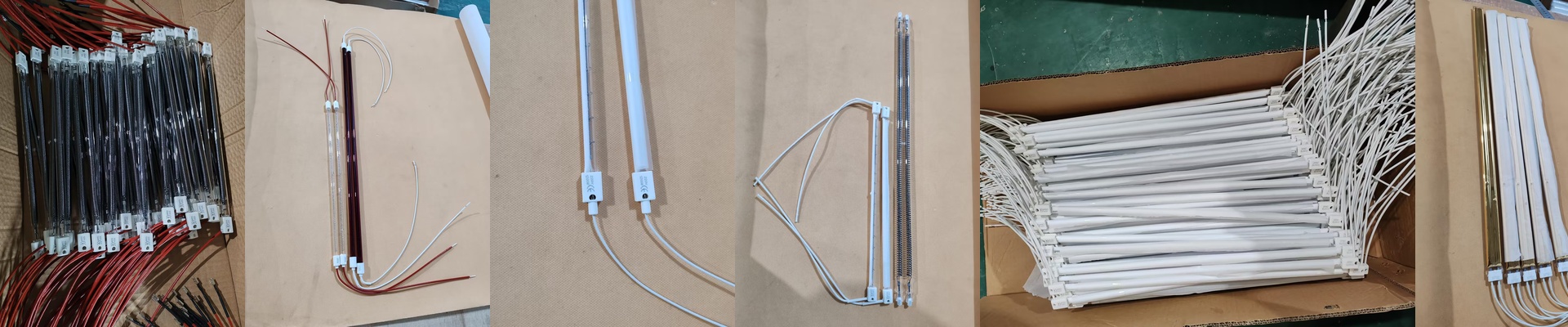
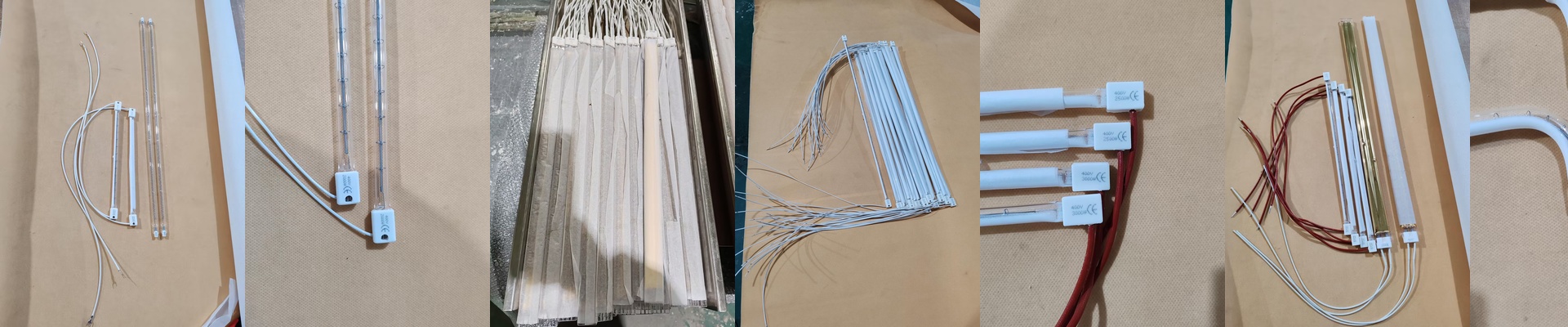
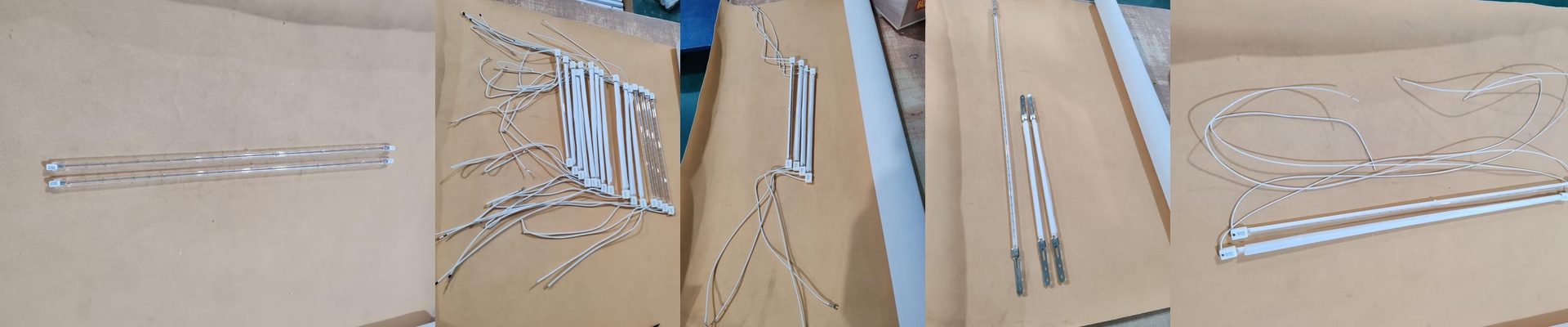
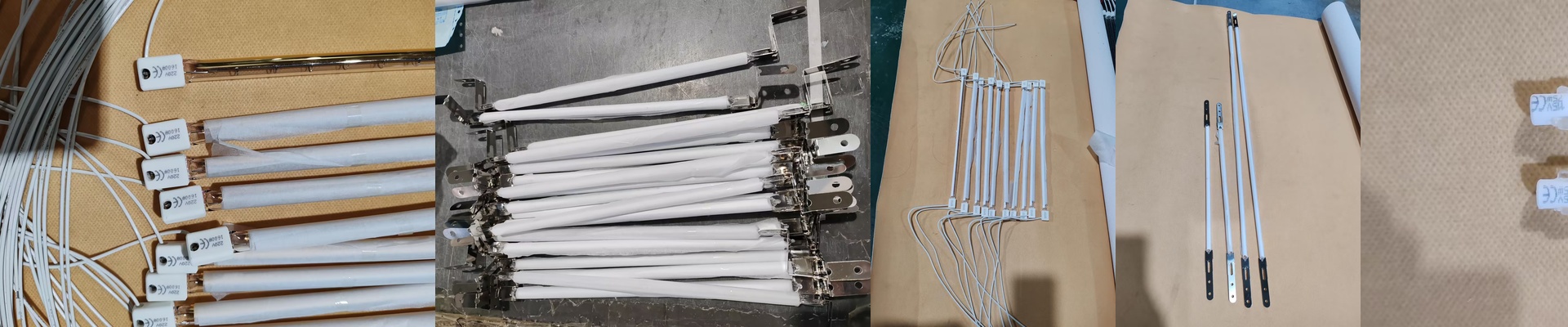
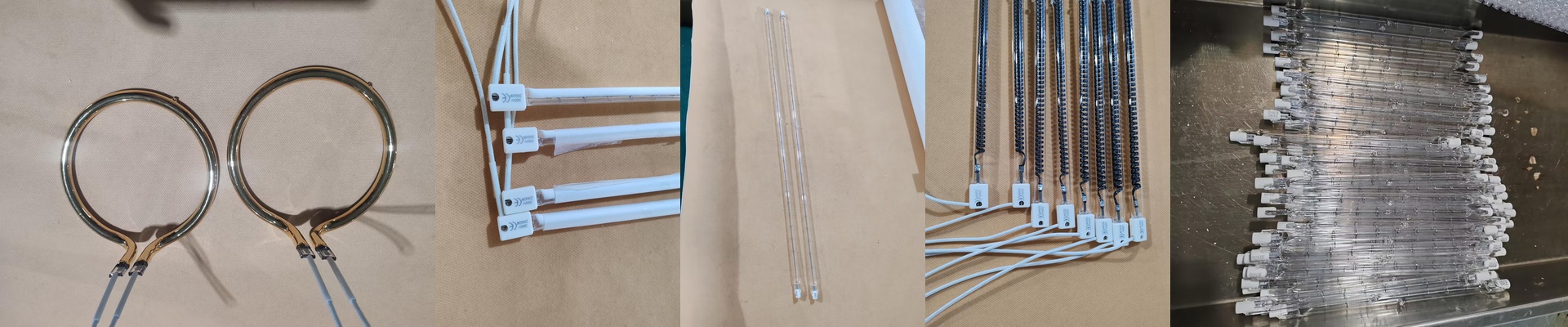
Put Our Quartz Heaters to the Test (On Your Own Line)
Look, we build these quartz heaters to take a beating. But in the industrial world, a datasheet is just a piece of paper. It doesn’t tell you how the heater actually behaves when it’s bolted into your specific machine. That’s why we don’t want you to just take our word for it. We’ll let you try them out first. Why? Because things like heat spread and how fast you hit your target temperature change depending on your setup.
The Real-World Test
When you put our lamps side-by-side with what you’re using now, you’re really looking at two things: heat density and spectral output. We build our tubes to hit a very specific wattage-per-centimeter. If you’re running a PET blowing line or a fast curing oven, even a tiny dip in quartz purity or a voltage hiccup can leave you with annoying cold spots. So, just swap our units into your current rigs. Measure the surface temp. Watch the cycle time. See the difference for yourself.
The Honest Truth About Engineering
Here’s the thing: high-output lamps put out a massive amount of IR energy, but they don’t exist in a vacuum. If you go for a high-wattage tube to speed things up, you’ve got to make sure your cooling fans and electrical panels can actually handle the extra load. If you try to “overdrive” a lamp just to hit a temperature goal, you’re going to kill the filament way faster than you should. We’ll give you the exact voltage and current draws. That way, you can wire everything up without blowing a fuse or frying your equipment.
No Risk, No Headache
Most shops hate switching suppliers because the last thing anyone wants is unplanned downtime. We get that. So we make it simple. Run a pilot test on one single station. If our lamps don’t beat—or at least match—your current gear in the real world, you don’t buy them. No sales pitch. No fluff. Just a straight-up comparison of heat and durability.