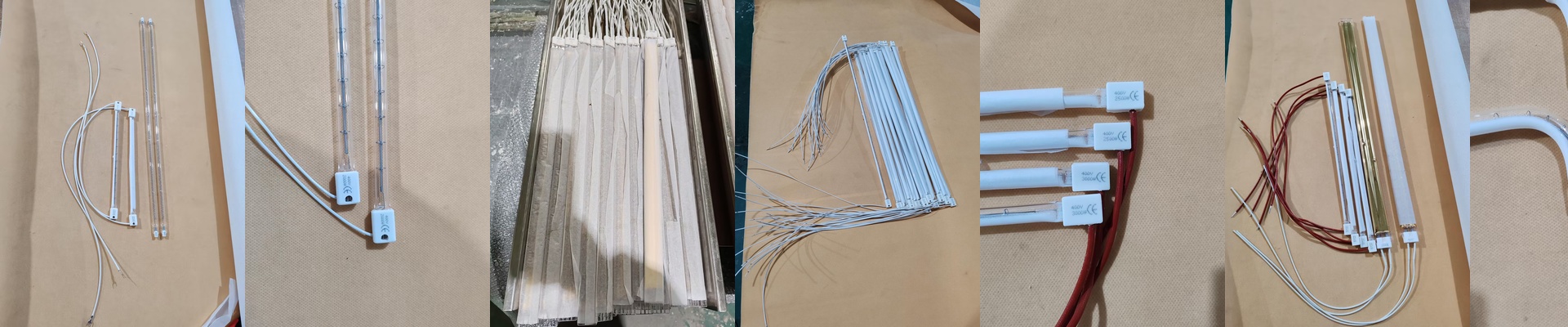
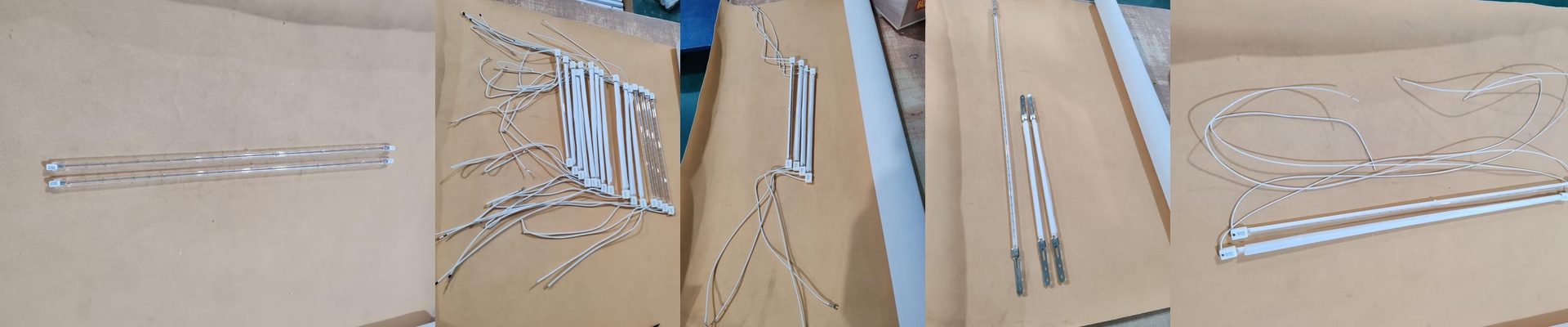
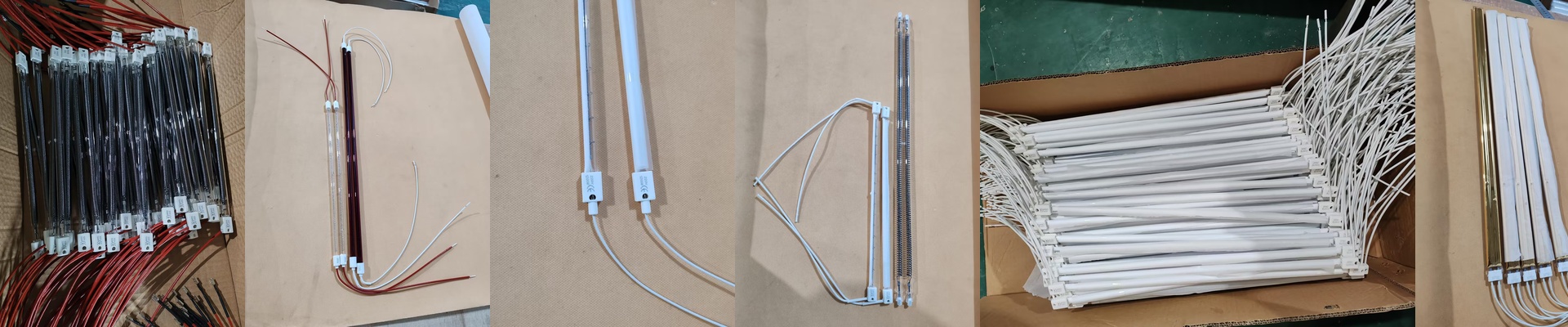
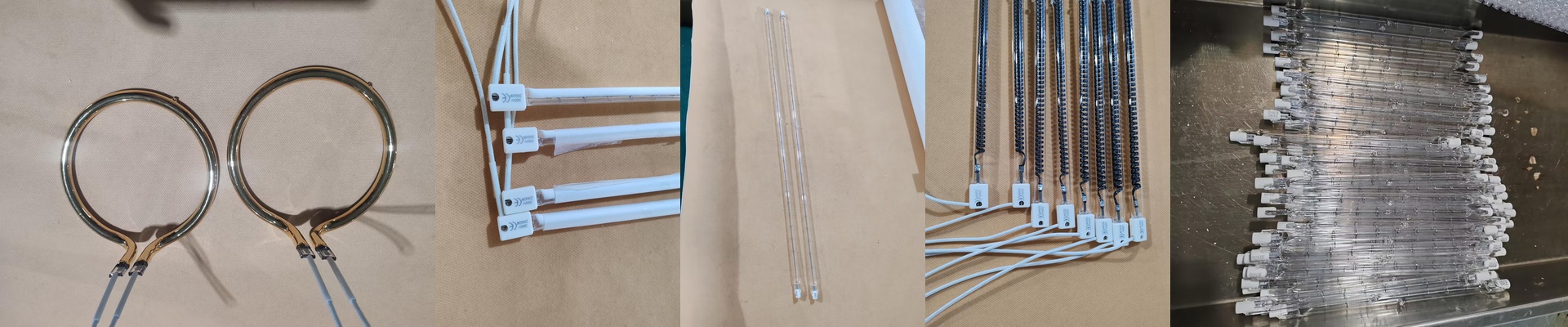
Could swapping your quartz elements actually shave 20% off your power bill?
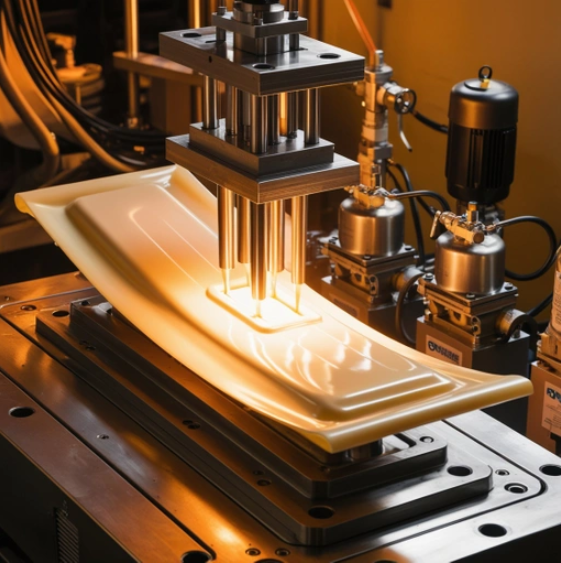
If you’re running old plastic processing ovens, you probably already know they’re energy hogs. Those legacy drying and curing tunnels usually have heating elements that are just… tired. They leak heat everywhere, and most of that power never even touches your product. It’s basically like trying to heat a whole house just to warm up a single cup of coffee.
How the switch actually works
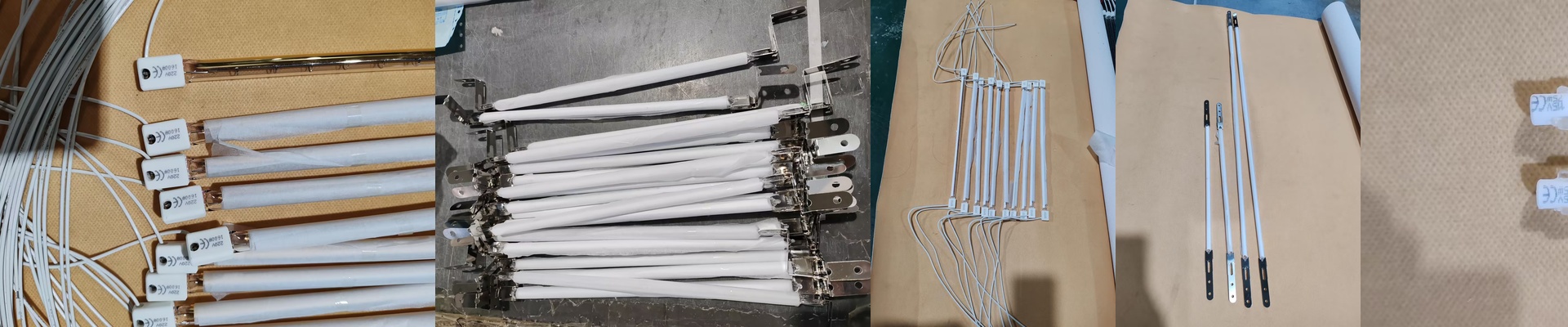
When you swap out those old resistive heaters for high-performance quartz infrared (IR) elements, everything changes. Instead of fighting to heat up all the air inside the tunnel, quartz lamps send radiation straight into the plastic. It’s a direct hit. The real trick is picking elements that match the specific polymer you’re working with. When you get that right, you don’t have to wait forever for the oven to warm up, and you don’t need to keep the entire cavity screaming hot. That’s where those 20% savings actually come from. It’s just smarter physics.
A couple of things to watch out for
Now, you can’t just grab any lamp and call it a day. High-wattage quartz tubes pack a punch. If your reflectors are old, pitted, or just dirty, you’re basically throwing half your energy at the oven walls.**Clean them. Or better yet, replace them.**You want that heat pushed toward the product, not wasted on the machinery. Also, take a quick look at your wiring. These high-output elements can pull a lot of current when they first kick on. Make sure your breakers and contactors can handle the load, or you might find yourself staring at a fried control panel.
The bottom line on the money
The best part? This isn’t some massive construction project. You don’t have to rip out your entire production line. It’s a drop-in replacement. You swap the elements, tweak your PID controllers, and you’ll see the power meter drop almost immediately. Because the payback happens so fast, it’s an easy win for anyone trying to hit “green” targets without spending a fortune.